Three letters on your purchase order decide who eats the loss when a container of pipe goes over the side in a storm, sits at the port racking up demurrage, or gets held by customs for a paperwork gap. FOB, CIF and DDP are not just pricing conventions — they are risk contracts. Choose the wrong one and you can be legally responsible for goods you never controlled, or hand a supplier leverage over your landed cost that you can never claw back. This guide is written for importers and distributors buying plumbing and heating pipe by the container, and it takes a position on which term actually protects you.
Key takeaways
- Risk and cost are two different lines. CIF looks safer than FOB because the seller “pays insurance,” but under Incoterms 2020 CIF risk still transfers to you at the origin port — the same point as FOB.
- CIF’s default insurance is the weakest tier. The seller only has to provide Institute Cargo Clauses (C), a named-perils policy that excludes theft, water damage and rough handling.
- DDP moves all risk to the seller — but you lose visibility and control of your own customs clearance, duty position and delivery timing.
- For most container pipe buyers, FOB with your own freight and door-to-door cargo insurance is the controllable choice; DDP suits low-volume test orders and buyers with no import infrastructure.
- US duty on plastic pipe (HTS 3917) is 3.1%; plastic fittings (3917.40) 5.3%; brass fittings (7412.20) 3% — real numbers that change which term is cheapest all-in.
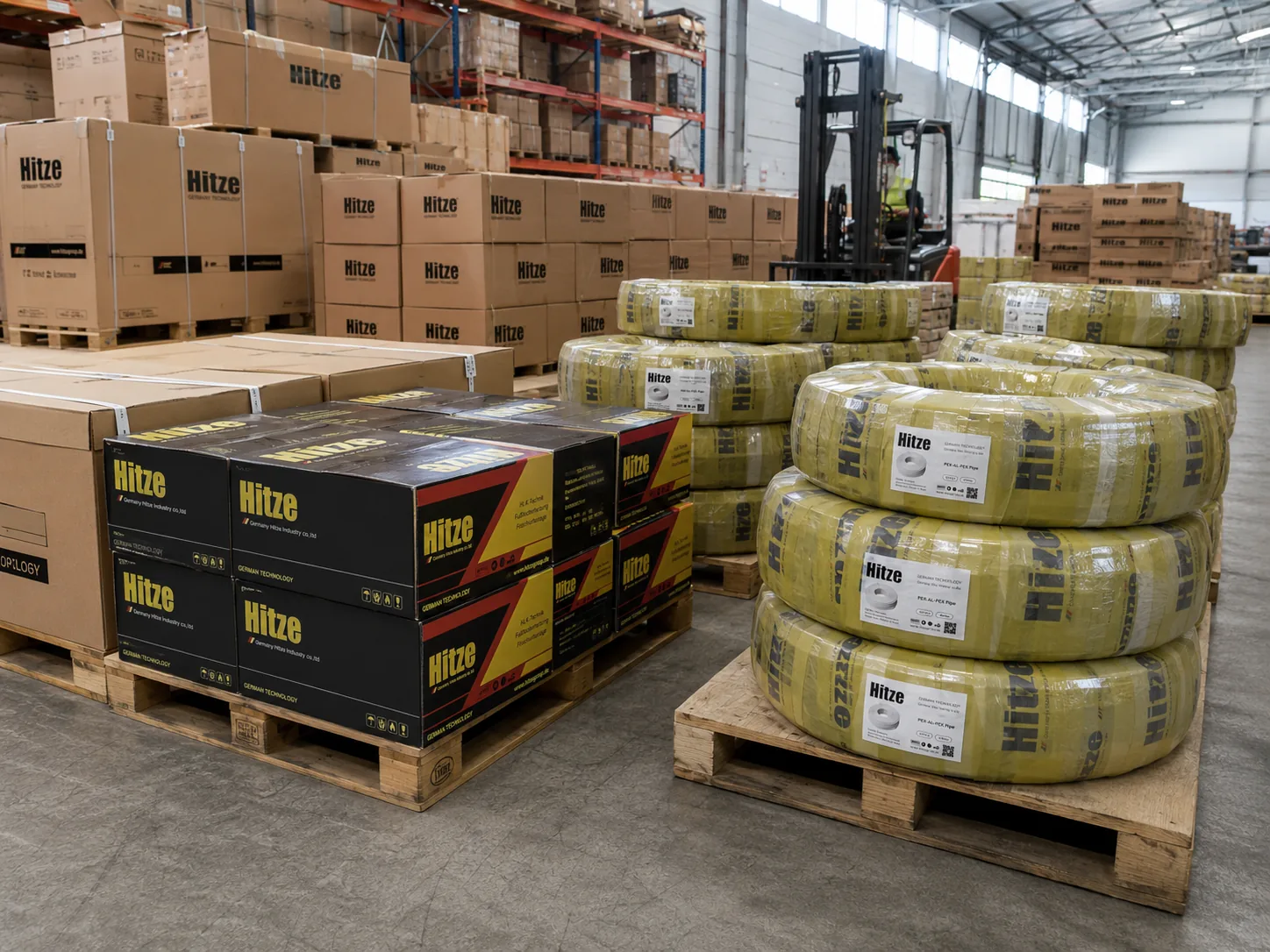
The one thing every trade term actually defines: where risk transfers
Incoterms 2020 — the official rules published by the International Chamber of Commerce — do one job above all others: for each of the 11 rules, they fix the exact point at which the risk of loss or damage to the goods passes from seller to buyer. The US Department of Commerce puts it plainly: “Each rule also specifies when the risk of loss or damage to the goods being exported pass from the seller to the buyer.” Everything else — who books the vessel, who pays freight, who clears customs — is layered on top of that single risk line.
This is where importers lose money on assumptions. A term that shifts cost to the seller does not automatically shift risk. The classic trap is CIF: because the seller pays freight and buys insurance, buyers assume the seller carries the cargo until it lands. They don’t. Under CIF the seller’s risk ends the moment the pipe is loaded on board at origin — identical to FOB. What the seller adds is a freight contract and a minimum insurance policy, nothing more. If your container is damaged mid-ocean under CIF, it is your loss to claim, on a policy you did not choose.
So the honest way to read these three terms is: FOB and CIF hand you the risk at the origin port and differ only in who arranges the sea leg; DDP keeps the risk with the seller all the way to your door. Once you see it that way, the decision stops being about which price looks lowest and starts being about which risks you are equipped to carry, insure and control.
FOB, CIF and DDP side by side — who pays, who insures, who’s liable
Here is the practical breakdown for a container of pipe moving from an Asian or European origin port to your warehouse. Read the “risk transfers” column first — it is the one that determines who files the insurance claim when something goes wrong.
| Responsibility | FOB (Free On Board) | CIF (Cost, Insurance, Freight) | DDP (Delivered Duty Paid) |
|---|---|---|---|
| Risk transfers to buyer | Loaded on board at origin port | Loaded on board at origin port (same as FOB) | At your named delivery place, duty paid |
| Main sea freight | Buyer books & pays | Seller books & pays | Seller books & pays |
| Marine cargo insurance | Buyer’s choice (recommended) | Seller must provide — minimum ICC (C) | Seller’s problem (their risk) |
| Import customs clearance | Buyer | Buyer | Seller |
| Import duty & taxes | Buyer | Buyer | Seller |
| Cost visibility for buyer | Highest — you see every line | Medium — freight bundled into price | Lowest — one number, no breakdown |
Two rows deserve a hard look. First, “insurance” under CIF says minimum ICC (C). That is the lowest tier of marine cover under Incoterms 2020 — a named-perils policy covering events like fire, sinking and collision, but excluding theft, water ingress that isn’t from a listed peril, and general rough handling. Pipe coils are bulky, light and easy to crush; the losses you actually see (crushed cartons, water-stained labels, pilfered fittings) are frequently the ones ICC (C) doesn’t pay. If you want all-risks cover, you buy it yourself — which is exactly what FOB lets you do from the start.
Second, DDP’s clean “seller handles everything” looks irresistible until you remember that the importer of record is still, in most jurisdictions, tied to the receiving company. When a foreign seller clears goods into your country under DDP, you can lose control of the customs entry, the tariff classification used, and any duty-drawback or preference claim you were entitled to. If the classification is wrong, the penalty exposure can still land on you.
The CIF insurance trap, in one worked scenario
Picture a 40-foot container of PEX and multilayer coils bought CIF to a US East Coast port. Invoice value, say, in the mid five figures. Mid-Atlantic, the vessel hits heavy weather; the container shifts, seawater gets past a door seal, and a third of the coils arrive with water-stained cartons and corroded fitting boxes. You assumed “CIF = seller insured it” and relax. Then the claim goes in.
Because risk transferred to you at the origin port, this is your loss to claim, not the seller’s. And because CIF only obliges the seller to carry Institute Cargo Clauses (C), water damage from a non-listed peril may simply not be covered. You are now arguing with an insurer you never chose, on a policy sized to protect the seller’s minimum obligation, for goods that are legally yours. Compare that to FOB: you book door-to-door cover on Institute Cargo Clauses (A) all-risks terms, name your own broker, and the same claim is paid. The premium difference on a container of pipe is small money against a five-figure loss. This single scenario is why experienced importers treat CIF’s “free insurance” as a warning label, not a feature.
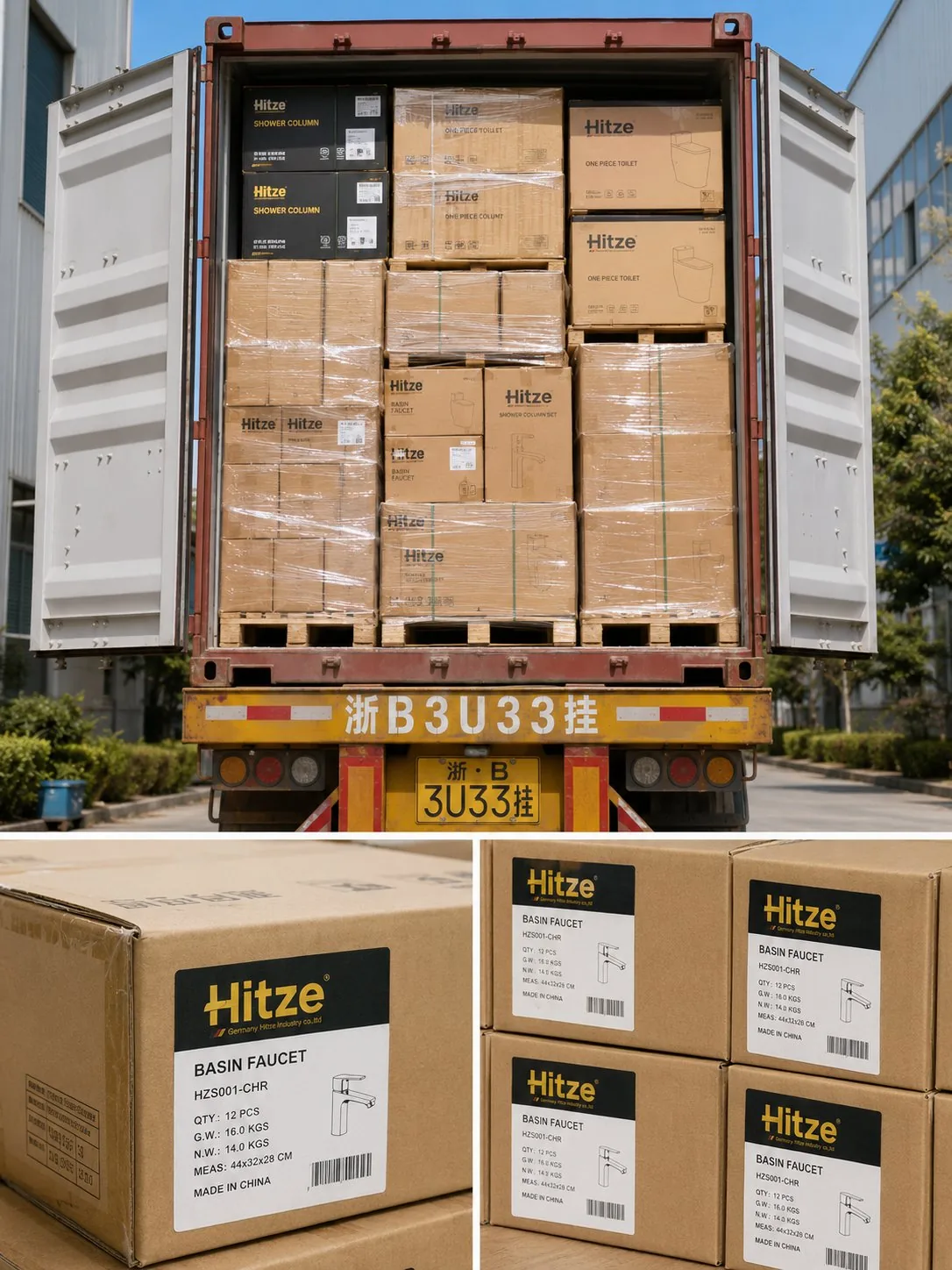
Landed cost: the duty numbers that decide which term is actually cheapest
Trade terms interact with tariffs, and importers routinely compare a CIF or DDP quote against an FOB quote without normalising for duty. Get the classification right and the comparison becomes honest. For US imports, plastic tubes and pipes — PEX, PE-RT, PP-R, HDPE — sit under HS heading 3917, and the current general (MFN) duty on plastic tubes and pipes (subheadings 3917.21 through 3917.39) is 3.1%. Plastic pipe fittings under 3917.40.00 carry 5.3%. Brass and copper-alloy fittings under 7412.20.00 carry 3%. These are the USITC Harmonized Tariff Schedule column-1 rates and they are free under several US free-trade-agreement programs — so country of origin, not just the trade term, moves your landed cost.
Why this matters term-by-term: under FOB and CIF, you are the importer of record, so you control the classification and can legitimately claim any preference your origin qualifies for. Under DDP, the seller drives the entry — and if they classify a mixed load of pipe and fittings at the higher fitting rate to keep their paperwork simple, you may quietly overpay duty inside a “one clean number” quote you can’t audit. Always ask a DDP seller to itemise the HS codes and duty they are declaring on your behalf; a term that hides the duty line is hiding a cost you own.
| Product | HTS heading | US general (MFN) duty |
|---|---|---|
| Plastic pipe (PEX, PE-RT, PP-R, HDPE) | 3917.21–3917.39 | 3.1% |
| Plastic pipe fittings | 3917.40.00 | 5.3% |
| Brass / copper-alloy fittings | 7412.20.00 | 3% |
Rates shown are current US column-1 general rates and can be superseded by additional or special tariffs; always confirm the live figure and any special duties for your origin with your customs broker before you commit an order. The point here is comparative, not a landed-cost quote: a duty gap of a couple of percentage points between pipe and fittings is exactly the kind of detail a DDP “all-in” number can obscure, and exactly what FOB visibility protects.
Best for / not for: matching the term to your operation
There is no universally “safest” term — only the one that matches your volume, your import capability and your appetite to manage the sea leg. Here is where each earns its place.
FOB is best for importers and distributors moving regular container volume who have (or can appoint) a freight forwarder and a cargo insurer. You get full cost visibility, you choose all-risks cover, you control your own customs entry and duty position, and you can consolidate freight across suppliers. FOB is not for a first-time buyer with no forwarder relationship and no appetite to manage a vessel booking, demurrage or a claims process — the control it gives you is only valuable if you can operate it.
CIF is best for buyers who want the seller to handle the freight booking but still intend to clear customs themselves — and who understand they must top up the insurance to all-risks the moment goods load. CIF is not for anyone who reads “insurance included” as “I’m covered”; on the weak ICC (C) default, that assumption is where uncovered losses live.
DDP is best for low-volume or sample orders, new buyers with no import infrastructure, or trials where you want a single delivered price and zero customs involvement. DDP is not for ongoing high-volume programs where you need to audit duty, claim origin preferences, or keep control of your import-of-record position — that control is precisely what DDP trades away.
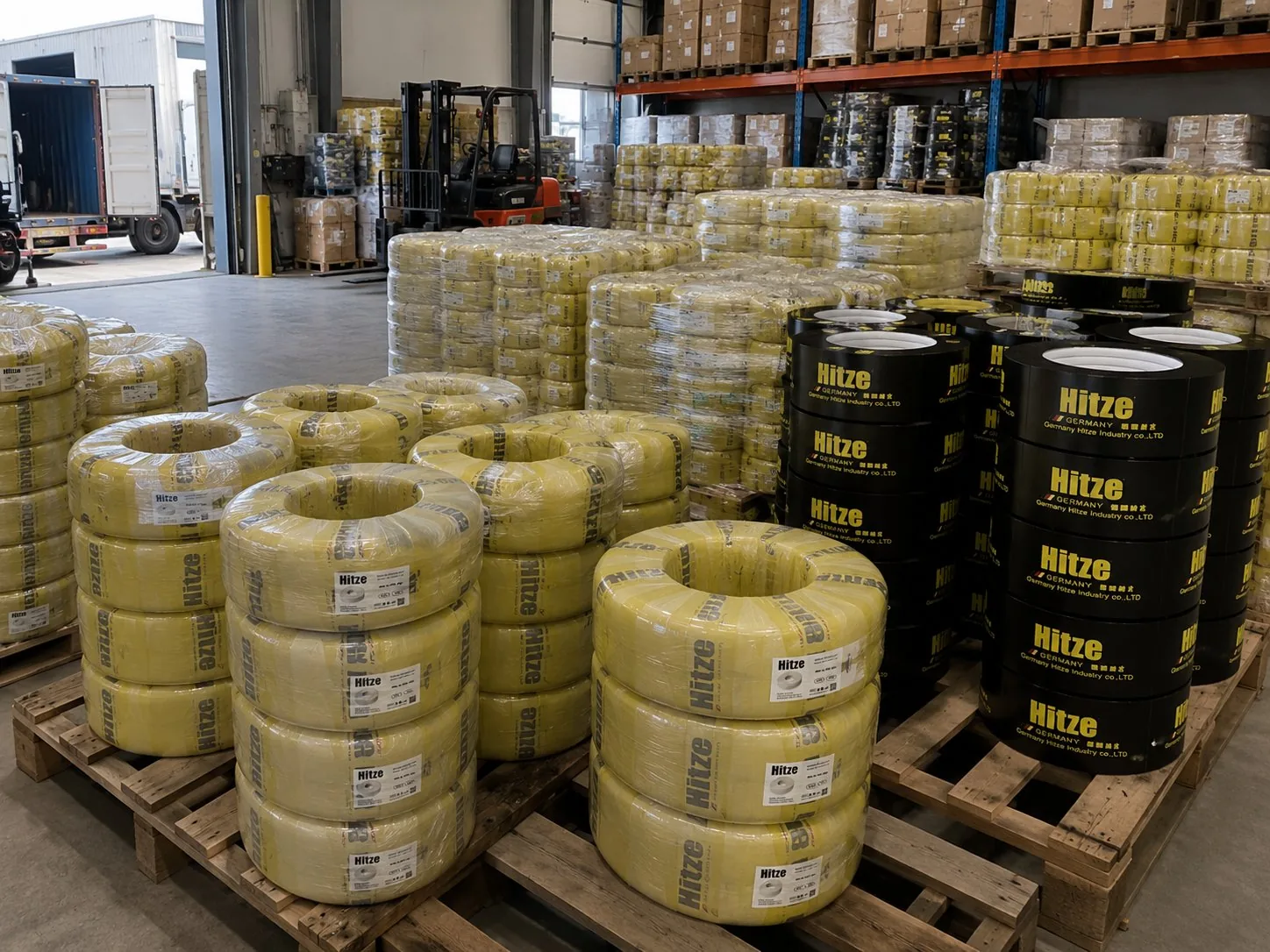
What Hitze checks before your container leaves — and why it protects your term
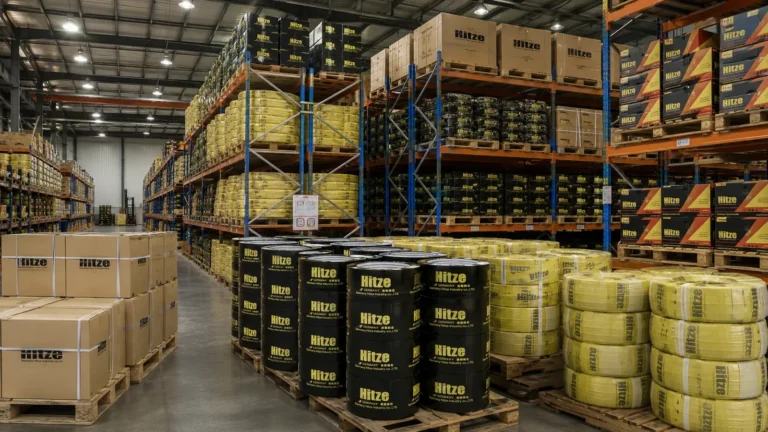
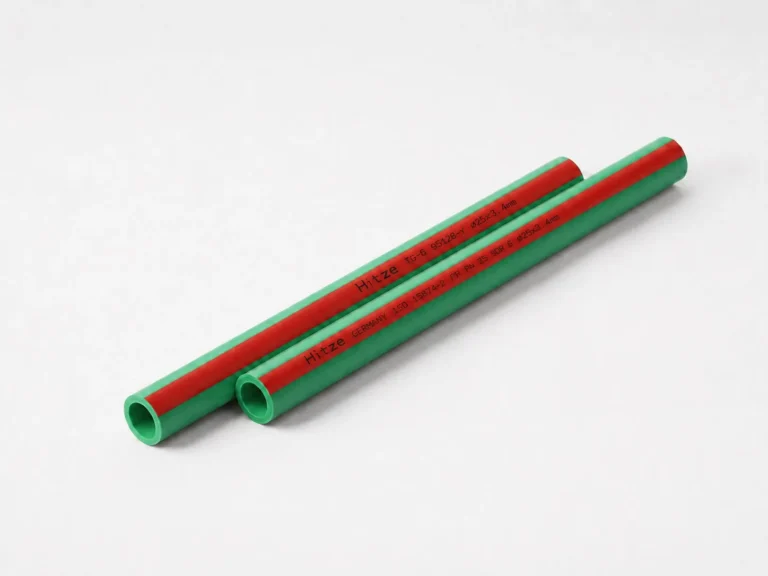
A trade term only holds up if the paperwork and the goods behind it are clean. As a German brand of engineered piping systems — founded in 1974, running a 120,000 m² production base with 1,000+ employees and exporting to 118+ countries — Hitze treats the export documentation as part of the product, not an afterthought. On every container of pipe or fittings, our export team verifies the details that keep FOB, CIF or DDP shipments from stalling:
- HS classification on the commercial invoice matched to the actual goods — plastic pipe under 3917, fittings under 3917.40 or brass under 7412.20 — so your customs entry is defensible and preference claims stay open.
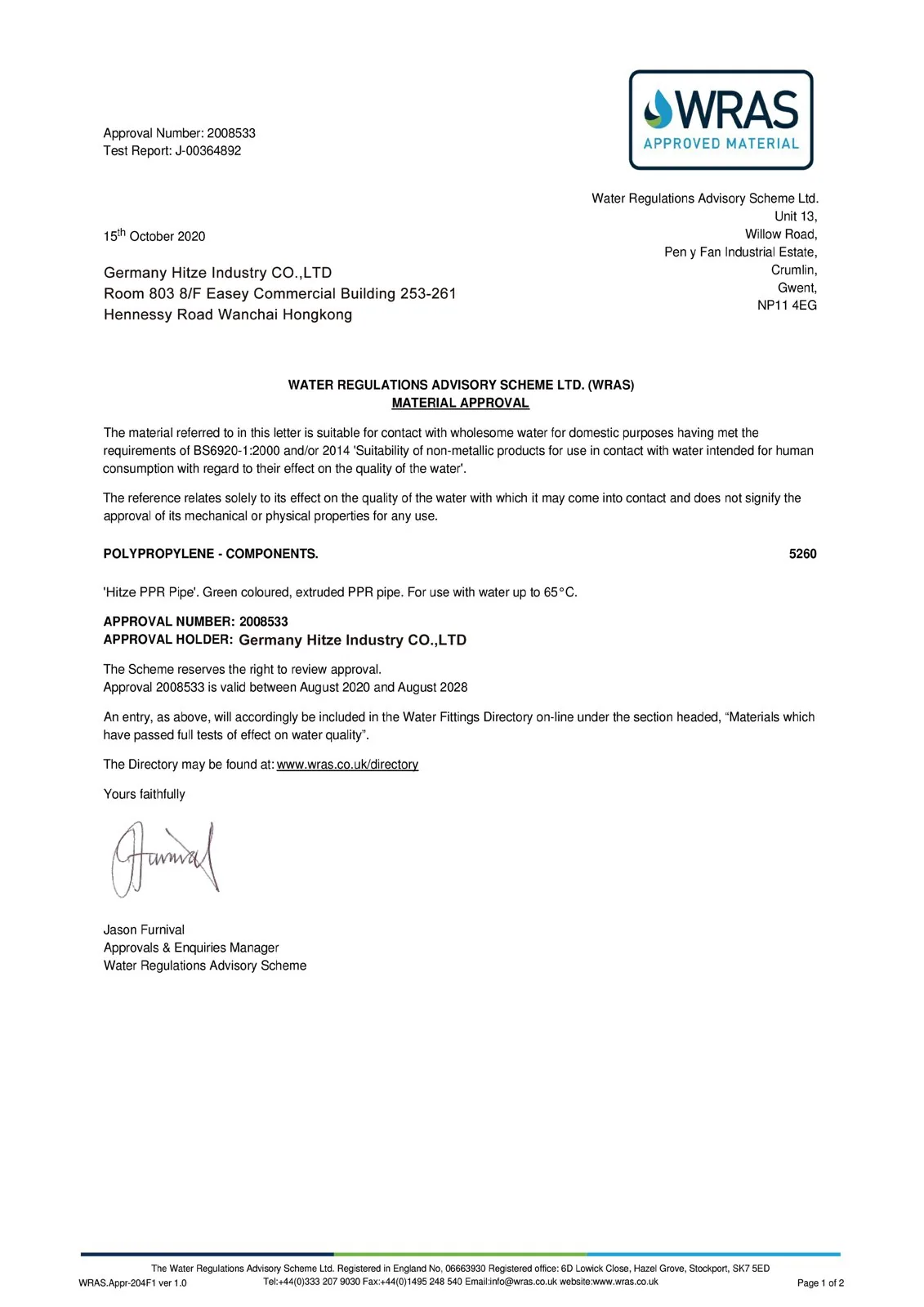
- Certification pack assembled up front — the market approvals that gate resale. Hitze products are built to German DIN standards and carry SKZ and DVGW type-examination results, WRAS material approval, and independent NSF-standard potable-water test reports; cUPC/UPC, NSF-14 and NSF/ANSI 61 status is stated as certified-to, with certificate numbers available on request.
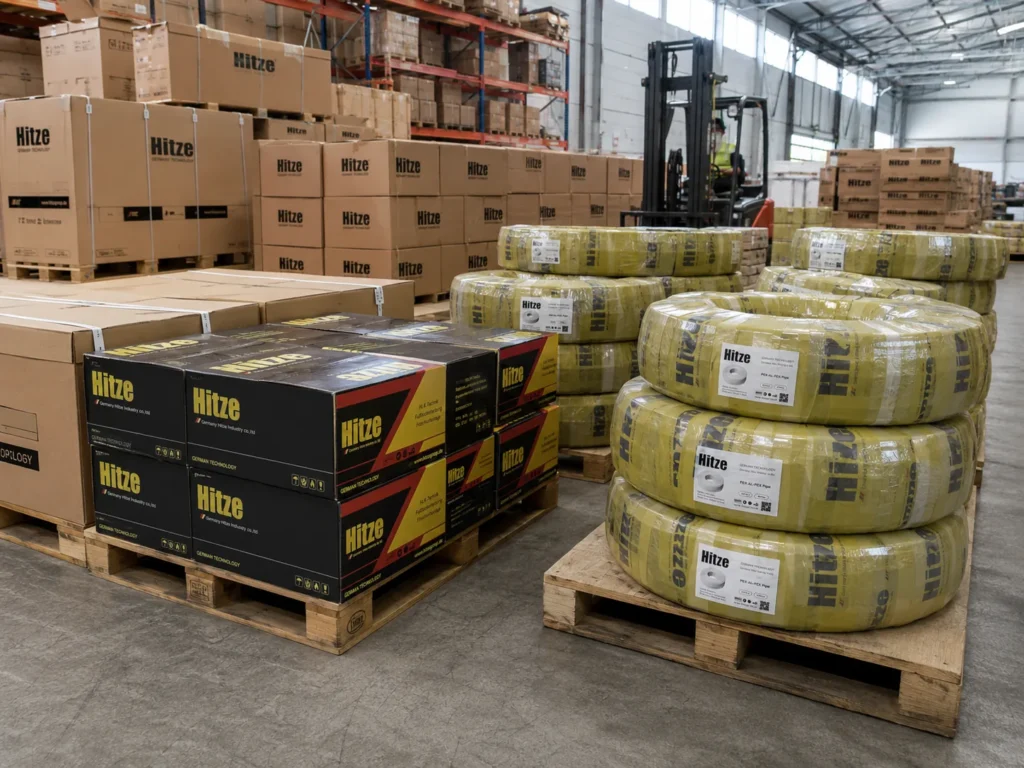
- Container loading and coil packing checked so the load is stable, labelled and photographed before the doors close — the evidence that decides a marine insurance claim if the goods move under FOB or CIF.
- Incoterm confirmed in writing on the proforma so the risk-transfer point, insurance obligation and duty responsibility are unambiguous before deposit — no “we assumed CIF covered it” surprises.
Hitze has no MOQ — you can start with samples or a small trial order before committing to container volume — and the matched Hitze pipe-and-fitting system carries a 50-year warranty. Freight rates and lead times still vary by market and order and are quoted on request; what does not vary is that the documentation is prepared to survive an audit at your port, not just to get the box on the ship.
End-to-end: choosing a term for a real reorder program
Take a distributor placing quarterly containers of PEX, PE-RT and press fittings into a US warehouse. On the first trial order, DDP made sense — one delivered price, no forwarder to appoint, minimal risk while the product proved out in the market. But once volume settled into a predictable quarterly rhythm, the same distributor moved to FOB. Why: they appointed a forwarder who consolidated Hitze pipe with other lines into fuller boxes, cutting per-unit freight; they placed all-risks cargo insurance on their own annual policy; and they took back control of the customs entry, classifying pipe at 3.1% and fittings at 5.3% themselves and preserving their origin-preference claim. The DDP “clean number” that felt safe at trial had been quietly the most expensive per unit at volume — because it bundled freight margin, the seller’s risk premium and an unauditable duty line into one figure. That progression — DDP to prove the product, FOB to scale it — is the pattern most container pipe importers should plan for from day one.
Buying pipe by the container and want the term to actually protect you?
This is written for importers and distributors moving regular volume who want visible landed cost, a certification pack that clears customs, and an Incoterm confirmed in writing before deposit. If that is you, Hitze quotes FOB, CIF or DDP with the HS codes, market certifications and loading documentation spelled out — so you are choosing a risk position, not guessing at one. It is not the right fit for one-off retail-quantity buys below trade volume.
See how we support container buyers on our importer & distributor piping page, review our full certifications & compliance documentation, or explore the PEX pipe range most often shipped by the container.
One more link worth following before you sign a term: if you are building a repeat supply line rather than a single shipment, the economics of freight consolidation and reorder consistency covered on our wholesale plumbing & heating pipe page usually tilt the decision toward FOB sooner than buyers expect.
Frequently asked questions
Is CIF safer than FOB for importing pipe?
Not in the way most buyers think. Under Incoterms 2020, CIF transfers risk to you at the origin port — the same point as FOB — and only obliges the seller to carry the minimum Institute Cargo Clauses (C) insurance, which excludes many common cargo losses. FOB lets you buy stronger all-risks cover of your own choosing. For most container pipe buyers, FOB with your own insurance is the more controllable and often safer position.
Who pays import duty under FOB, CIF and DDP?
Under FOB and CIF, the buyer is the importer of record and pays import duty and taxes. Under DDP, the seller pays them as part of the delivered price. For US plastic pipe the general duty is 3.1% (HTS 3917), plastic fittings 5.3% (3917.40) and brass fittings 3% (7412.20) — confirm the live rate and any special tariffs with your broker, since a DDP quote can hide the duty line inside one number.
Where does risk transfer under DDP?
DDP is the maximum-obligation term for the seller: risk stays with the seller until the goods are delivered, cleared and duty-paid at your named destination. That protects you on the transport leg, but you give up control of the customs entry, tariff classification and any duty-preference claim — which is why high-volume importers usually prefer FOB.
What insurance does the seller provide under CIF?
Only the minimum: Institute Cargo Clauses (C) under Incoterms 2020. It is a named-perils policy covering events like fire, sinking and collision but excluding theft, water damage from unlisted causes and general rough handling. If you want all-risks cover — Institute Cargo Clauses (A) — you must arrange and pay for it yourself, or buy FOB and insure the full journey from the start.
Which trade term should a first-time pipe importer choose?
For a genuine first order or a sample container, DDP removes the most friction — one delivered price and no customs to manage while you validate the product. Once volume becomes regular, move to FOB so you can consolidate freight, buy all-risks insurance, and control your duty position. A supplier that will quote any of the three terms — with HS codes and certifications documented — gives you the room to make that transition on your schedule.
Is Hitze pipe made in Germany?
Hitze is a German brand of engineered piping systems, designed by our German engineering team and built to German DIN standards, with SKZ and DVGW certification and WRAS and NSF-standard potable-water testing. Certificates such as cUPC/UPC and NSF/ANSI 61 are available on request. On every trade term we ship, the classification and certification pack travels with the goods so your container clears cleanly.