PPR pipe price lists rarely tell you what you are actually paying for. Two suppliers can quote the same de25 PN25 pipe 30% apart, and the cheaper one is not always the bargain — the gap often sits in the wall thickness, the resin grade, or fittings you never priced. For an importer building a PPR line, the skill is not finding the lowest number. It is knowing which part of the quote moved, and why.
The biggest input is the resin, and resin is a traded commodity with a public price. China spot polypropylene stood at 9,706.67 yuan a tonne on 8 June 2026, up 21.43% over the prior 90 days (Sina Finance commodity data). When that number moves, every serious factory re-prices within weeks. When a quote does not move with it, something else in the build has changed — exactly where a buyer needs to look.
Key Takeaways
- Resin is the dominant cost input — well over half of a pipe’s factory cost — and it tracks a public polypropylene price that rose 21.43% in the 90 days to 8 June 2026.
- At that price, the resin in one metre of de25 SDR6 (PN25) pipe costs about US$0.35; the same metre of de110 SDR6 holds about US$6.87. That is a floor, not a selling price.
- Wall follows SDR (wall = outside diameter ÷ SDR), so a PN25 line uses far more resin per metre than PN16 at the same diameter — the pressure class is a price decision.
- Fittings, not pipe, are where quotes quietly diverge: moulded fittings and brass-insert transitions carry cost a per-metre pipe price hides.
- US importers pay 3.1% general duty on PP-R pipe (HTS 3917.39) and 5.3% on fittings (HTS 3917.40), before any trade remedies on top.
- A quote 30% below the field usually means recycled resin, under-tolerance wall, short metres, or a thin certificate — each one checkable before you pay.
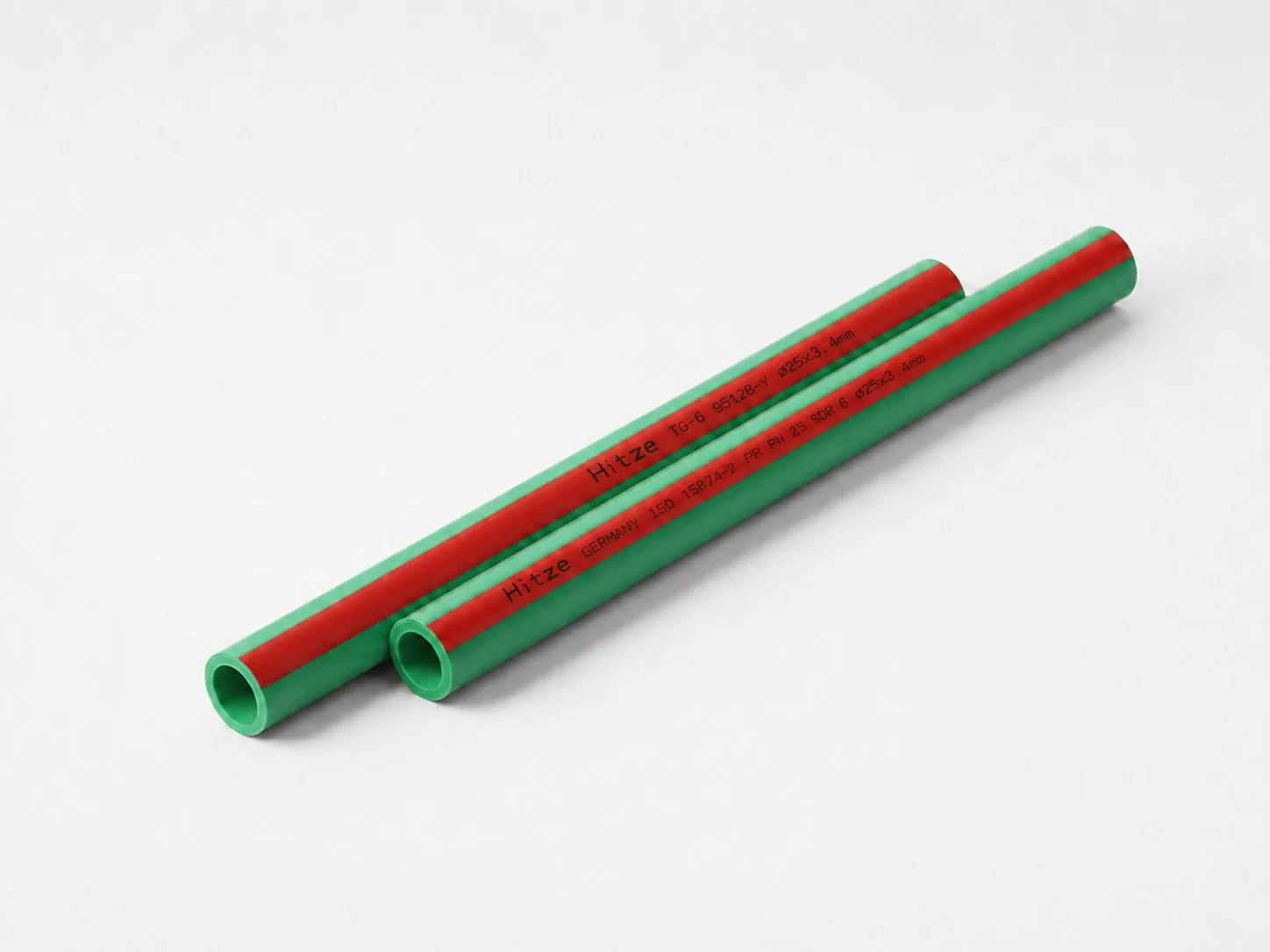
What Is Actually Inside a PPR Pipe Price?
A PPR quote is a stack of distinct costs, and suppliers who quote a single per-metre number are flattening that stack. The buyer who can pull it back apart wins every negotiation. Five components do almost all the work.
The resin is the largest input and the only one with a live public price, so it sets the floor the rest of the quote is built on. Conversion — extrusion time, energy, labour and scrap — sits on top of it. Two components hide in plain sight: fittings, where a moulded elbow or brass-insert transition carries tooling and machining cost a pipe-only number never shows, and certification, because hydrostatic testing and third-party inspection are not free.
| Cost component | What it covers | How a buyer reads it |
|---|---|---|
| PP-R resin | Pipe-grade polypropylene random copolymer granulate | Tracks a public commodity price; the largest, most volatile input |
| Conversion | Extrusion, energy, labour, scrap and re-grind loss | Falls per metre as run length and order volume rise |
| Fittings | Moulded sockets, elbows, tees, brass-insert transitions | Priced per piece; brass inserts add the most cost |
| QC and certification | Hydrostatic testing, dimensional checks, third-party inspection | A real, recoverable cost; absent in the cheapest quotes |
| Packaging, margin, overhead | Cartons, wrapping, pallets, factory overhead, profit | Where private-label print and branding cost lands |
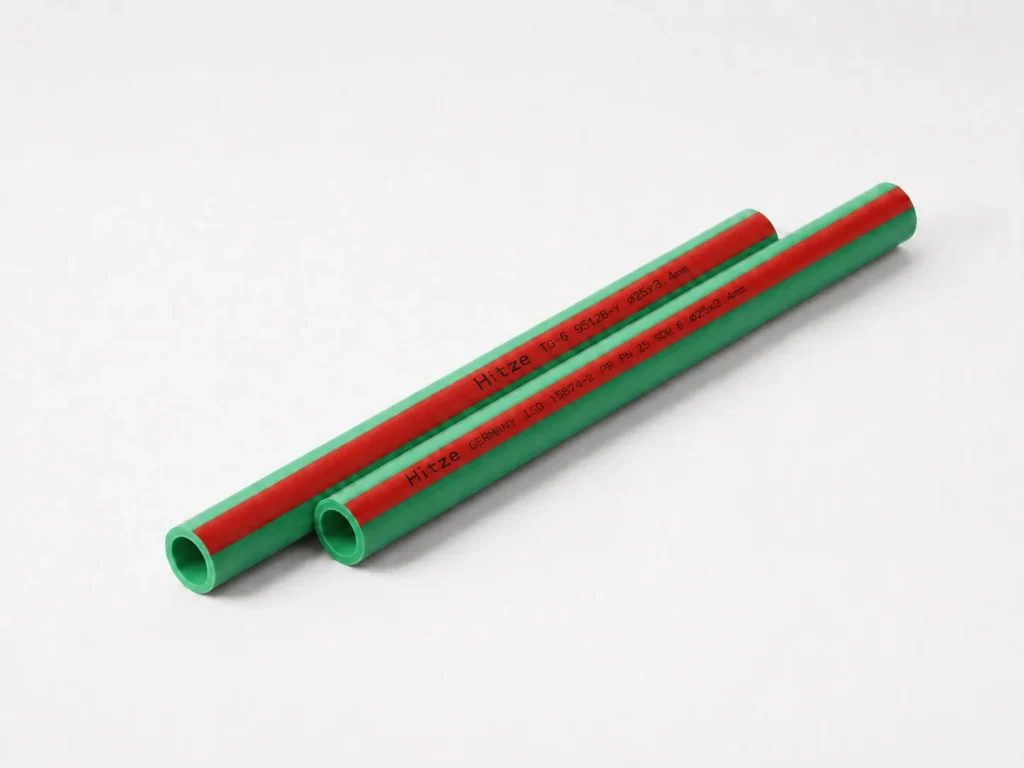
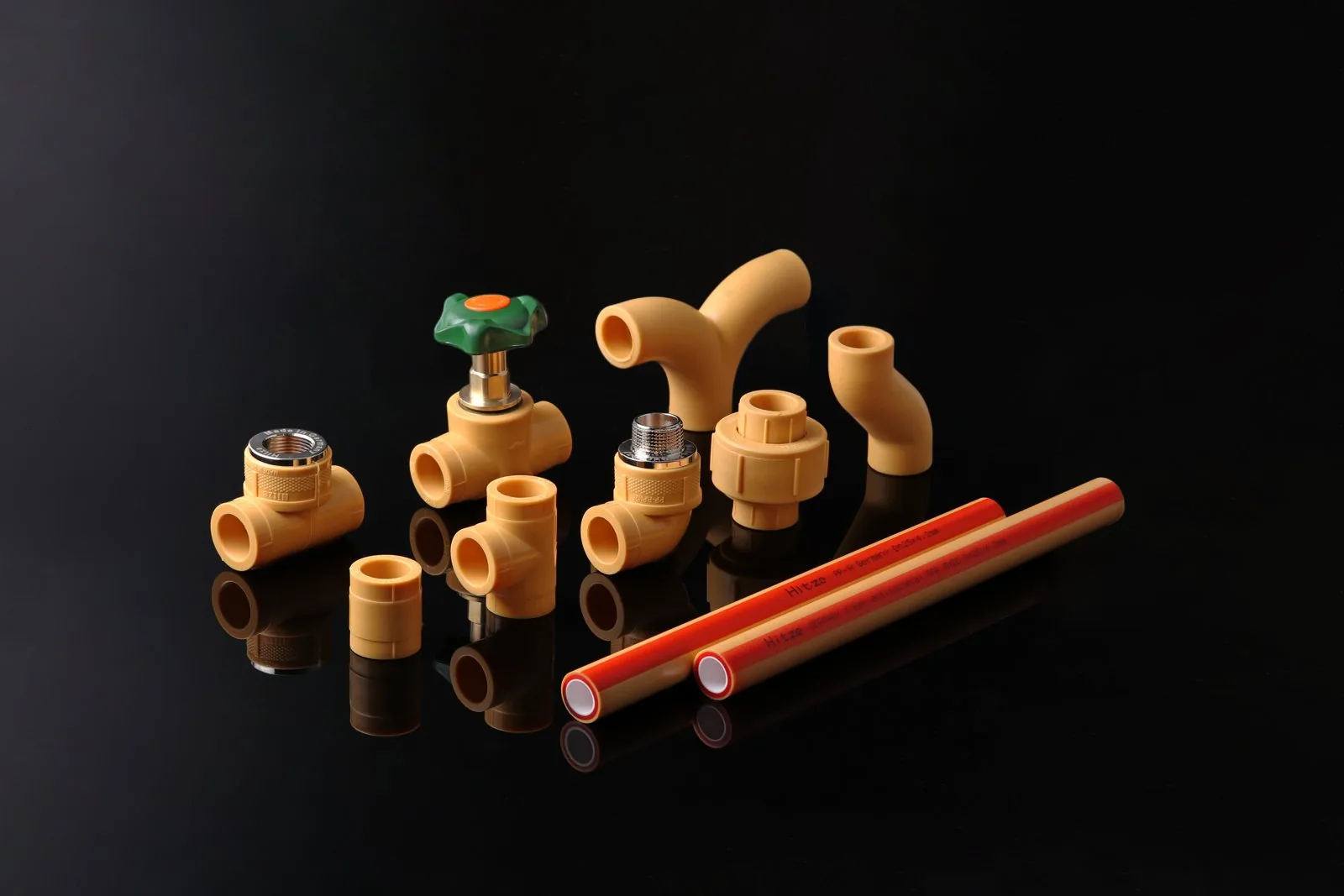
Read a quote against this stack and the weak point announces itself. A supplier whose number barely covers the resin in the table below is not running a tighter factory — it is cutting one of the layers above the resin. You can see the full PP-R pipe and fittings range to anchor what a complete system looks like before you start pulling competing quotes apart.
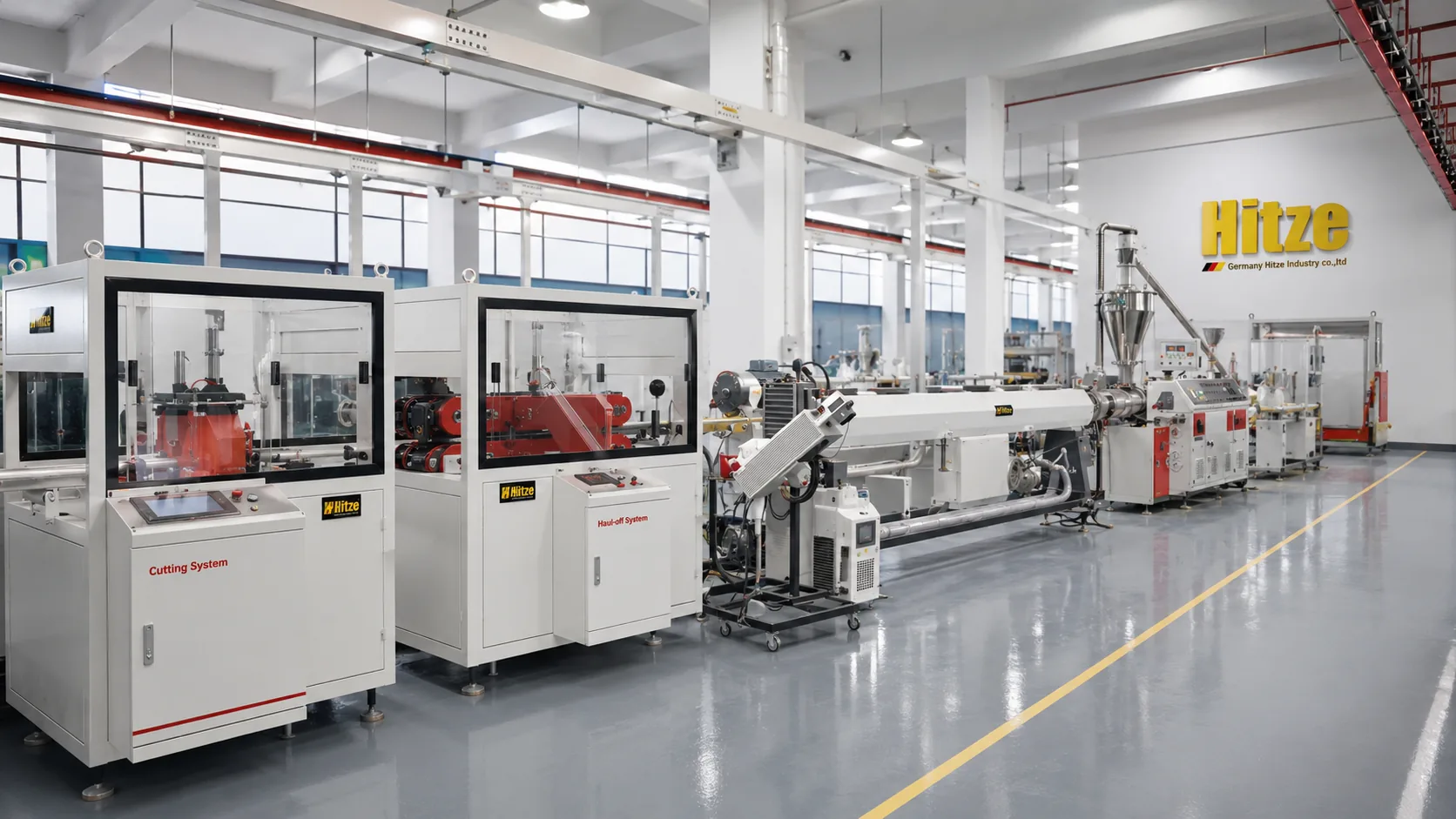
The Raw-Material Floor: What the Resin in a Metre of Pipe Costs
Every PPR pipe has a resin floor you can calculate yourself, and it is the fastest lie-detector in the category. A pressure pipe’s wall thickness is set by its SDR — the standard dimension ratio, the outside diameter divided by the wall. A lower SDR means a thicker wall and more resin per metre, and because the geometry is fixed by the standard, the material cost of any size and class follows once you know the resin price.
Take the China spot price of 9,706.67 yuan a tonne recorded on 8 June 2026. At the 1 July 2026 rate of about 6.81 yuan to the dollar that is roughly US$1,426 a tonne, or US$1.43 a kilogram. Pipe-grade PP-R resin trades at a premium over this general-purpose figure, so treat the result as a conservative floor. The table works the geometry out for an SDR6 (PN25) hot-water line, the specification importers request most — wall = OD ÷ 6, at a polypropylene density of 0.91 g/cm³, so the resin mass of any size follows directly.
| Pipe size (OD) | Class | Resin per metre | Material floor |
|---|---|---|---|
| de20 | SDR6 / PN25 | ≈ 0.16 kg | ≈ US$0.23 / m |
| de25 | SDR6 / PN25 | ≈ 0.25 kg | ≈ US$0.35 / m |
| de32 | SDR6 / PN25 | ≈ 0.41 kg | ≈ US$0.58 / m |
| de63 | SDR6 / PN25 | ≈ 1.58 kg | ≈ US$2.25 / m |
| de110 | SDR6 / PN25 | ≈ 4.80 kg | ≈ US$6.87 / m |
Be clear what these numbers are: raw resin and nothing else — no extrusion, scrap, testing, packaging, margin or freight. A finished FOB price sits well above this floor, and the multiplier between the two is where factories differ most. The floor’s job is narrower: if a quote approaches the resin number, the supplier is either losing money or quietly stripping out everything above the resin. Neither is a place an importer wants to be.
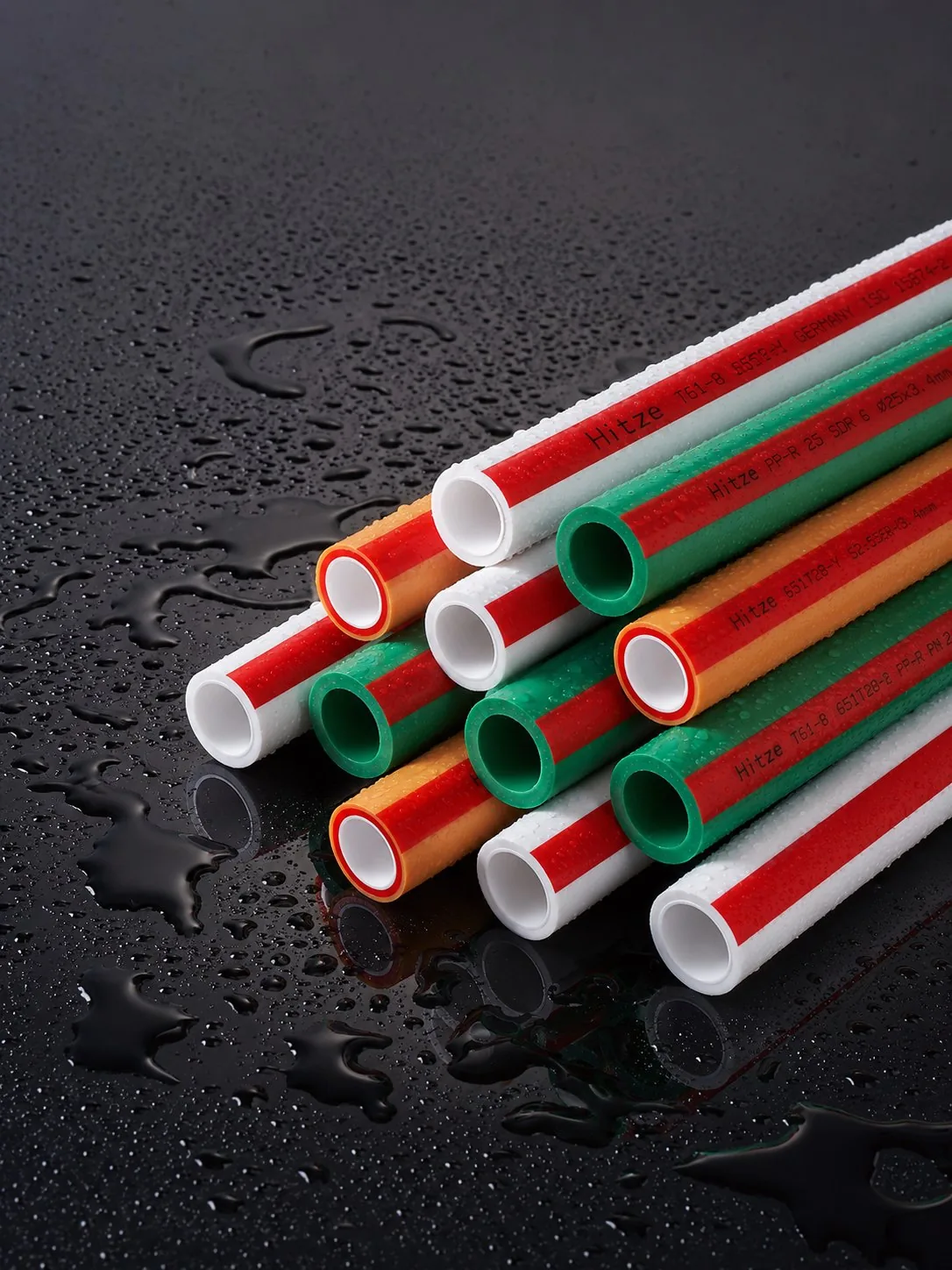
The Five Cost Drivers Behind a PPR Quote
Five variables move a PPR price more than anything a salesperson will volunteer. Knowing them lets you predict a quote before it arrives and challenge it when it does.
Resin grade and source. Virgin pipe-grade PP-R copolymer and recycled re-grind can differ enough to explain a double-digit gap on their own — and recycled material loses the long-term hydrostatic strength the 50-year design-life calculation behind EN ISO 15874 assumes, so the saving shows up later as failures, not on the invoice. Pressure class and wall. Because wall follows SDR, a PN25 line uses materially more resin per metre than a PN16 line of the same diameter; overspec a cold-water run to PN25 and you pay for resin you never needed.
Pipe variant. Standard PP-R, glass-fibre-reinforced PPR-FB-PPR and aluminium-composite PPR-AL-PPR each carry a different material and process cost; the reinforced and composite variants cost more up front and buy lower thermal expansion and an oxygen barrier, a trade-off that only pays off on the right application. Fittings mix. A pipe-only price flatters the supplier — moulded fittings add tooling cost, and any brass-insert transition adds machined brass on top, so two quotes with identical pipe prices diverge sharply once fittings are priced per piece. Order structure. Longer runs spread conversion cost over more metres, private-label print adds packaging cost, and an FOB price excludes the freight and duty a DDP price bakes in. With resin up 21.43% in 90 days, a price held open for months is a price the supplier intends to renegotiate.
| Cost driver | Direction of price impact | What to confirm on the quote |
|---|---|---|
| Resin grade | Virgin costs more than recycled re-grind | Resin grade and incoming-inspection record |
| Pressure class / SDR | Lower SDR (higher PN) means more resin | SDR and PN stated per line item |
| Pipe variant | FB and AL composite cost more than standard | Exact variant named, not just “PPR” |
| Fittings mix | Brass-insert fittings add the most | Fittings priced per piece, separate from pipe |
| Order structure | Volume lowers unit cost; DDP adds freight and duty | Incoterm, quantity band and validity date |
How to Compare PPR Quotes Like for Like
Most “price comparison” spreadsheets are comparing different products. Before a single number goes into the sheet, lock four things or the comparison is meaningless.
First, fix the incoterm. An FOB price and a CIF price differ by the ocean crossing, and a DDP price adds destination duty on top — the US general duty alone runs 3.1% on PP-R pipe under HTS 3917.39 and 5.3% on fittings under 3917.40 (USITC Harmonized Tariff Schedule), before any trade remedies that may apply depending on origin; confirm the current rate with a customs broker before you build a landed cost. Second, fix the standard and pressure class, because a quote to DIN 8077/8078 at SDR6 is not the same product as one held to a looser tolerance. Third, fix the metre length and fittings count — a 4-metre stick priced against a 3.8-metre stick is a hidden 5%. Fourth, fix the certificate scope, since a certificate that names the product family beats one that only names the factory. Only when all four match does the per-metre number mean anything.
The discipline pays off fastest on the incoterm: importers routinely chase a lower FOB and lose the saving to freight and duty they never normalized. Our breakdown of FOB, CIF and DDP for pipe imports shows who carries the risk at each stage, and the guide to the landed cost of imported pipe turns the FOB number into the per-unit figure that actually hits your margin.
What a Cheap Quote Usually Hides
A quote that lands 30% under the field is almost never a more efficient factory — it is one of four cuts, each checkable before money changes hands. The most common is recycled resin, which lowers the price and silently lowers the long-term pressure rating with it. The second is wall held to the bottom of the tolerance band, or below it, so the pipe meets the datasheet dimension while carrying less resin than the SDR implies. The third is short metre lengths, the easiest saving of all because it never appears as a line item. The fourth is a thin certificate: one that covers the factory but not the product, or has quietly lapsed. If a supplier quotes well below the resin floor above, one of these is doing the work.
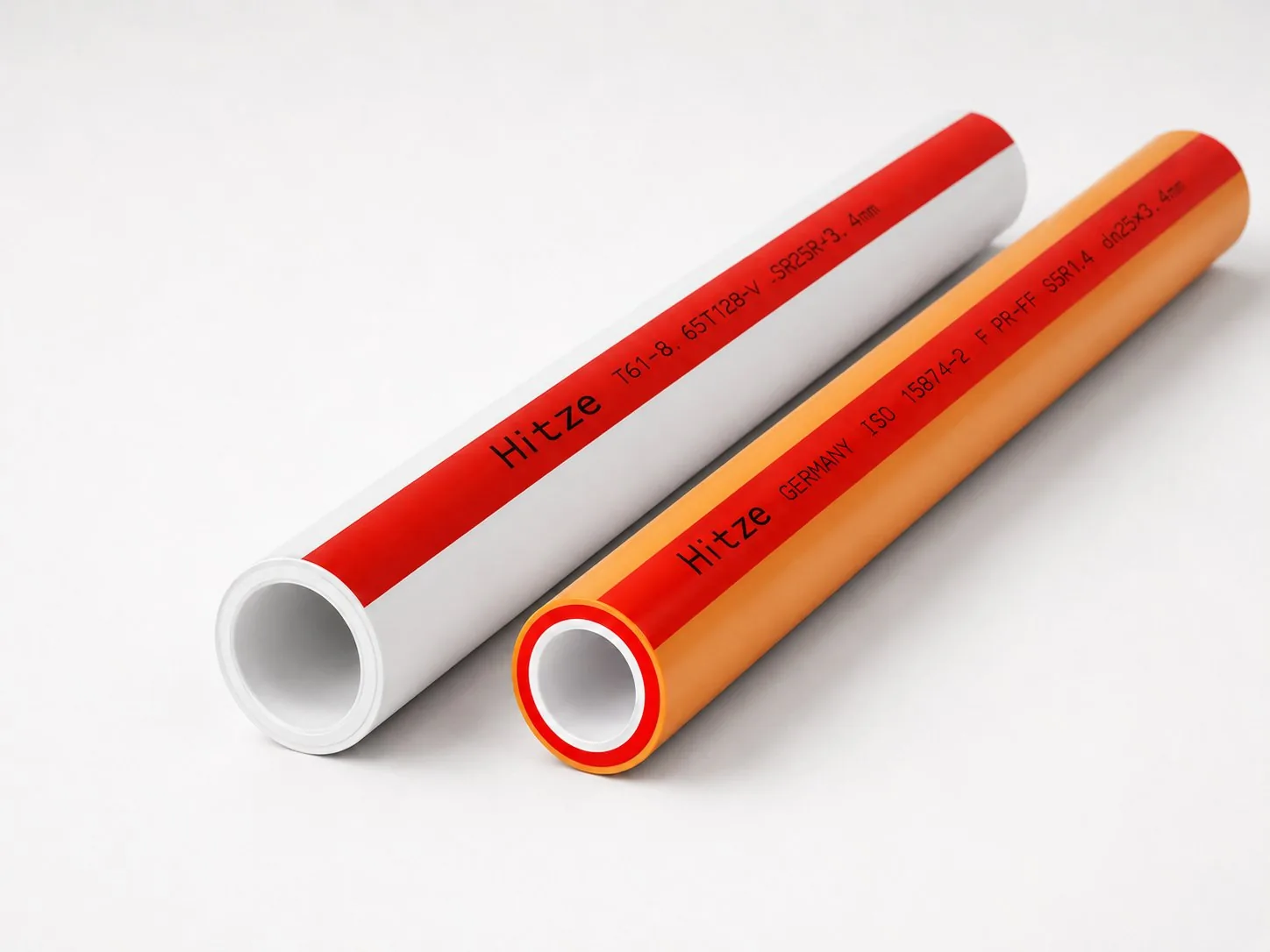
None of this requires trust to verify. Ask for caliper photos of the wall at several points, a resin grade and incoming-inspection record, the stated metre length per stick, and a certificate whose scope names the product — a supplier cutting corners hesitates at exactly these questions. A structured factory audit checklist for pipe suppliers turns that hesitation into a scoring system, and the guide to verifying that a pipe certification is real shows how to check the document against the issuing body, not take the PDF at face value.
How to Get an Accurate Factory Price List
A vague enquiry gets a vague price, and a vague price is useless for comparison. The factories that return a sharp, line-item quote quickly are the ones that received a sharp enquiry first. Send six things and the response quality changes immediately.
- Size list: every outside diameter you need, de20 through de110, with the metre length per stick.
- Pressure class: the SDR or PN for each size, so the wall — and the resin — is fixed.
- Variant: standard PP-R, glass-fibre-reinforced, or aluminium-composite, named per line.
- Fittings: the count and type of sockets, elbows, tees and any brass-insert transitions.
- Quantity and packaging: the order volume, and whether you need neutral or private-label cartons.
- Incoterm and destination: FOB, CIF or DDP, with the port — and a target validity date for the price.
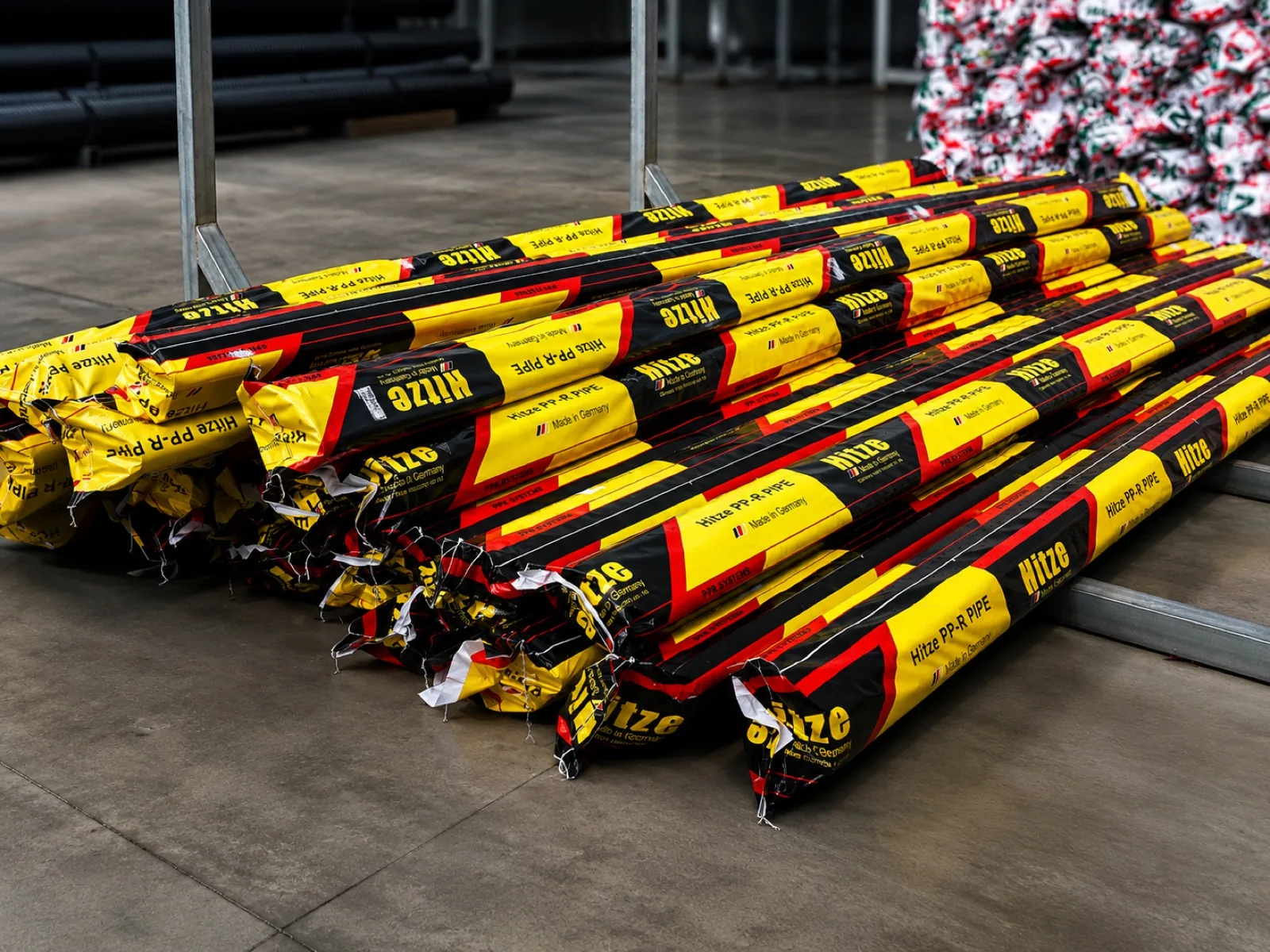
Then protect the price with a sample step before the first full order. Approving a sample locks the resin grade, wall and print, so the production batch can be checked against something physical rather than a promise — the PPR sample approval checklist sets out what to test before a deposit. Hitze runs a no-minimum-order model for general ordering and supports sample-friendly sourcing, so a buyer can validate product on a small quantity before committing container volume.
Conclusion
A PPR price is a stack — resin, conversion, fittings, quality control, packaging and margin — and the resin floor alone tells you when a quote stops being credible. With polypropylene up 21.43% in the 90 days to June 2026, the buyers who win are the ones who normalize the incoterm, the standard, the metre length and the certificate before they compare a single number, and who treat any price near the resin floor as a warning rather than a deal.
If you are building or restocking a PPR line, send the size list, SDR classes and target incoterm and compare the line-item quotes that come back — the spread between them will show you exactly where each supplier is making its money.
Frequently Asked Questions
What is the price of PPR pipe per metre?
It depends on size and pressure class. The raw resin alone runs from roughly US$0.23 per metre for de20 SDR6 to about US$6.87 for de110 SDR6 at mid-2026 resin prices; a finished FOB price adds conversion, fittings, QC, packaging and margin on top of that floor.
Why do two suppliers quote such different PPR prices?
Usually one of five drivers: resin grade (virgin versus recycled), pressure class and wall, pipe variant, the fittings mix, or order structure and incoterm. A gap of 30% or more typically points to recycled resin or under-tolerance wall.
Is there a minimum order quantity for PPR pipe?
Hitze runs a no-minimum-order model for general ordering and supports sample-friendly sourcing, so you can validate product on a small quantity first. Customization such as private-label print may carry its own minimum, confirmed in the quote.
How long does a PPR price stay valid?
Not long when resin is moving. Polypropylene rose 21.43% in the 90 days to June 2026, so a quote held open for months is a quote the supplier expects to renegotiate. Ask for an explicit validity date and re-confirm before you commit.
What import duty applies to PPR pipe and fittings?
In the US the general duty is 3.1% on plastic pipe (HTS 3917.39) and 5.3% on fittings (HTS 3917.40), per the USITC tariff schedule. Trade remedies may apply on top depending on origin, so confirm the current rate with a customs broker.
Written by the Hitze team — GERMANY Hitze INDUSTRY CO., LTD., a German piping brand engineering PP-R pipe and fittings to DIN standards since 1974, supplying importers, distributors and contractors in 118+ countries from a 120,000 m² production base.