Key takeaways for UK importers
- BS 6920 tests materials, not products. It only proves a non-metallic material does not spoil water quality — it carries no mechanical or pressure testing, so a BS 6920 report alone never proves a fitting is fit for purpose under UK law.
- It is a suite of six tests (BS 6920-1:2014): odour & flavour, appearance, growth of aquatic microorganisms, cytotoxicity, extraction of metals, and a high-temperature test — each with a hard numeric pass/fail line.
- BS 6920 is the water-quality engine underneath WRAS. WRAS material approval, NSF REG4 and Kiwa KUKreg4 all lean on BS 6920 conformity to satisfy Regulation 4(1)(a) of the Water Supply (Water Fittings) Regulations 1999.
- Hot testing is where thin reports fail. A cold-only pass does not cover a hot-water pipe. Ask for the elevated-temperature result in writing.
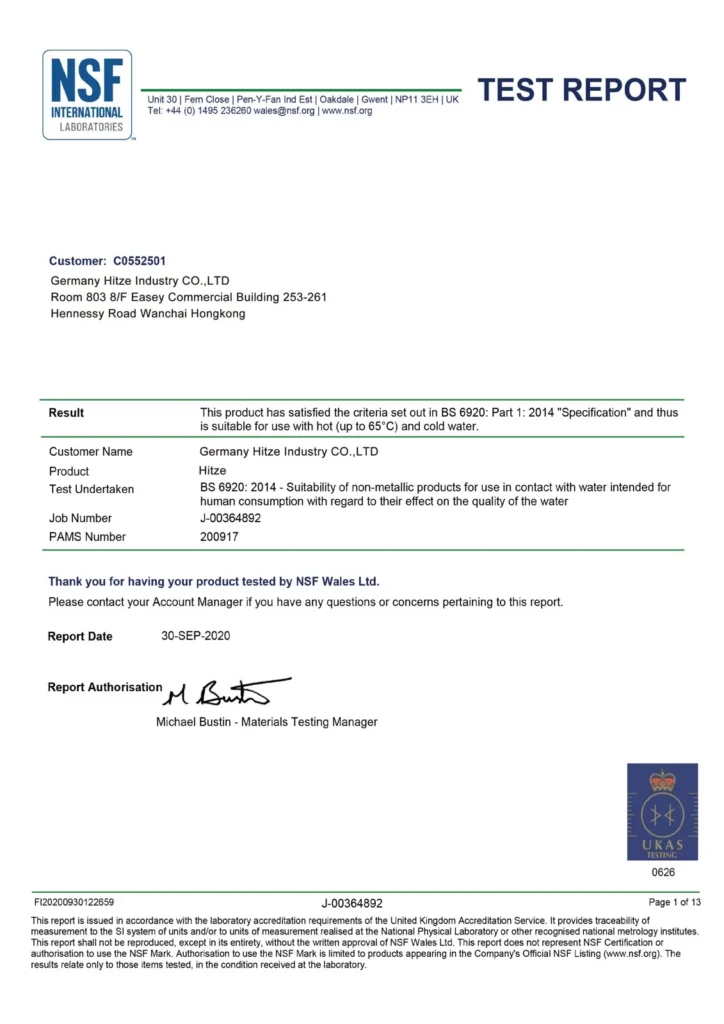
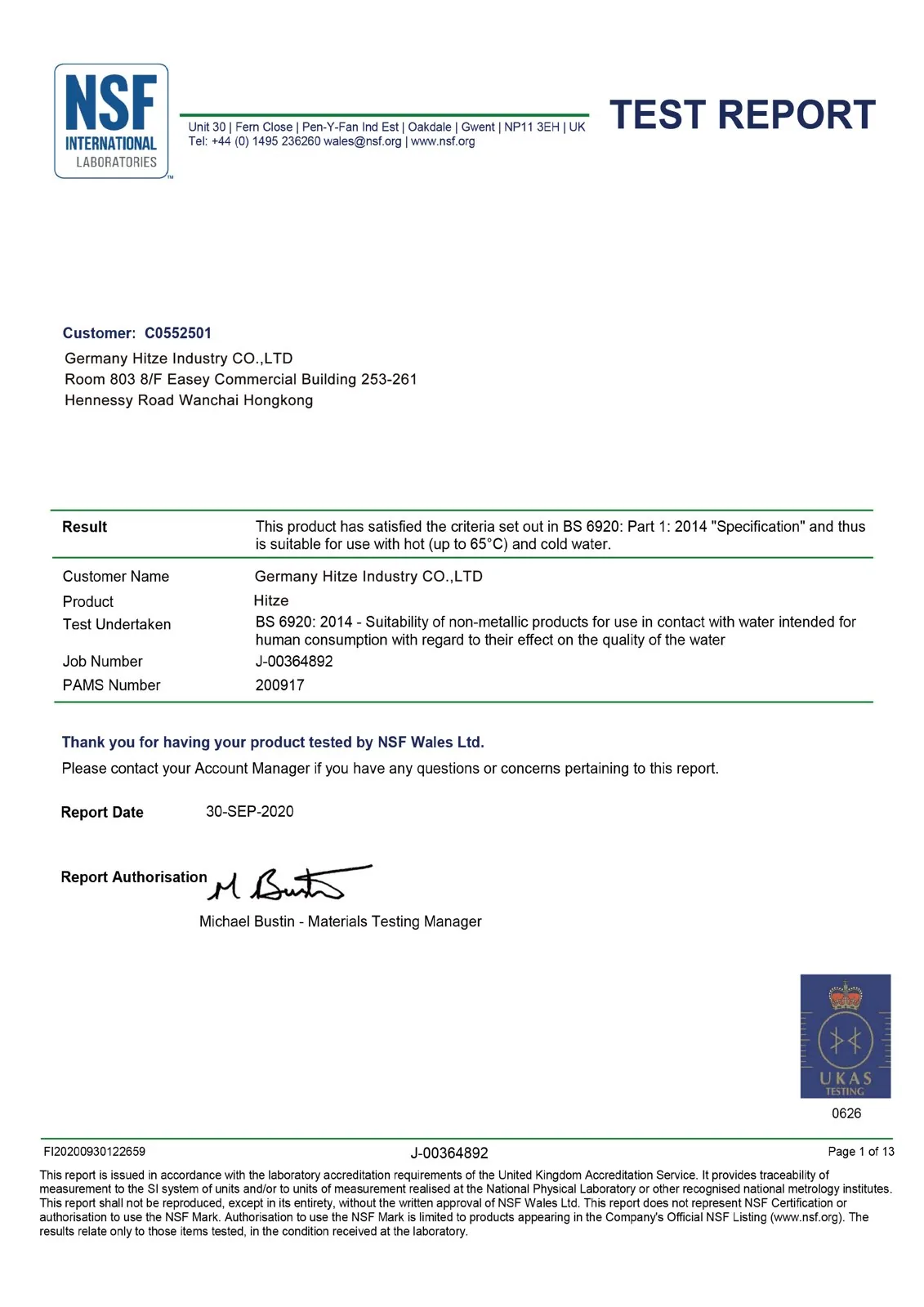
- Hitze holds an NSF International Laboratories BS 6920 test report covering hot (up to 65°C) and cold contact, plus a WRAS material approval — both with certificate numbers available on request.
If you import plumbing pipe or fittings into the UK, the fear is specific: a water undertaker’s inspector, a main-contractor’s compliance desk, or a Building Control officer asks for evidence that the wetted plastic in your product will not taint drinking water — and the “WRAS approved” line on your supplier’s datasheet turns out to mean nothing for the item actually in the box. BS 6920 is the standard that sits behind that whole conversation. Understand what it tests, what it deliberately does not test, and what a real report looks like, and you can vet a supplier’s claim in ten minutes instead of discovering the gap after a container has landed.
What BS 6920 actually is — and what it is not
BS 6920 is a British Standard titled Suitability of non-metallic materials and products for use in contact with water intended for human consumption with regard to their effect on the quality of the water. The current specification is BS 6920-1:2014 — the fifth edition, which came into effect on 30 June 2014 and superseded BS 6920-1:2000. Part 1 sets the acceptance criteria; the Part 2 series holds the individual test methods. The scope line matters: it applies to non-metallic (and cementitious) materials in contact with hot or cold water, and it explicitly does not apply to metallic materials. Your brass, in other words, is a different compliance track — that is where NSF/ANSI 61 and lead-free grade rules live, which we cover in the NSF/ANSI 61 lead-free brass guide.
Here is the trap that catches importers. BS 6920 is a materials standard. It asks one question only: does this plastic, rubber, coating or composite surface leach anything, breed anything, or change how the water looks, smells or tastes? It contains no mechanical performance testing — no pressure rating, no burst test, no thermal cycling. Water Regs UK states this plainly: BS 6920 testing “in isolation is not considered to be evidence a water fitting is of a suitable quality and standard for the purposes of regulation 4(1)(a).” So a supplier who answers “is it certified for potable water?” with a single BS 6920 material report has answered half the question at best. You still need the mechanical standard — DIN 8077/8078 and EN ISO 15874 for PP-R, for example — to prove the pipe will hold pressure at temperature.
Why does the UK care at all? Because Regulation 4 of the Water Supply (Water Fittings) Regulations 1999 makes it a legal duty not to install a fitting unless it is of “an appropriate quality and standard.” Schedule 2, paragraph 2(1) then bans any material that “causes or is likely to cause contamination of water” used for domestic or food-production purposes. BS 6920 is the recognised way to show a non-metallic material clears that contamination bar. Fail to hold the evidence and the liability does not sit with your Chinese or German factory — it sits with whoever installed or supplied the fitting in the UK. That is you.
The six BS 6920 tests, and the numbers that decide pass or fail
BS 6920 runs a material through six assessments. Each has an objective acceptance limit, and a material must conform in all of them — not most — at the maximum temperature it is intended to see. Skim the table, then read the notes underneath, because the pass criteria are where suppliers get vague.
| Test | What it measures | Pass line |
|---|---|---|
| Odour & flavour (organoleptic) | Whether the material taints the water’s smell or taste | A 3-person panel; at least 2 report no odour and no flavour in the first dilutions, all report no flavour in the second |
| Appearance of water | Colour and turbidity (“cloudiness”) added to the water | ≤ 5 Hazen units (colour) and ≤ 0.5 FNU (turbidity) vs control after 24 h |
| Growth of aquatic microorganisms (MDOD) | Whether the material feeds biofilm — measured as dissolved-oxygen depletion | MDOD ≤ 1.69 mg/L; retest permitted up to 2.9 mg/L, conforms if mean ≤ 2.39 mg/L; run at 30°C |
| Cytotoxicity / extraction of substances (EXS) | Whether extracts are toxic to living cells | No toxic response in cultured African Green monkey kidney cells vs blank and zinc-sulphate controls |
| Extraction of metals (EM) | Metal ions leached from the material | Below UK drinking-water limits for antimony, arsenic, boron, cadmium, chromium, lead, mercury, nickel, aluminium and iron |
| High-temperature test | Applies the other tests at the material’s hot-water service temperature | Must conform at the elevated temperature; boiling-water testing recommended only after conformance at 85°C |
The odour and flavour test is the one most homeowners would recognise — “the water tastes funny” is the single most common complaint UK water undertakers receive, and some of it traces straight back to fittings. Samples are submerged in both chlorinated and chlorine-free water, then a three-person panel assesses odour and, if two or more find none, the diluted extract for flavour. For cold-only materials the water sits at 23°C; for anything used hotter, it must also pass at the elevated service temperature. There is no instrument here — it is a trained human panel, which is exactly why marginal materials with a faint waxy or solvent note get caught.
The appearance test is machine-read and unforgiving: after 24 hours the extract’s colour must not rise more than 5 Hazen units and turbidity not more than 0.5 Formazine Nephelometric Units against the control. The MDOD growth test is the slow one — it measures dissolved oxygen across the fifth to seventh weeks of a running test (up to nine weeks in borderline cases) at 30°C, because oxygen falling faster than the control means microbes are feeding on something the material sheds. A material passes at a mean dissolved-oxygen difference of 1.69 mg/L or less. This single test is why a cheap plasticiser or a poorly stabilised compound can sail through a pressure test yet still fail potable approval: it is nutritious to biofilm.
The cytotoxicity test screens extracts against cultured cells rather than live animals — if the cells stay healthy against a healthy blank and a dead zinc-sulphate control, the material clears. The metals test takes a 24-hour extract and measures ten elements of health concern against UK drinking-water limits, with up to seven extracts allowed if a borderline reading needs confirming. Together these two are the “is it poisoning the water” pair, and they are the reason regulators treat BS 6920 as evidence of genuine safety rather than a paperwork exercise.
Why hot testing is the line most thin reports quietly skip
Here is the single most useful thing to know when you read a BS 6920 report. The original tests were designed for cold water — materials up to about 25°C. The high-temperature test was added later so the other five could be applied to hot-water materials, and it is product-specific: hot results are not reported as a separate certificate, they are folded into the same tests run again at the service temperature. Critically, BS 6920 warns that a good result in hot water does not prove suitability in cold water — so for odour/flavour and substances of concern, a hot-service material must conform at both the elevated temperature and at 23°C to be signed off for hot use.
The practical consequence: if you are buying a hot-and-cold pipe — PP-R, PEX, multilayer, PPR-CU — a cold-only BS 6920 pass is not enough, and a report that only quotes one temperature is a report you must query. Ask which temperature the hot testing was carried out at. The standard allows any elevated temperature up to boiling, and recommends boiling-water testing only once a material has conformed at 85°C. For domestic hot-water pipe, a report covering cold plus an elevated temperature in the 65°C region reflects real service conditions. That is precisely the envelope Hitze’s report is written to: an NSF International Laboratories BS 6920 test report covering hot contact up to 65°C and cold — not a single-temperature snapshot.
How BS 6920 underpins WRAS — and why “WRAS approved” can still fail you
Most UK buyers meet BS 6920 through its more famous badge: WRAS. When a non-metallic material earns WRAS Material Approval, what it has actually done is pass BS 6920. The two are not competing standards — WRAS is the scheme, BS 6920 is the test method it certifies against. That is the relationship to keep straight, and it is worth reading alongside our deeper breakdown of WRAS, DVGW and KTW certification for the UK and EU.
But WRAS approval comes in two flavours, and conflating them is the classic importer mistake:
| Evidence | What it proves | What it does NOT prove |
|---|---|---|
| BS 6920 material test report | The tested material does not contaminate water at the tested temperatures | Nothing about mechanical strength; not a scheme “approval” mark |
| WRAS Material Approval | A specific non-metallic material/component passed BS 6920 and is listed in the WRAS directory | That the finished product (valve, mixer, fitting) is compliant |
| WRAS Product Approval | A whole product passed both water-quality (BS 6920) and mechanical testing; full Regulation 4 compliance if installed per its conditions | That other products in the same range are covered |
So when a datasheet says “WRAS approved,” your first question is: material approval or product approval, and for exactly which item? A material approval for the pipe compound is real and useful, but it is not a product approval for a valve assembled from five components. Both types carry a five-year validity and must be re-tested to stay live — an approval that lapsed in 2023 is decoration, not evidence. Verifying that a claim is current and correctly scoped is a discipline in itself; we walk through it in how to verify a pipe certification is real.
One more thing that trips people up: WRAS is not the only route to Regulation 4 compliance. It is a voluntary scheme, and a BS 6920 test report from an accredited laboratory — such as NSF — plus schemes like NSF REG4 and Kiwa KUKreg4 are equally recognised as evidence. A water undertaker’s acceptance is also case- and site-specific and time-limited, so no single certificate is a permanent nationwide free pass. If your compliance evidence lives across BS 6920 reports, WRAS listings and DVGW type examinations, it helps to keep the whole pack in one place — which is why Hitze publishes the current scope on its certifications and compliance page and issues certificate numbers on request rather than printing partial claims on a datasheet.
What Hitze checks, and how the report is built
Hitze is a German brand of engineered piping systems, built to German DIN standards, founded in 1974 with a 120,000 m² production base, 1,000+ employees and exports to 118+ countries. On the water-quality side, the compliance file is deliberately layered so it survives the exact questions above:
- An NSF International Laboratories BS 6920 test report covering hot (up to 65°C) and cold contact — so the odour/flavour, appearance, microbial-growth, cytotoxicity and metals results reflect real hot-water service, not a cold-only snapshot.
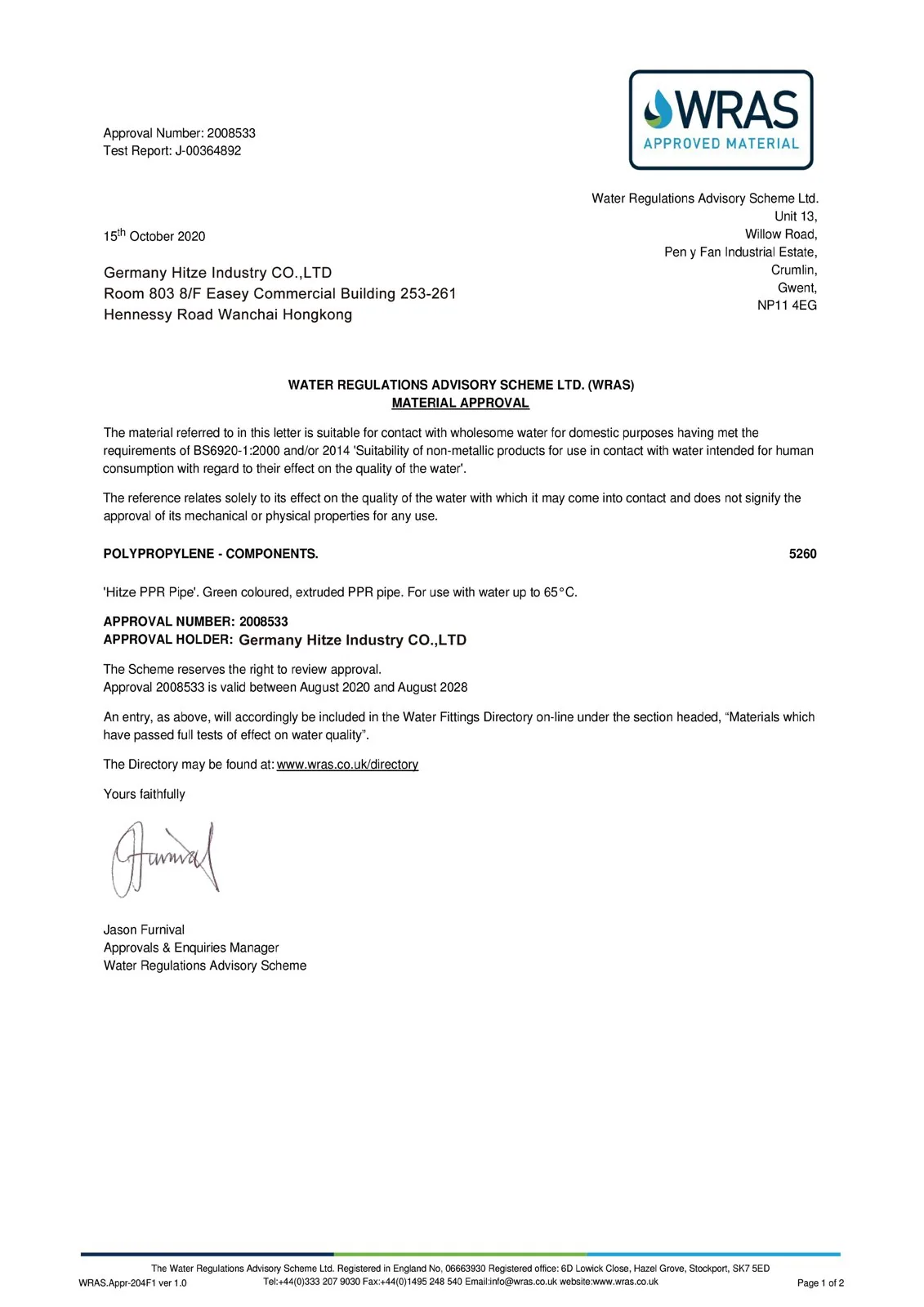
- A WRAS material approval for potable water, so UK specifiers get the scheme listing they recognise as well as the underlying test report.
- DVGW type examination for PP-R drinking-water pipe and SKZ testing for PP-R pressure pipe and PE-Xb heating pipe — the mechanical and hygiene evidence BS 6920 deliberately leaves out, so the pipe is proven on both quality and strength.
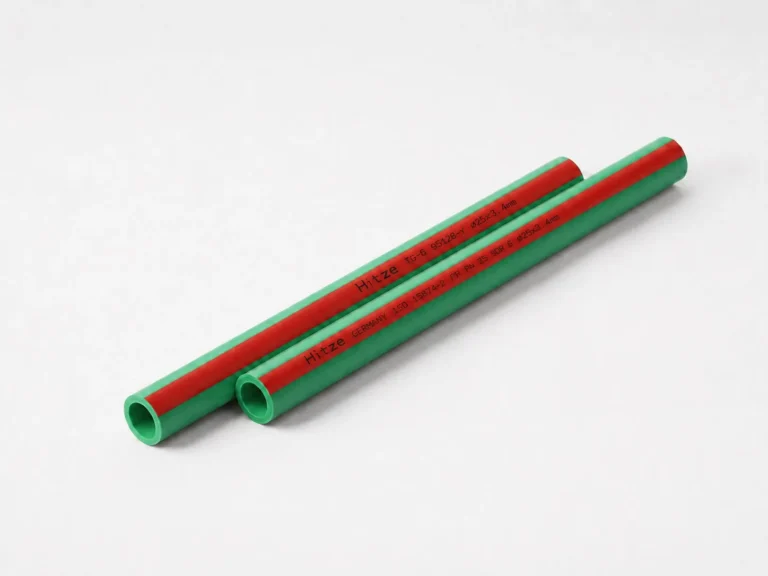
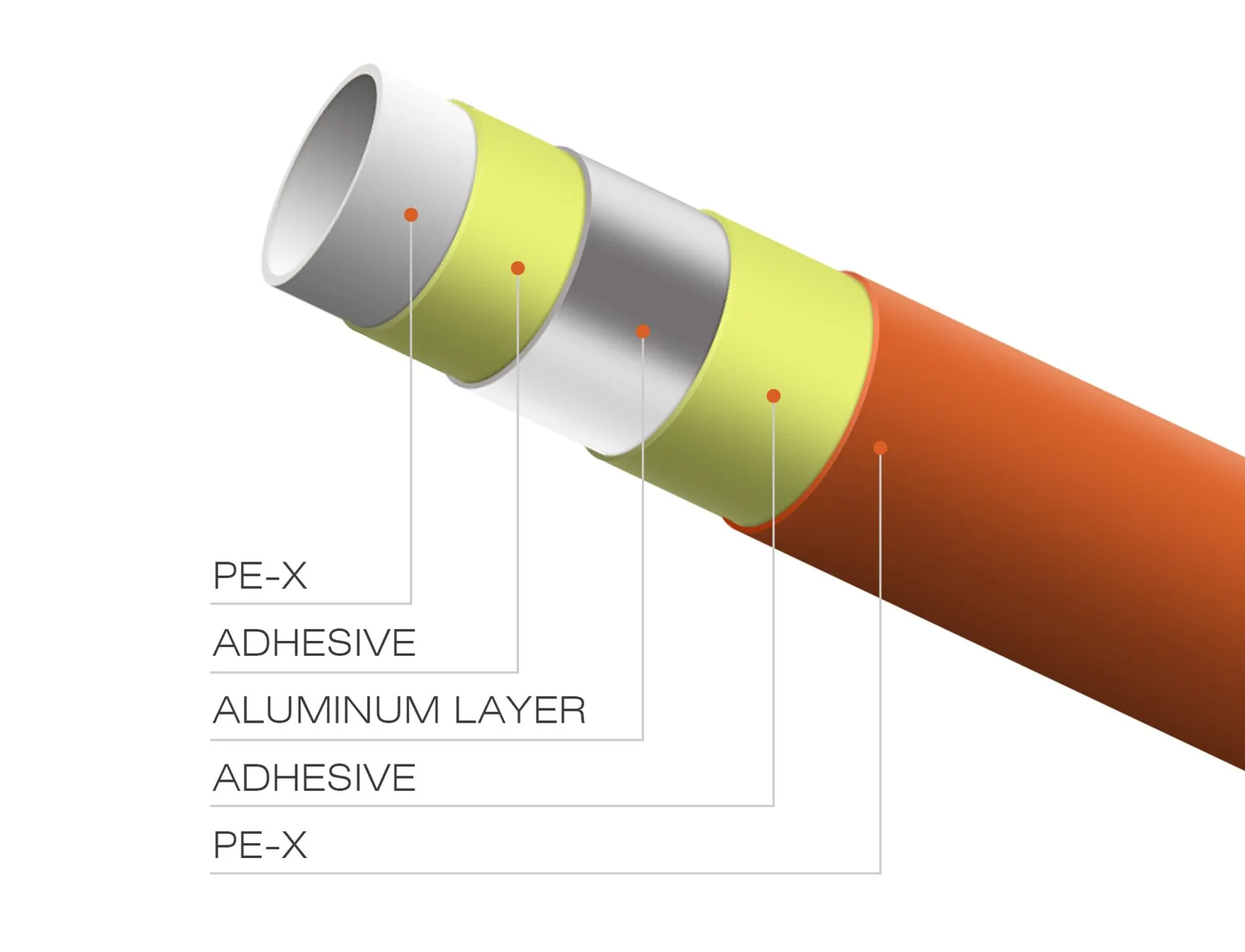
- Composite-surface awareness. BS 6920 has a specific provision for multi-layered products whose water-contact surface differs from the rest — a five-layer PEX-AL-PEX pipe or a copper-lined PPR-CU pipe. What matters for water quality is the wetted inner layer, and that is the surface the testing addresses.
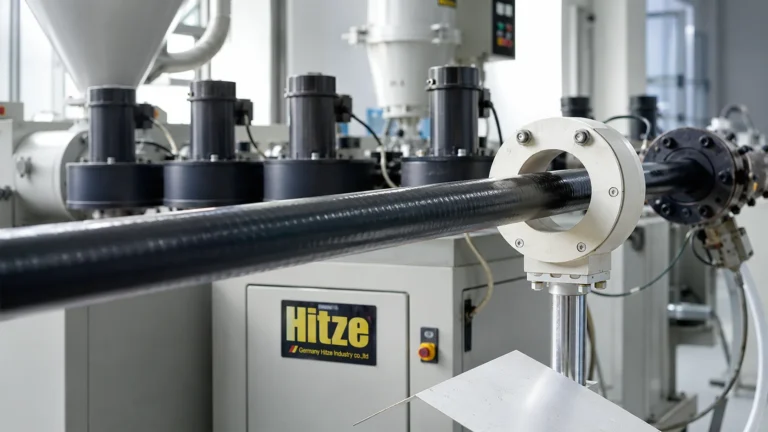
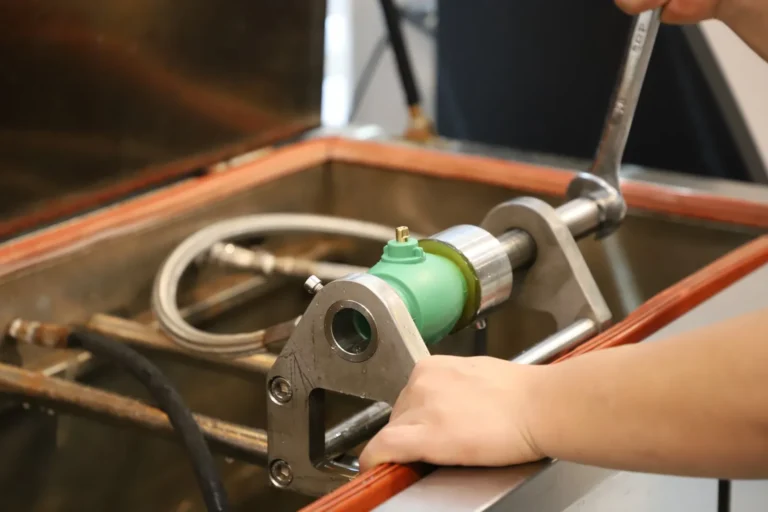
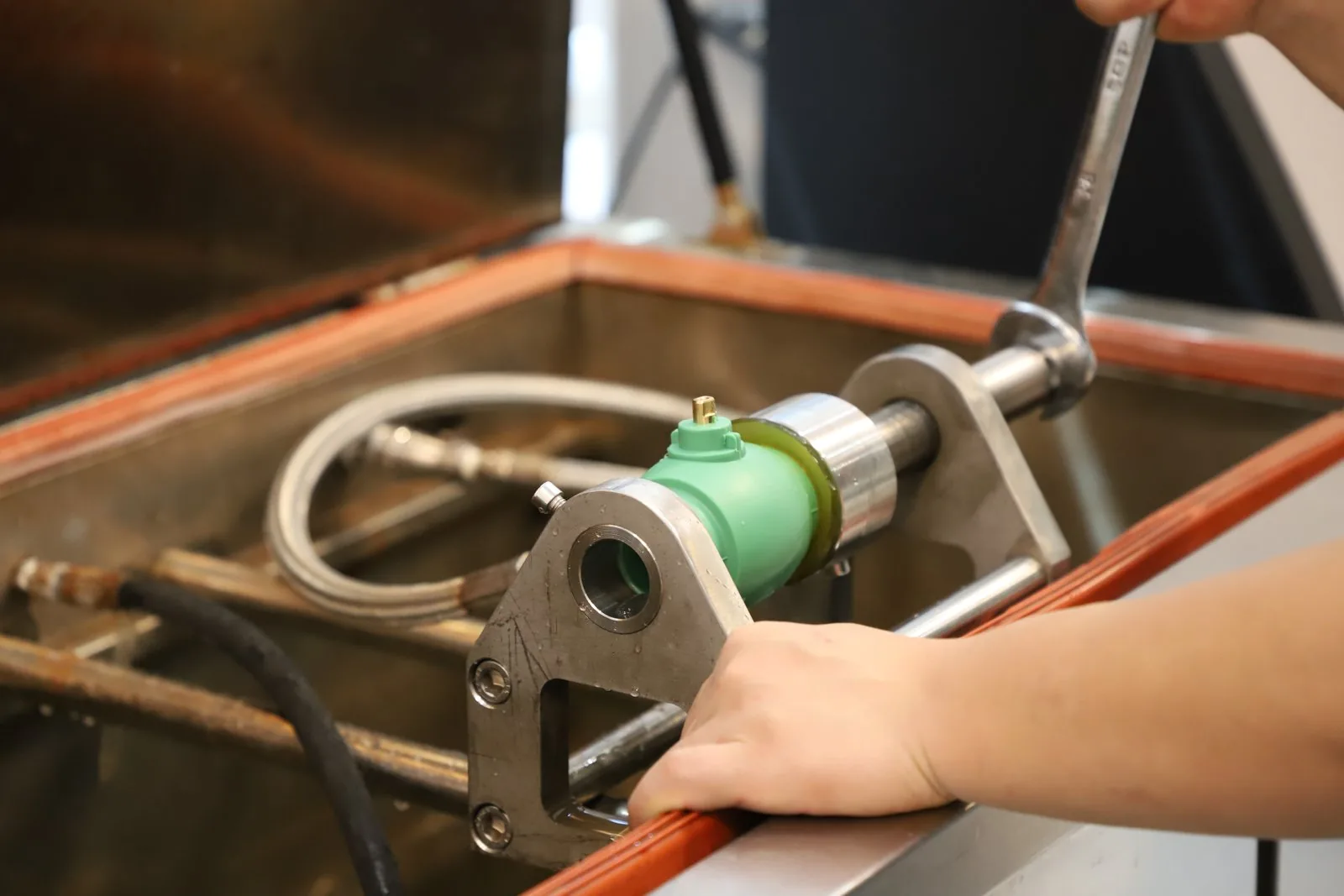
In the plant, potable lines run to a fixed inspection routine: raw compound is checked against its grade before extrusion, wall structure and bore are verified on cut sections, and finished pipe and fittings are hydrostatically pressure-tested against DIN and EN ISO limits. That production control is what stands behind the type-examination and material approvals — a certificate is only as good as the batch consistency underneath it, which is why the same compound that was tested is the compound that ships. Certificate numbers exist on the physical documents and are provided on request; Hitze does not invent or print numbers it cannot back.
A worked scenario: a UK importer’s first container
Picture a merchant bringing in a 40HQ of PP-R pipe and fittings for hot-and-cold domestic supply, to sell to installers who will need to satisfy Building Control and, occasionally, a water undertaker’s inspector. Here is how BS 6920 knowledge changes the outcome at each step.
At quotation. Two suppliers both say “potable, WRAS approved.” Importer A takes it at face value. Importer B asks each for the BS 6920 report and the WRAS listing reference. Supplier 1 sends a cold-only material report dated 2019 with no hot result. Supplier 2 sends an NSF BS 6920 report covering cold and hot to 65°C plus a current WRAS material approval. For a hot-water pipe, Supplier 2’s evidence actually matches the application; Supplier 1’s does not, and would have to be re-tested before it stood up.
At order. Importer B requests a small sample order first — no minimum quantity — to confirm the physical pipe carries the print markings, class and standard that match the paperwork, and that the wetted surface is the material named in the report. This is a 20-minute check that prevents a five-figure mistake.
At the merchant’s counter, 18 months later. A contractor on a care-home refurbishment asks for documented potable compliance. Importer B pulls a single pack: the BS 6920 report (with its hot result), the WRAS material approval, the DVGW type examination for the mechanical side, and the certificate numbers on request. Importer A is emailing a factory in a different time zone hoping a 2019 PDF will do. Same landed cost per metre; completely different risk position — and only one of them keeps the account.
Who this matters for — and who can skip the deep dive
This matters most if you import non-metallic pipe, fittings, seals, flexible connectors or coated components for UK potable systems, private-label under your own brand, or supply installers who answer to Building Control and water undertakers. For you, the difference between a scoped, current BS 6920 report and a vague “WRAS approved” line is the difference between winning a compliance-sensitive account and losing it in an audit.
This matters less if you deal only in metallic products — those run on NSF/ANSI 61 and lead-free grade rules, a separate track — or if you sell into markets that recognise a different national scheme. Even then, knowing what BS 6920 does and does not cover stops you from over-paying for the wrong certificate or accepting a material report where a product approval is required.
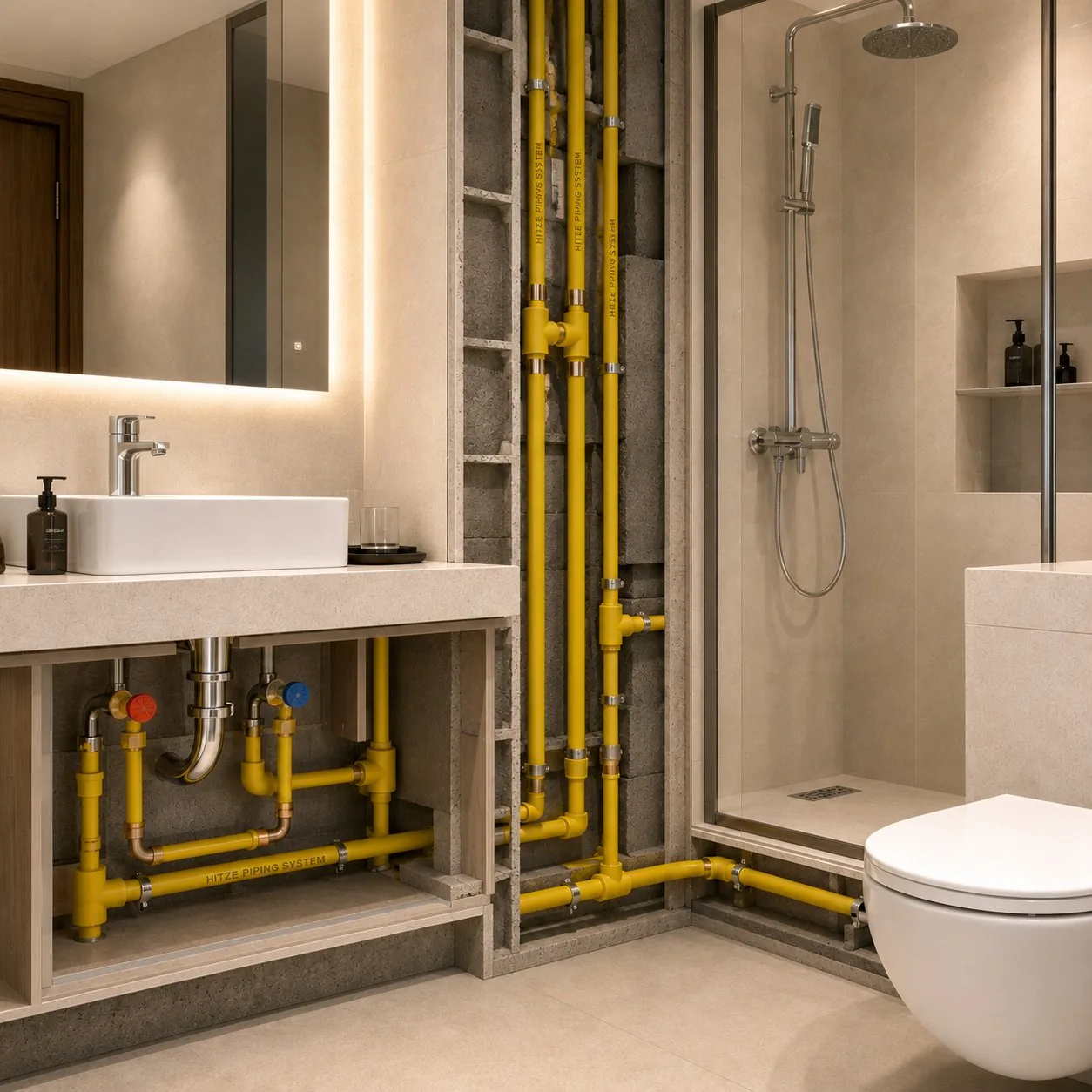
If you are weighing a supplier for UK potable work, start small and verify the paper before you scale. Hitze runs a sample-first, no-MOQ program precisely so you can put the physical pipe next to the BS 6920 report and the WRAS listing before committing to a container, and the matched Hitze pipe-and-fitting system carries a 50-year warranty when specified together. See the current scope on the certifications & compliance page and request the certificate numbers relevant to your market — available on request, never printed as a claim we cannot back.
Frequently asked questions
Is BS 6920 the same as WRAS approval?
No. BS 6920 is the British Standard test method for whether a non-metallic material affects water quality. WRAS is a certification scheme that uses BS 6920 as the test its Material Approvals are judged against. A BS 6920 report from an accredited lab is valid evidence in its own right, but it is not a WRAS “approval” mark — and WRAS also offers a broader Product Approval that adds mechanical testing on top.
Does a BS 6920 pass mean my pipe is fully compliant in the UK?
Not on its own. BS 6920 has no mechanical or pressure testing, so it only proves the material won’t contaminate water. Regulation 4(1)(a) of the Water Supply (Water Fittings) Regulations 1999 also requires the fitting to be of appropriate quality and standard, which you show with the relevant mechanical standard (for PP-R, DIN 8077/8078 and EN ISO 15874). You need both.
Why does the hot-water test result matter so much?
Because a cold pass does not prove hot suitability, and BS 6920 warns the reverse is also true. For a hot-and-cold pipe, the material must conform at both 23°C and its elevated service temperature. A report quoting only one temperature is incomplete for hot-water use — always ask which temperature the hot testing was run at.
How long is a WRAS or BS 6920 material approval valid?
WRAS approvals carry a five-year validity and the material must be re-tested to renew, with no material or manufacturing changes that could affect water safety. A test report reflects the material as tested on that date, so always check the approval is current and that the tested material still matches what ships.
Does Hitze hold a BS 6920 report, and is Hitze made in Germany?
Hitze holds an NSF International Laboratories BS 6920 test report covering hot contact up to 65°C and cold, plus a WRAS material approval — certificate numbers available on request. On origin: Hitze is a German brand, engineered in Germany and built to German DIN standards; it is not marketed as “made in Germany.” What matters for water quality is the documented test evidence behind the material, and that is what the compliance pack provides.
What metals does the extraction test check for?
The extraction of metals test measures elements of health concern — antimony, arsenic, boron, cadmium, chromium, lead, mercury, nickel, aluminium and iron — in a 24-hour extract, and each must stay below UK drinking-water limits, with up to seven extracts allowed to confirm a borderline result.