There is no single, universal maximum temperature for every PPR pipe. A defensible hot-water selection combines application class, design temperature, design pressure, required service life, pipe series or SDR, and the pressure-temperature table for the exact pipe-and-fitting system. A short malfunction temperature must never be presented as a continuous rating.
By the Hitze Technical Content Team · Technical review: 21 July 2026
Why there is no single PPR temperature number
PPR is a material family used by many manufacturers in different wall series, compounds and multilayer constructions. The name “PPR” identifies neither one pressure class nor one design life. Two pipes can share an outside diameter and a PN label yet have different wall thicknesses, compounds, design coefficients, certificates or application-class coverage.
The governing question is not “Will PPR survive this temperature once?” It is “At this temperature profile and pressure, for the required number of years, does the exact system satisfy the relevant application class?” ISO 15874-2 covers polypropylene pipes for hot and cold water installations under design pressures and temperatures appropriate to the application class. ISO currently lists the 2013 edition with 2018 and 2022 amendments and notes that a revision is in progress.
This lifecycle view matters because polymer strength changes with both heat and time. A catalogue may show a high short-duration temperature, but that number cannot be detached from its permitted duration, pressure and test method. Boiler control, recirculation temperature, stagnation conditions, pressure surges and local codes all belong in the design review.
How to read the application-class temperatures
The table below summarizes the domestic hot-water profiles shown in an ISO 10508-based application table in the KAN-therm 2024 technical guide. These are profile values, not universal ratings for every product carrying the PPR name.
| Application profile | Design temperature | Maximum temperature | Malfunction temperature | How to interpret it |
|---|---|---|---|---|
| Class 1 hot-water supply | 60°C for 49 years | 80°C for 1 year | 95°C for 100 hours | A cumulative 50-year profile; 80°C and 95°C are limited-duration conditions. |
| Class 2 hot-water supply | 70°C for 49 years | 80°C for 1 year | 95°C for 100 hours | A more demanding continuous design temperature; the selected pipe series must also pass the required design pressure. |
Need to compare pipe construction, size range and matched fittings?
For distributors, contractors and project buyers comparing PPR hot-water duty.
A 95°C malfunction value is not a 95°C continuous-service claim. It represents a tightly limited abnormal condition within a defined profile. A manufacturer may apply additional restrictions. Aquatherm, for example, describes high-temperature exposure in its own temperature-spike bulletin as malfunction duty and expressly separates extreme testing from normal operation. That evidence applies to the named system, not to all PPR products.
Why allowable pressure falls as temperature rises
PN markings are frequently misunderstood. A PN value is not a promise that the same pressure is available at every temperature for fifty years. As temperature rises, the allowable stress of the polymer decreases; longer exposure also changes the design condition. The manufacturer’s regression data or standards-based pressure-temperature table converts material strength, pipe geometry, safety factor, temperature and time into an allowable operating pressure.
That is why a specification written only as “PN20 PPR for hot water” is incomplete. Start with the application class or complete temperature-time profile, then state the maximum continuous operating pressure at the design temperature. Record the required engineering design life and safety factor on the same schedule so the pressure basis cannot be detached from the intended duration.
The dimensional line should identify the pipe series or SDR, OD × wall and construction. The compliance line should name the applicable product standard and the certificate scope. Apply the same pressure, temperature and compatibility requirements to fittings, valves and transitions; a pipe-only rating is not a complete system rating.
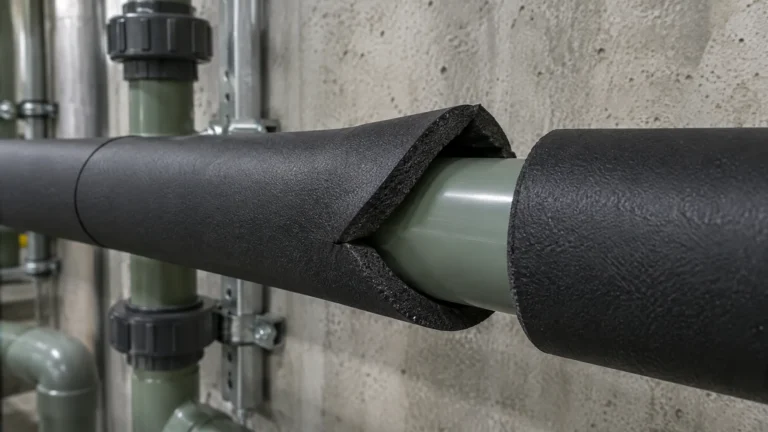
Use the fluid temperature at the pipe—not only the heater setpoint. Recirculation imbalance, a failed mixing valve, solar preheat and poor sensor location can expose a section to a different profile from the control display. Insulation affects heat loss but does not raise the pipe rating. Document the credible worst case and the control response that limits it.
Pressure surges and static head also count. A building with 4 bar static pressure at the plant room does not have 4 bar everywhere under all operating conditions. Pump starts, fast valve closure, elevation and control failure can raise peak pressure. Design pressure should cover credible operating and transient conditions, not merely the normal gauge reading.
SDR, PN and composite construction are different decisions
SDR describes geometry: outside diameter divided by wall thickness. A lower SDR means a thicker wall for the same outside diameter. PN is a nominal pressure designation under stated reference conditions. The two are related, but they are not interchangeable unless the manufacturer also identifies the material and design basis.
For a dimensional selection, use the exact OD × wall thickness and SDR, then check the hot-water table. When comparing alternative constructions, keep temperature qualification separate from features such as expansion control or additives; the PP-R and multilayer system comparison shows why the construction name alone is not a complete specification.
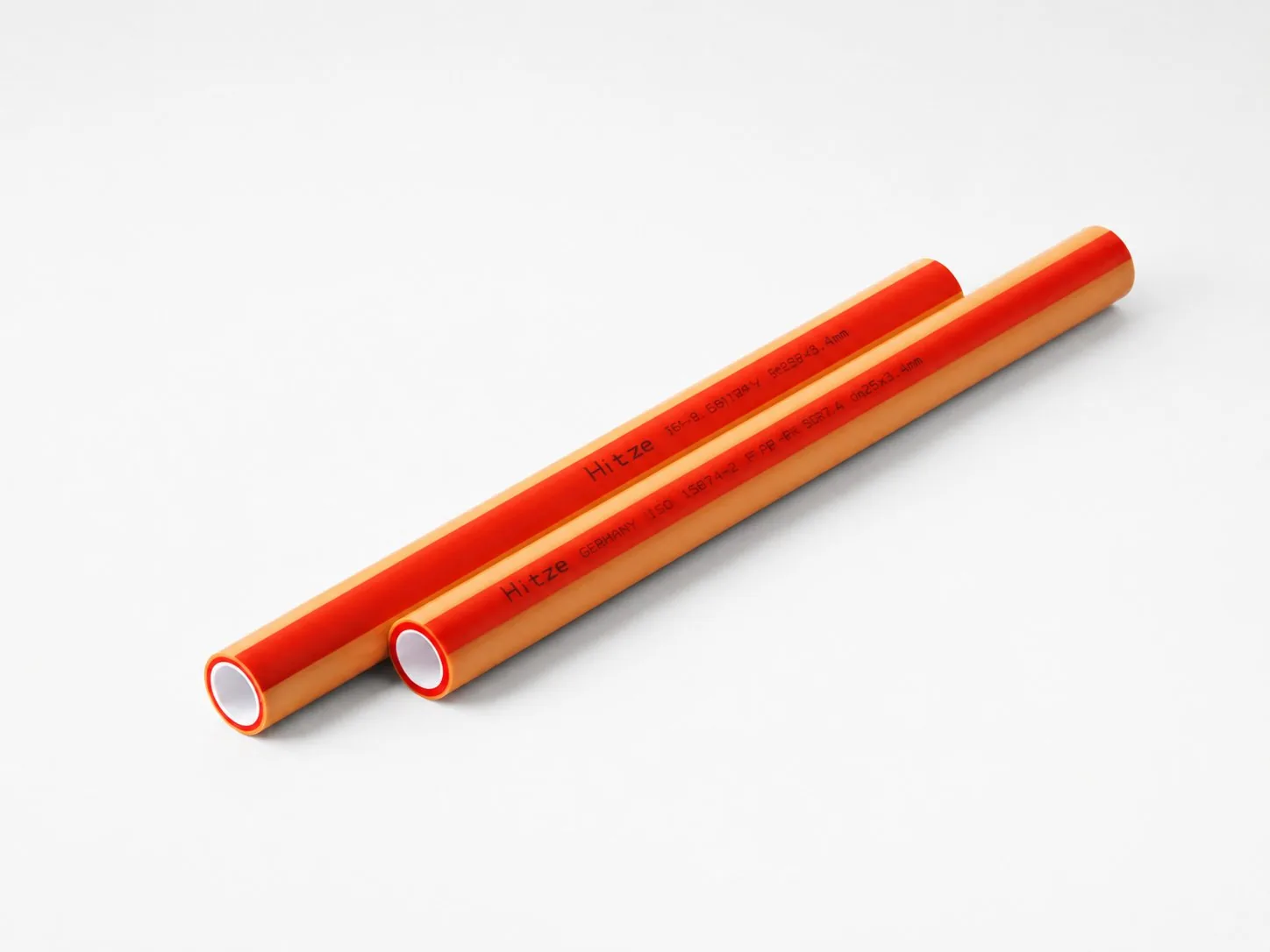
Composite construction solves another problem: thermal movement. A long solid-wall PPR run expands as its average temperature rises. Fiber-glass PPR-FB-PPR or PPR-AL-PPR construction can reduce movement and simplify support design, depending on the manufacturer’s data. The same temperature rise that drives the expansion calculation also tightens the clip schedule — see our guide to PP-R support spacing and thermal expansion.
A practical specification example
Consider a domestic hot-water riser designed for 60°C recirculation, with occasional controlled elevation above that value, 6 bar design pressure at the lowest point and a 50-year design basis. The engineer should first select the appropriate hot-water application class, then confirm that the proposed pipe series and fittings meet 6 bar throughout that profile. Next comes movement analysis, support spacing, insulation, fire-stopping, disinfection compatibility and commissioning.
If the supplier responds only with a 20°C PN value or a burst-test number, the submittal is incomplete. If it responds with a named product series, application class, design pressure, temperature-time table, standards, certificate scope and installation manual, the design team has evidence it can compare.
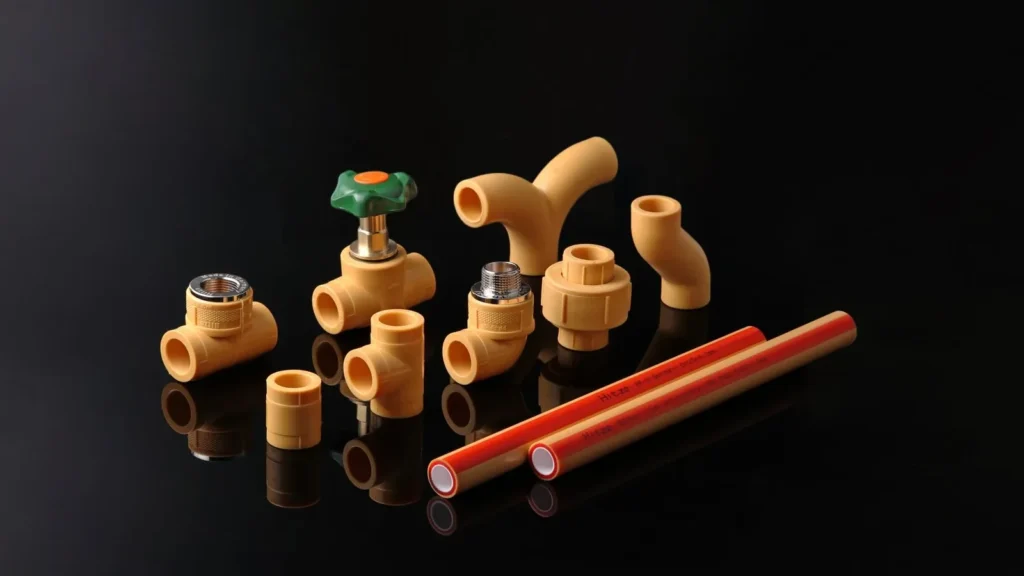
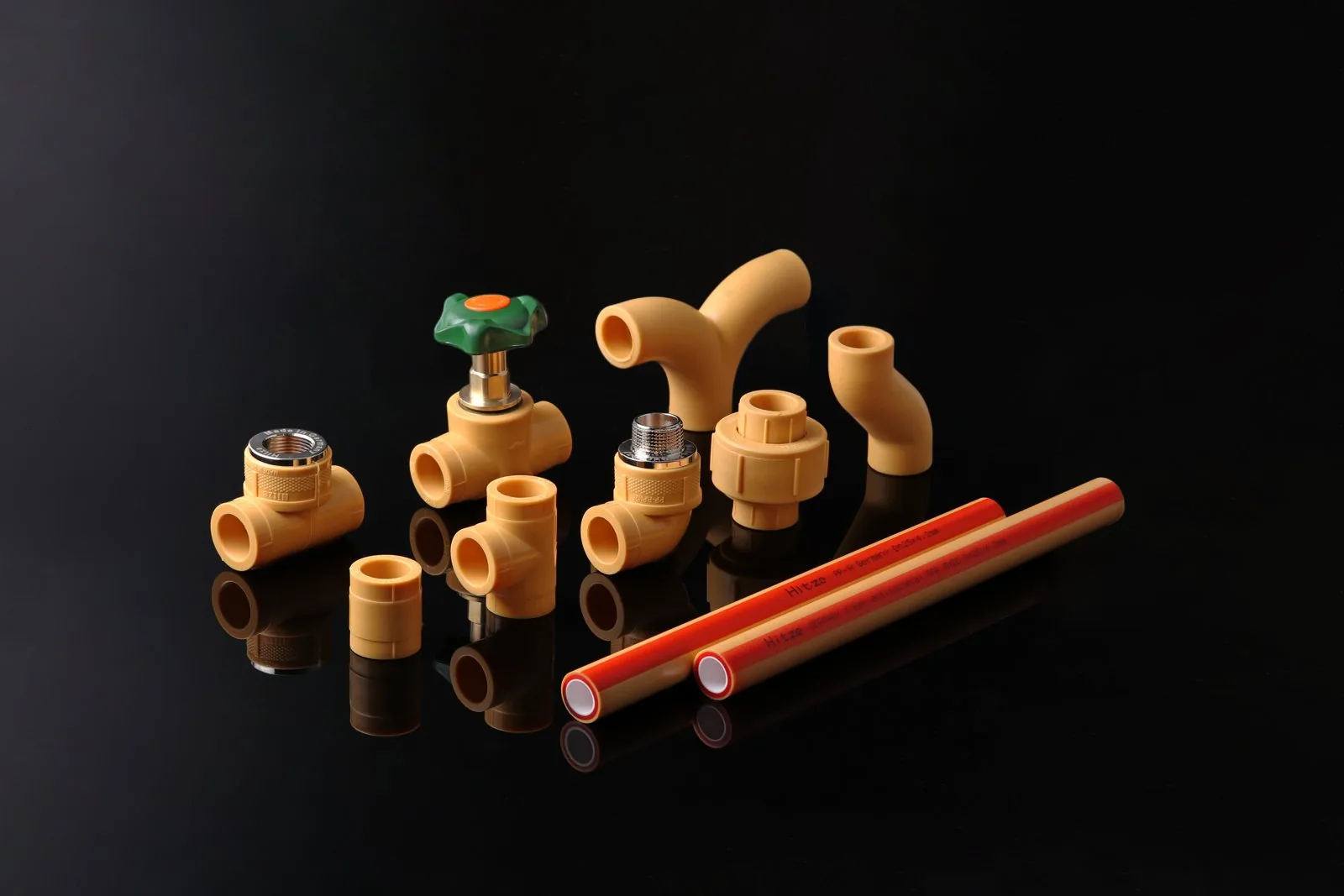
For Hitze, the PPR pipe and fitting range includes ceramic-core, fiber-glass PPR-FB-PPR and PPR-AL-PPR constructions from OD 20 to 110 mm. Those range facts help shortlist a construction; they do not replace project-level verification against the exact duty.
What to request from a PPR supplier
- Exact product identity: compound designation, construction, OD × wall, SDR or pipe series, and fitting family.
- Pressure-temperature evidence: allowable operating pressure for the required application class and design life—not just a room-temperature PN label.
- Standards and scope: current declarations and third-party certificates identifying product type, sizes and intended application. Review the issuing-body and validity details using the certifications and compliance hub.
- System compatibility: pipe, fittings, valves, inserts and fusion tooling covered by the supplier’s installation and warranty conditions.
- Expansion data: linear expansion coefficient, support intervals and anchor/guide instructions for the exact construction.
- Commissioning limits: pressure-test method, flushing, disinfection and maximum permitted temperature during commissioning or thermal treatment.
A useful comparison sheet has one row per product series and separate columns for Class 1, Class 2, design pressure, design life, SDR, certification scope and expansion coefficient. That format prevents an attractive but irrelevant maximum-temperature number from winning the decision.
Bottom line: rate the exact system at the exact duty
PPR hot-water selection is a pressure-temperature-time decision, not a search for one maximum-temperature number. State the application class or full duty profile, design pressure, design-life basis, OD × wall or SDR, and compatible fitting system. Then check those fields against the current manufacturer table and project approvals before accepting a PN label. Hitze’s 50-year product warranty is a commercial feature with quotation-specific terms; it is separate from this engineering design-life calculation.
Frequently asked questions
What temperature can PPR pipe handle?
There is no universal number. Domestic hot-water profiles commonly use 60°C (Class 1) or 70°C (Class 2), but allowable pressure and life depend on the tested system, pipe series and manufacturer’s table.
Can PPR pipe be used at 95°C?
Only if the exact system documentation permits it for the stated duration and pressure. In common hot-water class profiles, 95°C is a limited malfunction condition—100 cumulative hours—not a continuous operating rating.
Is PN20 PPR suitable for 70°C water?
A PN20 marking alone cannot answer that. Check the manufacturer’s 70°C pressure-time table, application class, SDR, design life and fitting rating. The allowable pressure at 70°C will be lower than the room-temperature nominal value.
Does fiber-glass PPR have a higher temperature rating?
Not automatically. Fiber reinforcement is commonly used to reduce thermal expansion. Any higher pressure or temperature capability must appear in the exact product’s standards-based table and certificate scope.
Which standard applies to PPR hot-water pipe?
ISO 15874 is the principal polypropylene piping-system standard for hot and cold water installations. Projects may also require national dimensional standards, potable-water approvals, building codes and manufacturer-specific system documentation.