Key takeaways
- A deposit is unsecured credit you extend to a factory. Your protection is not the percentage — it is the trigger event attached to each payment tranche and the verification you do before the wire leaves.
- 30/70 T/T is a market-typical convention, not a rule. What actually matters is whether the 70% falls due before shipment or against a bill-of-lading copy. Hitze payment terms are discussed per order, not fixed to a formula.
- A letter of credit under ICC UCP 600 swaps trust in a supplier for trust in documents: banks pay against a complying presentation, deal with documents and not goods (Article 5), and have a maximum of five banking days to examine them (Article 14(b)).
- D/P collections under URC 522 are the cheap middle ground — the banks exchange shipping documents for payment but give no payment undertaking and do not examine the documents.
- Business email compromise cost victims $2.77 billion in 2024 (FBI IC3). Any change to beneficiary bank details — however plausible the email — gets verified by voice on a number you already had. Never by reply email.
The fear is specific and it is rational: you wire a five-figure deposit to a bank account on another continent, for pipe you have never held, from a factory you may never have visited. If the goods never ship, no card issuer reverses the charge and no local court reaches the beneficiary. That is why supplier payment terms are the single most negotiated line on a piping purchase order — more than price, more than the Incoterm. This guide walks through every mainstream structure — T/T, L/C at sight, usance credits, D/P, D/A and platform escrow — with the actual rulebooks behind them, which structure fits a first order versus a reorder, and the fraud patterns that should stop your wire mid-keystroke.
Payment terms are a risk split, not a formality
The U.S. International Trade Administration’s methods-of-payment ladder puts it bluntly: cash-in-advance is the most secure method for the exporter and the least secure for the buyer; open account — goods shipped and delivered before payment falls due, typically 30, 60 or 90 days later — is the exact mirror image. Every structure in between is a negotiated split of the same fixed quantity of risk. There is no clever term that makes both sides safe; there are only splits that match the actual trust level between two companies at a given point in the relationship.
In the pipe trade, the split you will hear quoted most often is 30% deposit with the order, 70% balance by telegraphic transfer. Treat that as a market-typical convention — a starting point sellers and buyers both recognize — not as anyone’s published tariff. Hitze, for the record, does not run a fixed formula: payment terms are discussed per order, because a sample shipment, a first trial container and a standing quarterly reorder are three different risk profiles and deserve three different structures.
Here is the insider reframe that changes how you negotiate: the percentage is the headline, but the trigger is the contract. “70% before shipment” and “70% against copy of bill of lading” look similar on a proforma invoice and are worlds apart in practice. The first has you fully paid-in while the goods are still inside the factory gate — you hold nothing. The second means the pipe is manufactured, inspected, loaded and on the water, with a B/L number you can verify with the carrier, before your second wire moves. Same 30/70. Completely different exposure. Negotiate the trigger before you negotiate the percentage.
T/T: the default — and exactly where deposits vanish
A telegraphic transfer is a SWIFT bank wire, and its defining property is finality: once funds are credited to the beneficiary, recall is effectively a request, not a right — it depends on the beneficiary agreeing to send the money back. That finality is why the entire fraud economy targets the wire, and why every control in this article happens before you hit send, not after.
First, understand why the deposit exists, because a deposit request is not itself a red flag. When a factory confirms your order, it buys raw material against it — PEX and PP-R resin, aluminium strip for multilayer core, brass bar for fittings — and runs it through extrusion lines that are scheduled weeks out. If you cancel after production starts, the factory eats material and machine time. The deposit is the factory’s insurance against you. A supplier who asks for 0% down on a first order is either enormous, desperate, or not planning to ship at all — and two of those three should worry you.
The dangerous variants are easy to name. A 50%-plus deposit on a first order concentrates too much of the trade in the blind period before anything exists. “Balance before shipment” — sometimes dressed up as “balance on production completion” — has you 100% paid while the goods sit in the supplier’s warehouse under the supplier’s control. And 100% upfront to a new counterparty is the worst seat at the table: the trade.gov ladder’s least-secure position, taken voluntarily. The structure a careful importer should push for on T/T is sequenced: deposit on order, third-party inspection on production completion, balance against B/L copy after the goods are on the water.
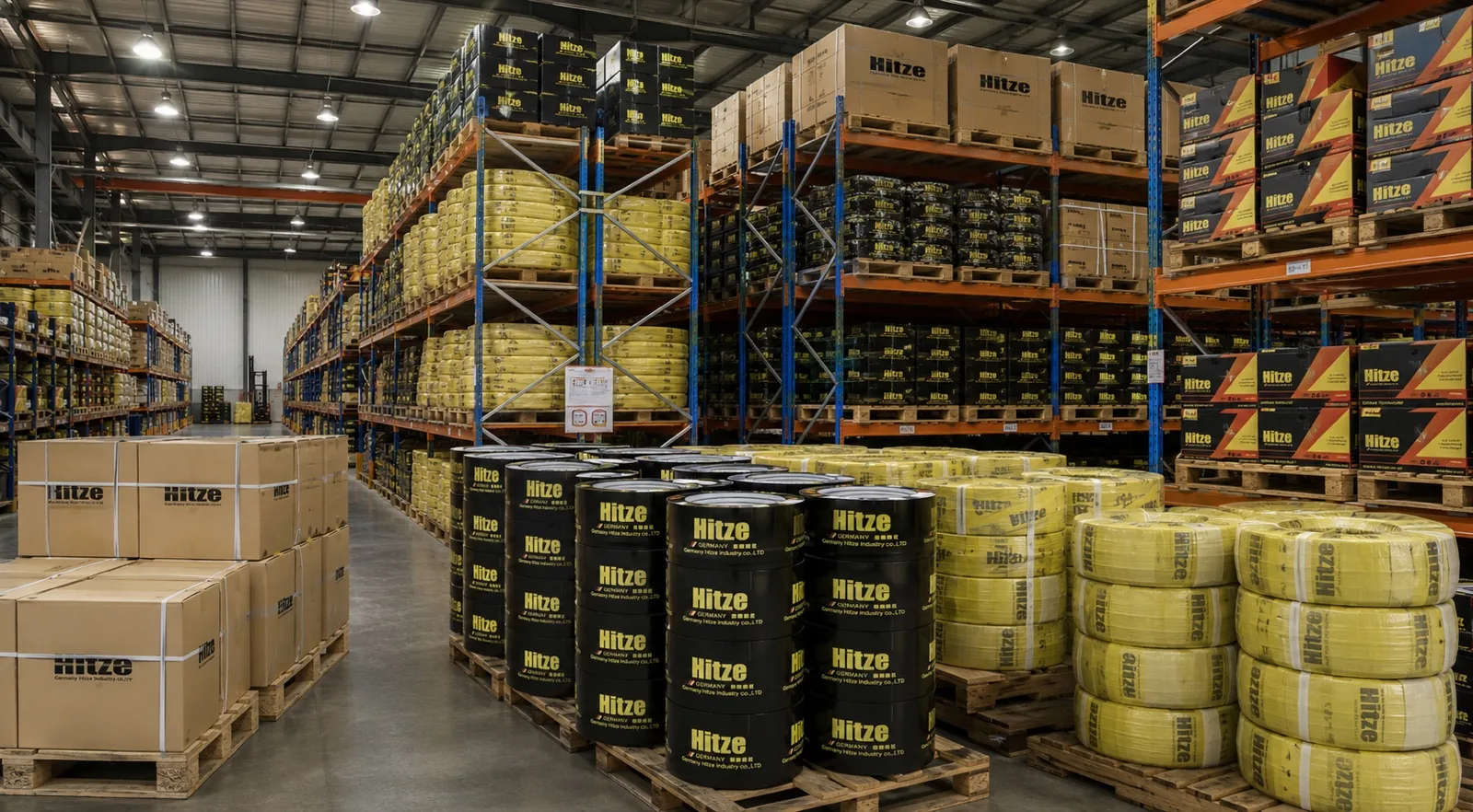
Balance-against-B/L-copy deserves a mechanical explanation, because it is the workhorse of the pipe trade and it protects both sides at once. The supplier ships and receives the bill of lading from the carrier, then sends you a copy. You verify the B/L against the carrier’s own tracking, wire the balance, and only then does the supplier release the original bills (or issue a telex release) that let you take the cargo at destination. The supplier is never unpaid and out of possession; you are never fully paid-in and empty-handed. Where exactly risk of loss or damage sits during the voyage is a separate question decided by your Incoterm, not your payment term — that split is covered in our guide to FOB vs CIF vs DDP for pipe imports.
Letters of credit under UCP 600: paying against documents, not promises
A letter of credit at sight replaces the question “do I trust this supplier?” with “does this presentation comply?”. Your bank issues an undertaking to pay the supplier when — and only when — the supplier presents the exact documents the credit stipulates: typically the bill of lading, commercial invoice, packing list, and whatever else you write in, such as a third-party inspection certificate. Nearly every documentary credit in world trade runs on one rulebook: the International Chamber of Commerce’s UCP 600, in force since 1 July 2007, a set of 39 articles that both banks apply regardless of where the buyer and seller sit.
Two articles do most of the work for an importer’s mental model. Article 5 states that banks deal with documents and not with goods, services or performance — the bank will never open a carton or pressure-test a coil, so an L/C protects you against paying before shipping documents exist, not against bad pipe. The fix is to make quality a document: name an inspection company in the credit and require its certificate as a stipulated document, and now the supplier cannot draw a cent until an independent inspector has signed off. Article 14(b) gives each bank a maximum of five banking days following presentation to determine whether it complies — which is why an at-sight credit still pays out days, not hours, after the documents land.
The trade-off is cost and friction, and it is real. Between issuance, advising, document examination, amendments and courier fees, the all-in bank cost of a smaller credit typically runs somewhere in the region of 0.5%–2% of its value, and discrepancy fees — charged when the supplier’s documents miss the credit’s wording, which happens constantly with first-time L/C users — stack on top, commonly tens to low hundreds of dollars per presentation. Your bank will also usually block part of your credit line or demand cash margin while the L/C is open. None of that money buys you pipe; all of it lands in the same per-unit arithmetic we walk through in the landed cost of imported pipe breakdown. The honest recommendation: an L/C at sight earns its fees when the order is large enough that losing a T/T deposit would genuinely hurt, when the counterparty is unproven, or when your market’s banking practice expects it. On a small trial container, the fees can approach what a deposit-gone-wrong would have cost — use escrow or a sequenced T/T instead.
Usance L/Cs, D/P and D/A: the middle ground
A usance (deferred payment) L/C keeps the same UCP 600 documentary machinery but moves the payment date: instead of paying at sight, the bank pays at a fixed tenor — commonly 30, 60 or 90 days after sight or after the B/L date. For an importer this is the best cash-flow instrument in the toolkit: the goods can be landed, cleared and even partly sold before the credit matures, mirroring the 30/60/90-day open-account windows trade.gov describes, but with a bank undertaking wrapped around them. Two caveats: suppliers price the tenor into the quote (they are financing you), and the discipline on documents is identical to a sight credit — a discrepant presentation delays a usance L/C just as thoroughly.
Documents against payment (D/P) drops the bank undertaking to drop the cost. Under the ICC’s Uniform Rules for Collections, URC 522 — the 1995 revision, in force since 1 January 1996 — the supplier’s bank forwards the shipping documents to your bank, and your bank hands them over only when you pay. No bank promises anything: URC 522 is explicit that banks handle the documents but do not examine them. For you as the buyer, D/P has a quietly attractive shape — you pay nothing until the goods are shipped and the documents controlling them are sitting at your own bank. The reason you will rarely be offered it on a first order is that the risk sits with the supplier: if you walk away, their container is on the water or at your port with no deposit to cushion the loss. Documents against acceptance (D/A) goes further still — you get the documents merely by accepting a time draft, and the supplier waits unsecured for maturity — which is why D/A is effectively open-account credit and is offered only to long-standing, proven buyers, if at all.
| Structure | You pay when | Main risk holder | Best fit |
|---|---|---|---|
| T/T deposit + balance vs B/L copy | Split: order date / after shipment | Shared — buyer risks deposit only | Most orders once supplier is verified |
| L/C at sight (UCP 600) | On complying documents | Banks intermediate both sides | Large first orders, unproven counterparties |
| Usance L/C | 30/60/90 days after sight or B/L | Supplier finances the tenor | Reorders needing cash-flow room |
| D/P (URC 522) | At your bank, against documents | Supplier — ships before payment | Reorders with mutual track record |
| D/A | At draft maturity, after goods release | Supplier — unsecured credit | Long-standing partners only |
| Platform escrow / Trade Assurance | Upfront, but held by the platform | Platform intermediates | Trial orders, first-time counterparties |
Escrow and Alibaba Trade Assurance: platform protection for trial orders
For a first, modest order, platform escrow is the cheapest way to neutralize the deposit fear. Under Alibaba Trade Assurance, your payment is held and released to the supplier only after you confirm receipt or the inspection window lapses; if the supplier ships late or the goods miss the agreed specification, you can apply for a refund within 30 days of delivery. The dispute path is defined: if the supplier does not respond within five days, or you cannot reach a resolution within 15, you escalate and the platform rules on the evidence. The service costs the buyer nothing.
Two limits keep escrow from being the whole answer. First, the protection only exists if you pay through the platform — which is exactly why the oldest fraud move in the book is coaxing you off it: “pay our company account directly and save the processing fee.” The moment you agree, the escrow, the dispute path and the evidence trail all evaporate, and you are back to an unsecured wire. Treat any off-platform payment suggestion on a platform-originated deal as a disqualifying event. Second, a quality dispute is only as strong as the specification written into the online order. “PEX-A pipe, good quality” is unenforceable; “16 mm PEX-a, oxygen-barrier to DIN 4726, per signed sample HZ-2026-03” gives an adjudicator something to rule on. Importers who win disputes wrote the order like a contract; importers who lose wrote it like a chat message.

First order vs reorder: matching the term to the trust level
Payment terms should mature with the relationship, and the sequence most professional importers run looks like this. Stage zero costs almost nothing: order samples and pay only the sample and courier charge. This is where a no-MOQ, sample-first supplier changes the math — you are testing extrusion quality, marking, packaging and responsiveness with two figures of exposure, not five. Stage one is the trial container: platform escrow if the deal size fits, otherwise a market-typical 30/70 T/T with the balance strictly against B/L copy and a third-party inspection before release — or an L/C at sight if the first order is big enough to justify the bank fees. Stage two, reorders: stay on T/T but negotiate — a supplier who has been paid on time twice will often discuss a lighter deposit, because your track record is now collateral.
Stage three is where payment terms stop being a per-order negotiation and become a program. Distributors running scheduled container volumes move to usance L/Cs or negotiated credit windows, and payment terms get written into the distribution agreement itself alongside territory and volume commitments — the mechanics of that document are covered in our guide to exclusive territory distribution agreements with a pipe factory. If you are mapping that path with Hitze specifically — from first sample to standing reorder program — the importer and distributor program page sets out how the commercial relationship is structured; terms at every stage are discussed per order rather than imposed from a rate card.

Red flags that should stop your wire
Most deposit losses are not sophisticated. They follow a handful of patterns, and every one of them is visible before the money moves — if you look.
A personal bank account as beneficiary. You are contracting with a company; you pay a company. A factory doing genuine export volume has a corporate account in the exact name that appears on the proforma invoice, the sales contract and its certifications. “Please pay our finance manager’s account this month” has no legitimate version on a first order. Close behind is the almost-matching beneficiary name: the contract says one entity, the account says a near-identical name with a different suffix or jurisdiction. You cannot tell a lazy trading-company arrangement from theft at your desk, so the rule is absolute: beneficiary name matches contract seller name exactly, or the wire waits. Cross-checking the entity against its verifiable registrations — the way Hitze’s German trademark (DPMA Reg. No. 30 2020 005 484) or its SKZ and DVGW certificate holder names can be checked against the issuing registers — takes minutes and removes the guesswork.
Changed bank details by email, mid-transaction. This is business email compromise, and it is an industry. The FBI’s Internet Crime Complaint Center logged $2.77 billion in BEC losses across 21,442 complaints in 2024 — the second-costliest crime category in a record $16.6 billion cybercrime year. The pattern in trade is precise: attackers compromise or convincingly spoof a supplier’s mailbox, watch the correspondence for weeks, and strike in the window between proforma invoice and balance payment with a plausible email — same signature, same thread — announcing “updated bank details.” The defense is procedural, not technological: any change to beneficiary details is confirmed by voice, on a phone number you already had from before the change was requested, or on a video call with a contact whose face you know. Never by replying to the email that announced the change — you may be talking to the attacker. Write a no-changes clause into the proforma invoice (“beneficiary account changes are not accepted by email”), and on first wires to any new account, send a small test amount and confirm receipt by voice before releasing the balance.
Urgency plus a third company. “Our account is under audit / annual review — please pay our partner company this week to hold your production slot.” Every element of that sentence is a flag: the time pressure, the account excuse, the unrelated beneficiary. A factory with 50 years of operations does not need your wire re-routed through a stranger to keep an extrusion line running. Slow the transaction down; a legitimate supplier will respect the caution.
| Red flag | What it usually means | Your move |
|---|---|---|
| Personal account as beneficiary | No real corporate entity behind the deal | Walk away, or demand the corporate account on the contract |
| Beneficiary name almost matches the seller | Undisclosed intermediary — or interception | Freeze until names match exactly, verified by voice |
| New bank details by email mid-order | BEC — the classic strike window | Voice-verify on a previously known number; test transfer first |
| “Pay our partner company urgently” | Manufactured urgency to bypass your checks | Stop; re-confirm through a second channel before anything moves |
What Hitze checks before your balance falls due
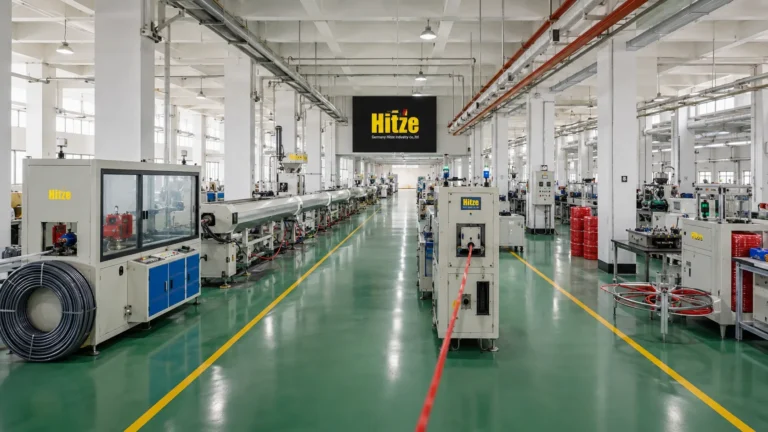
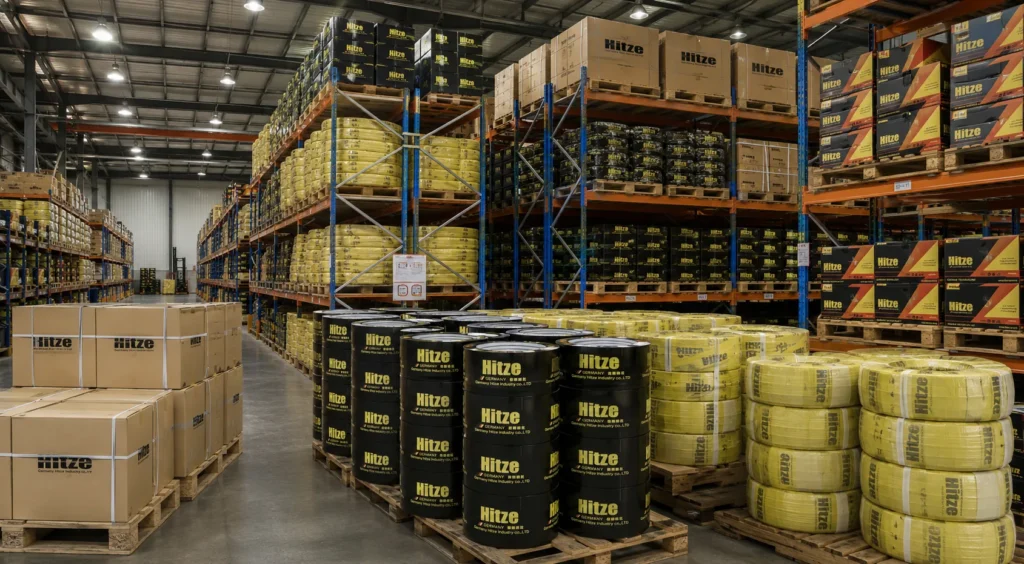
Payment security is downstream of production discipline: an importer’s balance payment is only ever as safe as the goods behind the B/L copy. Hitze has run pipe production since 1974 from a 120,000 m² base with 1,000+ employees, shipping to 118+ countries, and the pre-shipment sequence is built to be verified by outsiders, not taken on faith. Pipe is produced to the standards printed on it — DIN 8077/8078 and EN ISO 15874 for PP-R, DIN 4726 oxygen-barrier for heating pipe — and batches pass hydrostatic verification on rows of dedicated pressure-test benches before packing. The certification pack that travels with a shipment is independently checkable: SKZ test certificates from Germany, DVGW type examination for potable-water PP-R, WRAS material approval in the UK, NSF laboratory potable-water test reports, and ISO 45001 management-system registration, with further listings available on request.
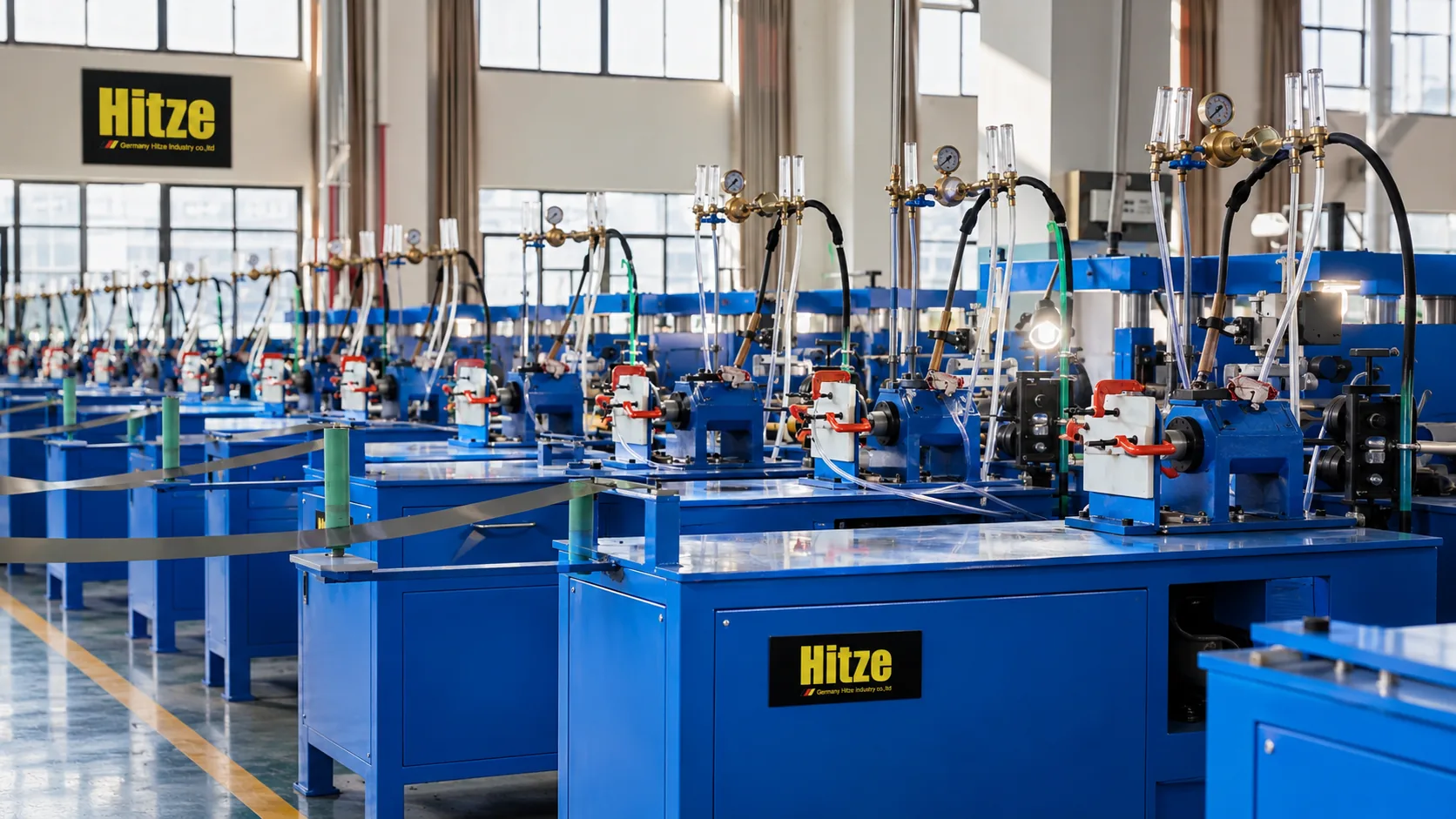
Two policies matter specifically to the payment conversation. First, third-party pre-shipment inspection is welcome — your inspector, your checklist, on the floor before the balance trigger fires — which converts “trust us” into a document you can attach to an L/C or a T/T release decision. Second, the commercial structure removes the pressure to over-commit early: there is no minimum order quantity, so a relationship can start with samples and a small trial order sized to your risk appetite, and the matched pipe-and-fitting system carries a 50-year warranty. Payment terms themselves are discussed per order — the right split for your first container is not the right split for your tenth.
Worked scenario: a first container, from enquiry to balance
Put the whole sequence together with a hypothetical. A Rotterdam-based distributor wants a $48,000 trial container: 16 and 20 mm oxygen-barrier PEX coils, multilayer PEX-AL-PEX, and press fittings. Stage one costs a courier bill: samples arrive, get sectioned, and the coil markings are checked against the datasheets. Stage two, the proforma invoice lands, quoting FOB with a production window agreed on the PI. The distributor verifies the seller entity against its certificate registers, confirms the corporate beneficiary account by voice on the number from the company’s own website — not the PI footer — and wires a market-typical 30% deposit: $14,400. Total exposure at this point, worst case: $14,400, against a counterparty whose registrations, certificates and factory checked out.
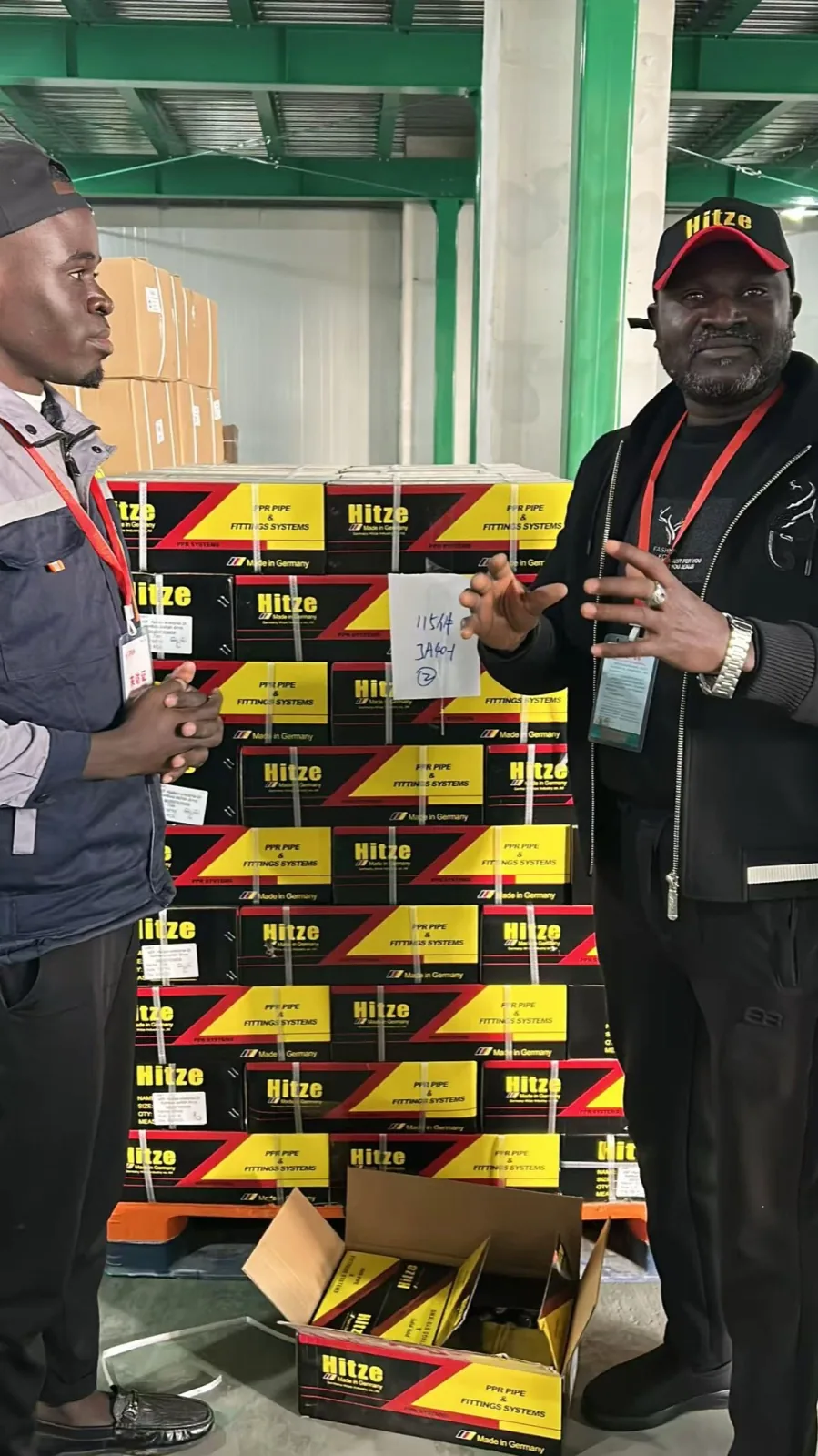
Production completes; the distributor’s inspection company attends the factory, checks dimensions, markings, hydrostatic test records and loading, and issues its report — before the container is sealed. Goods ship; the B/L copy arrives and is verified against the carrier’s tracking; the $33,600 balance is wired to the same account as the deposit (any change would have frozen the transaction); originals are telex-released; the container clears. At no point was the distributor both fully paid-in and out of possession. From here, duty, freight and clearance stack onto the invoice value — the arithmetic continues in the landed-cost breakdown — and the second container starts a payment-terms conversation from a fundamentally better position: one clean cycle of performance on both sides.
Had the same distributor been risking $250,000 on a first order instead, the calculus flips: an L/C at sight with the inspection certificate as a stipulated document would be worth every basis point of bank fees, because the deposit-loss scenario it eliminates is no longer survivable pocket change.
Who this is for
If you are an importer or distributor buying plumbing and heating pipe by the container into North America or Europe — and the thing standing between you and a new supplier is the fear of wiring a deposit into the dark — the structural answer is a counterparty that does not ask for a leap of faith: verifiable registrations, third-party inspection welcomed, no MOQ so the first order can be as small as your caution demands, and a 50-year warranty on the matched system. That is the model behind the Hitze importer and distributor program — start with samples, agree terms per order, and let the track record do the negotiating from there.
FAQ
Is 30/70 T/T the standard payment split for pipe imports?
It is the most commonly quoted market convention, not a standard anyone publishes. The percentage also matters less than the trigger: 70% against bill-of-lading copy is a fundamentally safer structure for the buyer than 70% before shipment. Hitze does not run a fixed formula — payment terms are discussed per order.
Is a letter of credit safer than T/T for a first order?
Against non-shipment, yes: under UCP 600 the supplier is paid only against complying documents, so nothing is drawn before shipping documents exist. It does not guarantee quality — banks deal with documents, not goods — unless you stipulate an inspection certificate in the credit. Bank fees typically run roughly 0.5%–2% of the credit value, so an L/C earns its cost on large first orders, not small trial containers.
What is the difference between D/P and D/A?
Both are documentary collections under ICC URC 522. Under D/P (documents against payment), your bank releases the shipping documents only when you pay. Under D/A (documents against acceptance), you receive the documents by accepting a time draft and pay at its maturity — meaning the supplier releases control of the goods on unsecured credit, which is why D/A is reserved for long-established relationships.
How do I protect a supplier payment against email fraud?
Treat beneficiary bank details as unchangeable by email. The FBI’s IC3 recorded $2.77 billion in business email compromise losses in 2024, and the classic strike window is between proforma invoice and balance payment. Verify any change by voice on a number you held before the change was requested, send a test amount on first wires to a new account, and write a no-email-changes clause into the PI.
Does Hitze require a minimum order or fixed payment terms?
No minimum order quantity — the intended path is samples first, then a trial order sized to your comfort. Payment terms are discussed per order rather than fixed, and the matched pipe-and-fitting system carries a 50-year warranty.
Is Hitze pipe made in Germany?
Hitze is a German brand of engineered piping systems — engineered in Germany, built to German DIN standards, with a DPMA-registered trademark and German certification including SKZ test certificates and DVGW type examination. The full certificate pack ships with your order documents, so what you verify before paying is what arrives in the container.