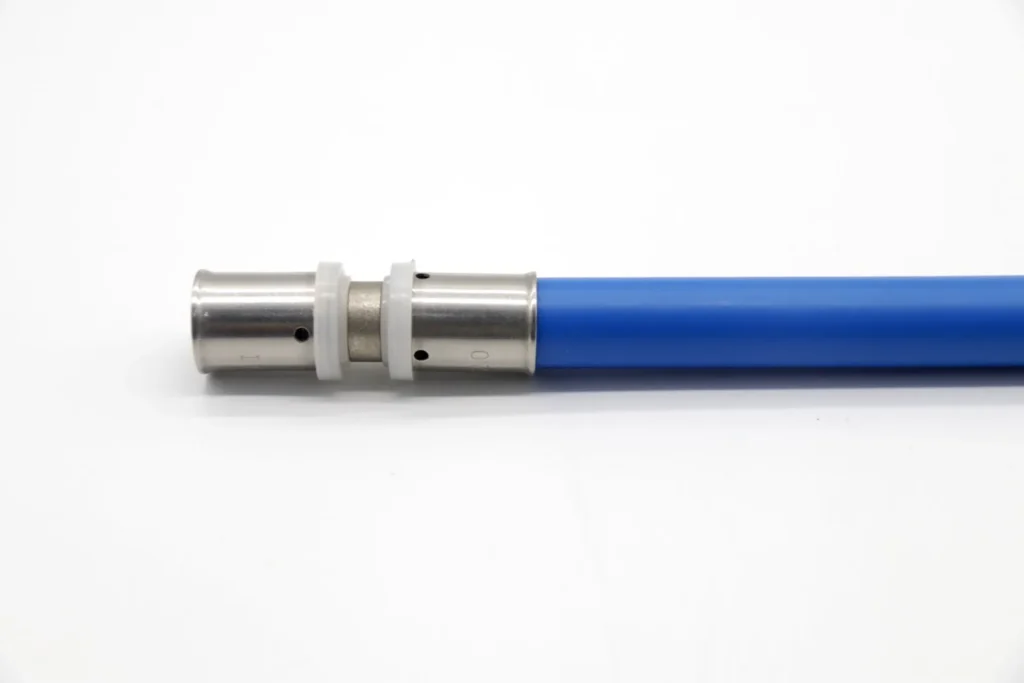
A crew grabs Brand-A pipe off the truck, reaches into a bin of Brand-B fittings because that’s what’s in stock, crimps the joint, and moves on. The pressure test passes. Eighteen months later a fitting weeps behind a finished wall, the homeowner calls the pipe maker, and the first question is: whose fitting is on the end? That single question is where mixed-brand systems quietly fall apart — not always in the leak, but always in who pays for it. This guide on mixing PEX fitting brands separates the joints where mixing is genuinely fine from the ones where it is a warranty trap, and shows how a single-source system removes the argument entirely.
Key Takeaways
- Mechanical is often fine, expansion and fusion are not. Copper-crimp and clamp fittings built to ASTM F1807 (brass) or F2159 (poly) are dimensionally standardized and cross-brand compatible with any compliant SDR9 PEX/PE-RT tubing. Cold-expansion (F1960 vs F2080) and PP-R heat-fusion are effectively closed systems.
- Compatible does not mean warranted. A joint can be code-legal and still fall outside the manufacturer warranty the moment tubing and fitting carry different brands. Warranties are written around a single-brand closed loop.
- The real leak driver is tolerance stack-up. Crimp ring OD, tubing wall and insert diameter each carry a legal tolerance band; mixing brands stacks the extremes and shifts the go/no-go gauge reading toward the failure edge.
- Europe tests the system, not the part. EN ISO 15875-5 certifies “fitness for purpose of the system” — the pipe, fitting and joint together — which is exactly what a mixed assembly has never been tested as.
- Single-source is a liability decision, not a branding one. One brand across pipe, fitting and ring gives you one warranty, one datasheet, one contact when a joint is questioned.
When mixing brands is actually fine — and when it silently isn’t
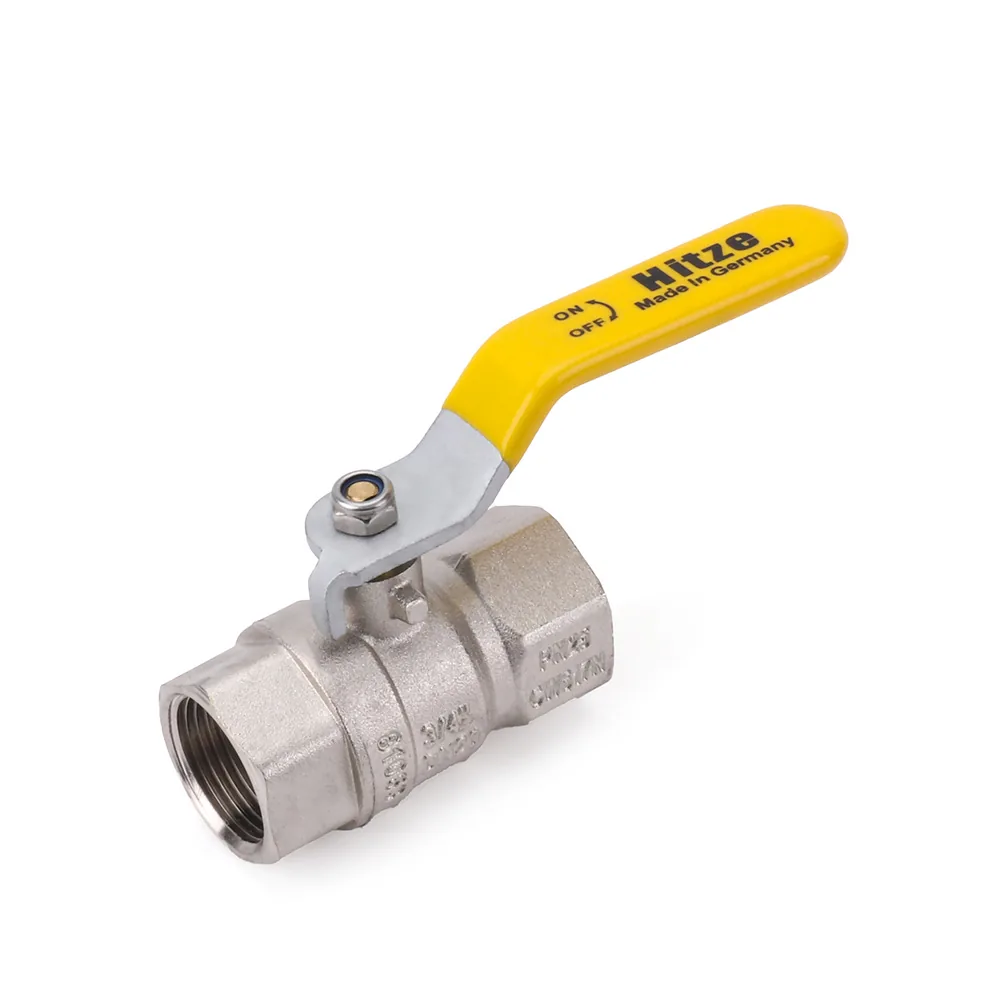
The honest answer that most manufacturer marketing buries is that some PEX joints are genuinely brand-agnostic. The North American crimp and clamp world is open by design. ASTM F1807 governs metal (brass) insert fittings with a copper crimp ring or stainless clamp, and its sister standard F2159 governs the poly-alloy version; both are written for SDR9 PEX and PE-RT tubing, rated to 100 psi at up to 180°F (82°C). F1807 covers nominal sizes 3/8 to 2 inches, while F2159 covers 3/8 to 1 inch. Because the insert diameter, rib profile and ring dimension are all fixed by the standard, a compliant fitting from one maker will mechanically mate with compliant tubing from another — this cross-brand mechanical interchangeability is written into the standards themselves, not a manufacturer’s claim. That is real, and pretending otherwise costs contractors money on legitimate repairs.
Where the “you can mix anything” advice becomes dangerous is the moment you step off the crimp/clamp branch. Cold-expansion PEX-a systems are the trap. ASTM F1960 fittings (the reinforcing-ring style used by ProPEX-type systems) and ASTM F2080 fittings (the metal compression-sleeve style used by RAUPEX-type systems) are both valid standards — and they are not interchangeable with each other or across brands. Each needs its own expander tool head and its own ring or sleeve. Both standards formally cover PEX and, where specified, PE-RT tubing; in practice cold expansion works reliably only with PEX-a, because PEX-b and PEX-c lack the elastic memory that lets the expanded tubing recover onto the fitting. Grab an F2080 sleeve for an F1960 fitting because they “look the same size” and you have built a joint no standard covers. PP-R is the other closed world: a heat-fusion socket weld melts pipe and fitting of the same resin into one continuous wall, so cross-brand fusion depends on matched melt temperature, resin grade and socket dimension that no two catalogs guarantee.
Best for mixing / not for mixing
- Tolerable to mix (mechanically): F1807 brass crimp, F2159 poly crimp, and stainless clamp joints on standard PEX-b or PE-RT — where a coded repair or a stock-out forces a same-standard substitution and warranty is not the priority.
- Do not mix: cold-expansion PEX-a (F1960 vs F2080), any push-fit system relying on a brand-specific collet and O-ring geometry, PP-R heat-fusion, and multilayer press systems where the jaw profile and sleeve are tuned to one pipe OD tolerance.
- Never mix on anything you are warranting to a client: if your name is on the workmanship guarantee, a mixed joint hands the manufacturer a clean reason to decline the material claim.
The warranty gap: compatible is not the same as covered
Here is the distinction that costs contractors the most: a joint being physically compatible and a joint being warranted are two different tests, and they almost never overlap in a mixed system. Manufacturer warranties are deliberately written around a closed loop. Read the fine print of the major PEX-a brands and the language is consistent. Viega’s own PureFlow warranty, for example, states it “does not extend any warranty on its components used in systems with tubing, fittings, manifolds, or press sleeves not sold by Viega” — coverage holds only when the maker’s own tubing, fittings, rings and press sleeves are used together, and explicitly excludes systems built with components the maker did not sell. Some brands are even stricter, tying coverage to a licensed installer. Nothing in code stops you from crimping Brand-A pipe to Brand-B fitting; the standard was met. But the system warranty — the one you quietly rely on when you tell a client “this is covered” — evaporated at that joint.
The practical consequence lands on the contractor, not the manufacturer. When a mixed joint weeps, the pipe maker points at the fitting brand, the fitting maker points at the tubing, and both point at the installer for combining them. There is no single warranty holder to make whole, so the water damage, the drywall, the callback labor and the reputational hit default to you. That is why the smarter framing is not “will it leak?” but “if it leaks, who is contractually on the hook?” A single-brand system answers that with one name. A mixed system answers it with a finger-pointing exercise you will lose.
Why mixed joints leak more: tolerance stack-up, in plain numbers
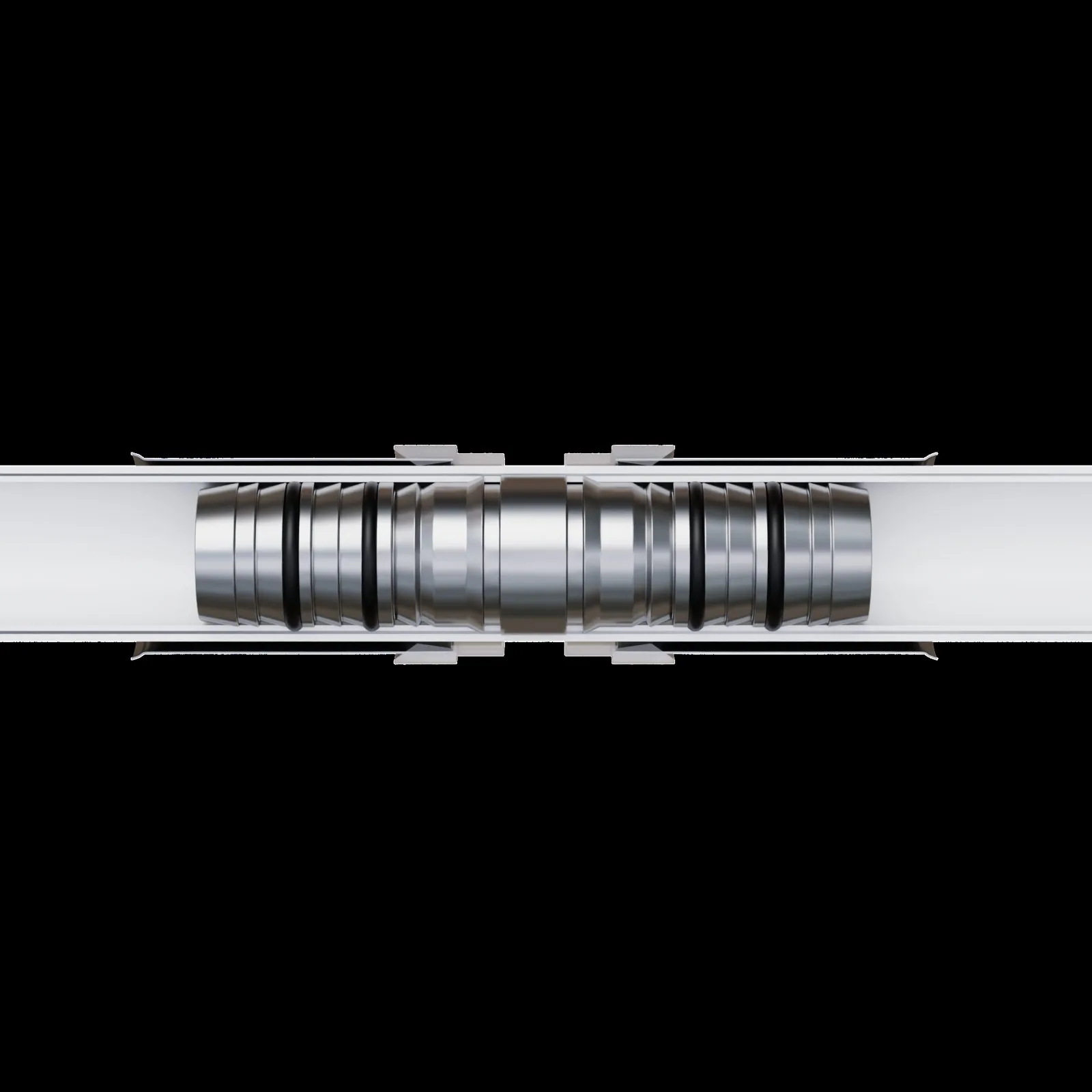
Leaks in mixed systems are rarely random. They come from tolerance stack-up — the fact that every component in a joint is manufactured to a legal range, not a single number. A crimp ring has an allowable OD band. The tubing has an allowable wall thickness and OD band. The fitting insert has its own diameter tolerance. When pipe, ring and fitting all come from one program, the maker tunes those bands so the extremes still land inside a sealing envelope. When they come from three programs, you can stack a ring at the loose end of its band onto tubing at the thin end of its wall over an insert at the small end of its diameter — three legal parts that together sit at the edge of, or past, a reliable seal.
This is exactly why the crimp go/no-go gauge matters and why it can betray you across brands. The gauge verifies the finished crimp OD against the ring maker’s spec. Calibrate against Ring A, crimp Ring B, and a “pass” on the gauge can still be a marginal joint because the two rings targeted slightly different finished dimensions. On expansion and press systems the effect is sharper: a pressed O-ring is designed for one pipe-OD tolerance, so a half-millimetre of OD drift from a different pipe brand moves the seal off its designed compression — invisible on install day, a slow weep under thermal cycling. The failure mode is almost never a burst; it is a joint that seeps just enough, just late enough, to surface after the walls are closed.
| Joint type | Governing standard | Cross-brand mixing | Primary leak risk when mixed |
|---|---|---|---|
| Copper crimp / clamp (brass) | ASTM F1807 | Standardized — mechanically OK | Ring/gauge mismatch at tolerance extremes |
| Copper crimp / clamp (poly) | ASTM F2159 | Standardized — mechanically OK | Insert-diameter drift, warranty still voided |
| Cold expansion (PEX-a, ring) | ASTM F1960 | Tool-locked — do not mix | Wrong ring/expander, incomplete memory recovery |
| Cold expansion (PEX-a, sleeve) | ASTM F2080 | Proprietary — do not mix | Sleeve/fitting geometry mismatch |
| Multilayer press | EN ISO 21003 / 15875-5 | System-tested — do not mix | O-ring off designed compression; jaw-profile mismatch |
| PP-R heat fusion | EN ISO 15874 / DIN 8077-8078 | Homogeneous weld — do not mix | Resin/melt/socket mismatch, cold or over-fused weld |
One nuance worth stating plainly for the European and multilayer market: EN ISO 15875-5 certifies the fitness for purpose of the system, not the individual part. It tests joints between pipes (Part 2) and fittings (Part 3) as an assembled whole under real pressure-temperature classes. A mixed assembly has, by definition, never been submitted for that system test — so even where each part carries its own certificate, the combined joint you built has no system-level fitness data behind it. That is the technical version of the warranty gap.
How Hitze builds a single-brand system so the question never comes up
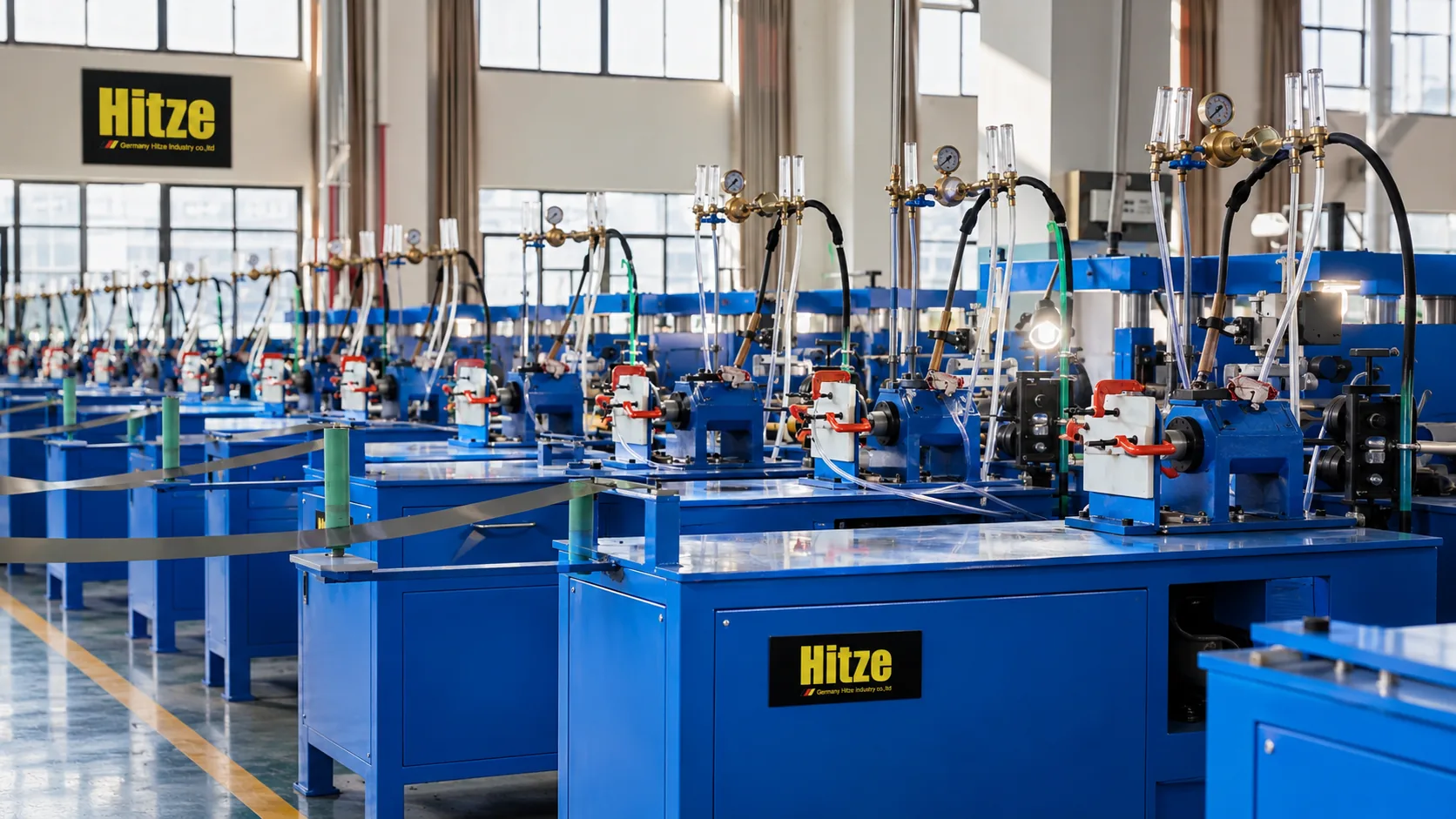
The reason single-source removes the mixing risk is not marketing — it is that one manufacturer controls all three tolerance bands at once. As a German brand engineered to German DIN standards and building piping systems since 1974, Hitze develops pipe and fittings against one internal dimensional spec, so the crimp ring, the pipe OD and the insert diameter are tuned to sit in the middle of the sealing envelope together, not at three independent extremes. Hitze builds pipe to DIN 8077/8078 and EN ISO 15874 for PP-R, DIN 4726 for oxygen-barrier heating pipe, and ASTM F876/F877 where PEX is cited — and the fittings are dimensioned to those same pipe programs rather than to a generic catalog.
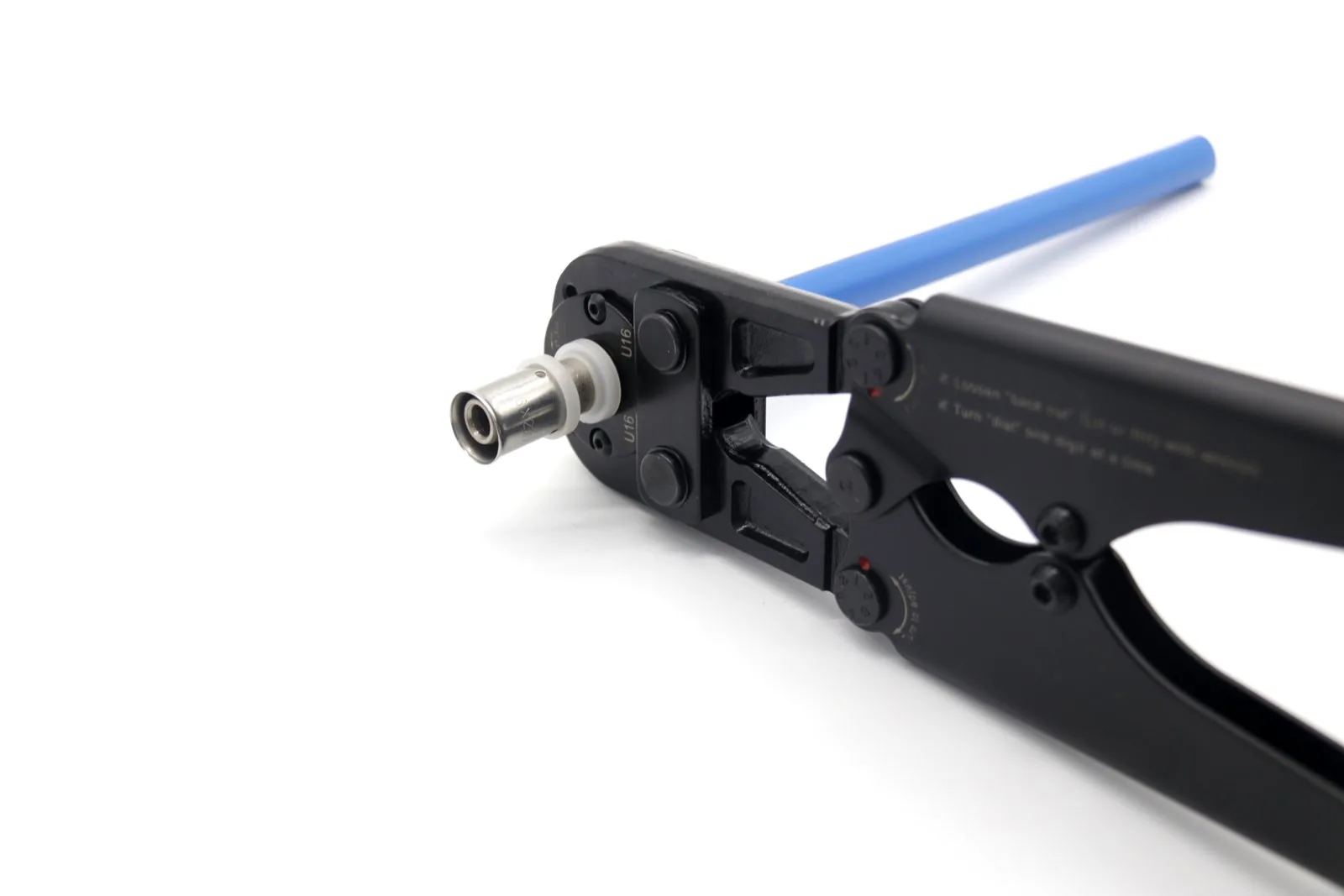
What that looks like on the QC floor: every fitting family is checked on pressure-test benches as a joined assembly, so the pass criterion is the finished joint holding, not the part passing in isolation. The brass side runs on lead-free and dezincification-resistant grades — CW724R, CW511L and CW602N (DZR) plus CW617N — machined in-house, which matters because a mixed system also mixes brass metallurgy, and a non-DZR insert on potable water is a corrosion problem no crimp gauge will ever catch. Press fittings carry the standard jaw profiles (TH, U, F and M) so the system drops into the press tools contractors already own, and compression and push-fit lines are cut to the same pipe range. The certification stack behind it — SKZ and DVGW type examination, WRAS material approval, an independent NSF/BS 6920 potable-water test report, ISO 45001 and SAI Global StandardsMark for multilayer — is issued against Hitze’s own system, so the compliance you quote and the parts you install are the same closed loop. That same single-program discipline is what lets Hitze ship a matched pipe-and-fitting system into 118+ countries without leaving each market to improvise its own joint pairings. Specific certificate numbers are available on request.
A real scenario: the callback that a mixed bin caused
Walk it end to end. A contractor runs a hydronic radiant job — 16 mm loops off a manifold, PEX-a on cold-expansion fittings. Mid-job the expansion fittings run short, the supply house is out of the matching brand, and the counter hands over a “same size” expansion fitting from a different maker. The crew expands, connects, pressure-tests to 100 psi, and it holds. Sign-off, screed poured, floor finished.
Two heating seasons later a loop starts losing pressure. The leak is traced to one substituted fitting where the reinforcing ring targeted a slightly different recovery dimension than the tubing’s expansion memory was tuned for — a joint that sealed cold and crept open under repeated thermal cycling. Now the accounting: the pipe brand declines the claim because its fitting was not used; the substitute fitting maker declines because its ring was paired with another brand’s tubing; the floor has to be opened, the loop re-run, and the contractor eats the material, the labor and the flooring. The joint was never illegal. It was simply never a warranted system. Had every fitting come from one program dimensioned to that pipe, the stock-out becomes a delivery problem instead of a demolition problem — and if it ever did fail, there is one warranty holder to call.
The lesson generalizes past PEX-a. The most expensive leaks are the ones that pass the pressure test and surface after the walls close, and those are precisely the tolerance-edge joints a mixed bin produces. Standardizing the whole loop to one brand is the cheapest insurance a contractor can buy, because it is free at purchase and only pays out when something goes wrong.
Who this is for
If you are a radiant-heating or plumbing contractor who wants pipe, fittings, rings and manifolds that carry one dimensional spec and one certification stack — so a stock-out never forces a warranty-voiding substitution — a single-source German-brand system is built for exactly this problem. It is not the right answer if you only need a one-off repair coupling and warranty is genuinely irrelevant; a standard F1807 crimp fitting will do that job.
See how a matched pipe-and-fitting program is supplied for radiant and plumbing crews on the contractor radiant-heating supply page, or review the joint-specific hardware on the press fittings, lead-free brass fittings and PEX pipe pages. Certificate numbers and full compliance documentation are available on request — and vary by market and order.
Frequently asked questions
Can you legally mix PEX brands and fittings?
On the crimp and clamp branch, yes. Metal insert fittings to ASTM F1807 and poly insert fittings to F2159 are dimensionally standardized for SDR9 PEX and PE-RT, so a compliant fitting from one brand mechanically mates with compliant tubing from another and passes code. The catch is that cold-expansion systems (F1960 versus F2080) are not interchangeable, and even a legal crimp joint usually falls outside the manufacturer’s system warranty once the brands differ.
Does mixing pipe and fitting brands void the warranty?
In almost all cases, yes. Major manufacturers warrant connections only when their own tubing, fittings, rings and press sleeves are used together, and explicitly exclude systems containing components they did not sell. A mixed joint can be perfectly code-legal and still be uncovered — which means if it leaks, liability defaults to the installer rather than to a single warranty holder.
Why do mixed-brand joints leak more often?
Tolerance stack-up. Every part — crimp ring, tubing wall and OD, fitting insert — is made to a legal range rather than a single figure. One brand tunes those ranges to seal together at the extremes; three brands can stack the loose, thin and small ends into a joint that sits at the edge of a reliable seal. On pressed and expansion joints, a half-millimetre of pipe-OD drift moves the O-ring off its designed compression, producing a slow weep that surfaces only after thermal cycling.
Are cold-expansion PEX-a fittings interchangeable between brands?
No. ASTM F1960 (PEX reinforcing-ring style) and ASTM F2080 (metal compression-sleeve style) are different standards, each requiring its own expander tool head and its own rings or sleeves. Both standards formally cover PEX and, where specified, PE-RT tubing, but in practice cold expansion works reliably only with PEX-a — PEX-b and PEX-c lack the elastic memory the joint needs. The systems should never be mixed with each other or across brands, and this is the single most common source of expensive expansion-joint failures.
Can I mix PP-R pipe and fittings from different manufacturers?
You should not. A PP-R heat-fusion joint melts pipe and fitting of the same resin into one continuous wall, so the weld depends on matched melt temperature, resin grade and socket dimension. Different PP-R brands do not guarantee those match, and a cold or over-fused cross-brand weld is a latent failure. Keep PP-R systems within one brand and one welding procedure.
Is a single-brand system worth the sourcing hassle?
For anything you are warranting to a client, yes. Single-source gives you one dimensional spec across pipe, fitting and ring, one certification stack, and one warranty holder if a joint is ever questioned. The cost of matching the whole loop is paid only if something fails; the cost of a mixed system is paid every time you have to prove whose part caused a leak. As a German brand built to German DIN standards, Hitze supplies pipe, fittings and manifolds as one program for exactly that reason.


