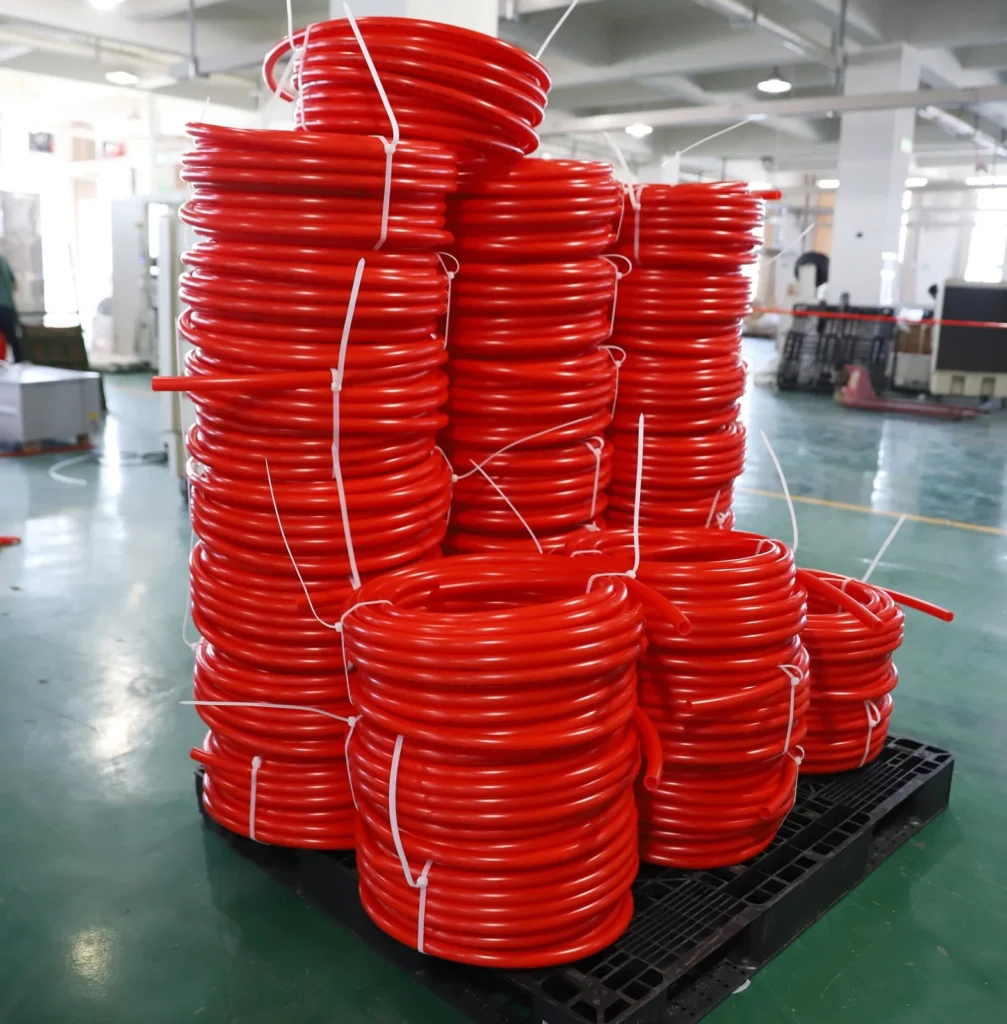
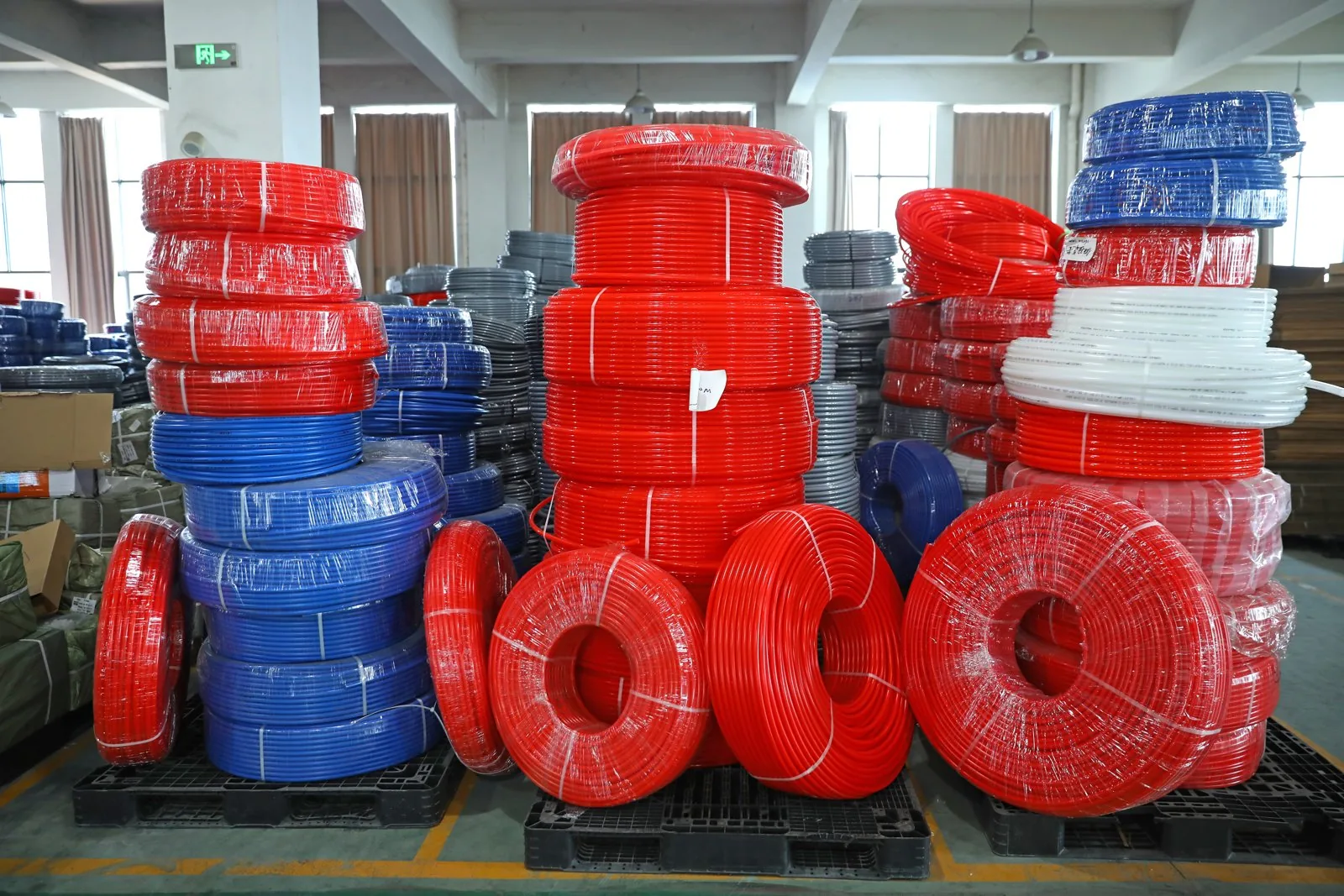
Key Takeaways
- "Comparable" is a spec question, not a slogan. Uponor and Rehau PEX-a are built to the same public standards you can demand of any supplier — ASTM F876/F877 in North America, EN ISO 15875 in Europe. Ask for the standard, not the reputation.
- The fitting standard decides compatibility, not the brand name. ASTM F1960 is the cold-expansion (ProPEX / Wirsbo-type) system; F2080 is the Rehau EVERLOC-type sleeve system. They are not interchangeable. Match the standard your customers already tool for, or you sell a system nobody can install.
- The margin is real but earned on the back end. Comparable PEX-a routinely lands 20–40% under the flagship brands — but only if certifications, dimensional consistency and reorder supply hold. A cheap coil that fails inspection erases the margin twice.
- Single-source pipe + fittings + manifold is where a distributor actually wins. One brand tested as a system removes the mixed-brand leak-and-warranty grey zone and lets you sell a package, not a commodity coil.
- Hitze’s fit: a German brand producing PEX-a, multilayer and PP-R to DIN and EN ISO standards, DVGW / WRAS / SKZ / NSF-tested, private-label ready — built for wholesalers who need a comparable system with resale headroom, not a look-alike coil.
Every wholesaler who stocks radiant and potable pipe eventually runs the same math. Uponor and Rehau move because installers trust them and specifiers write them into drawings — but the landed cost leaves thin resale margin, and the flagship brands increasingly reach past you toward your own accounts. So the real question is not "is there an alternative to Uponor?" There are dozens. The sharper, decision-stage question is: can I put a comparable PEX-a system on my shelf that my contractors will install without complaint, that passes the same inspections, and that leaves me a margin worth defending? That is a supply-chain and compliance question dressed up as a product question — and it has a precise answer, covered below: what "comparable" means at the standard level, why the fitting standard (not the logo) decides whether an alternative drops into a live job, where the margin genuinely lives, and who should switch versus stay.
What "comparable to Uponor / Rehau" actually means
Uponor and Rehau earned their reputations on PEX-a — crosslinked polyethylene made by the peroxide (Engel) method, which crosslinks the polymer while it is still molten during extrusion. That process gives PEX-a the highest thermal memory of the three PEX grades: kink it and a heat gun restores it, and the pipe expands cleanly for cold-expansion fittings. None of that is proprietary chemistry. PEX-a is a material class, and any competent manufacturer can produce it. What separates a genuinely comparable pipe from a look-alike coil is not the marketing — it is which published standard the pipe is tested and marked to.
In North America, the relevant documents are ASTM F876 (the tubing itself — outside-diameter controlled, nominal SDR9, pressure-rated for water at three temperatures) and ASTM F877 (the hot- and cold-water distribution system, tubing plus fittings, rated 100 psi up to 180 °F / 82 °C). In Europe, the governing family is EN ISO 15875, covering PEX pipes (Part 2), fittings (Part 3) and fitness-for-purpose of the assembled system (Part 5) across defined application classes and design pressures. For any closed heating loop, add DIN 4726, the German oxygen-barrier standard. When a supplier says their pipe is "like Uponor," the only answer that means anything is the standard number printed on the pipe and the certificate that backs it — everything else is a slogan.
This is the first place a distributor protects margin: by refusing to pay a reputation premium for a spec you can demand of anyone. A pipe marked to F876/F877 or EN ISO 15875, with a verifiable third-party certificate, delivers the same tested performance envelope whether the name on the coil is a household brand or not. The reputation premium is real; the performance premium, at the standard level, often is not.
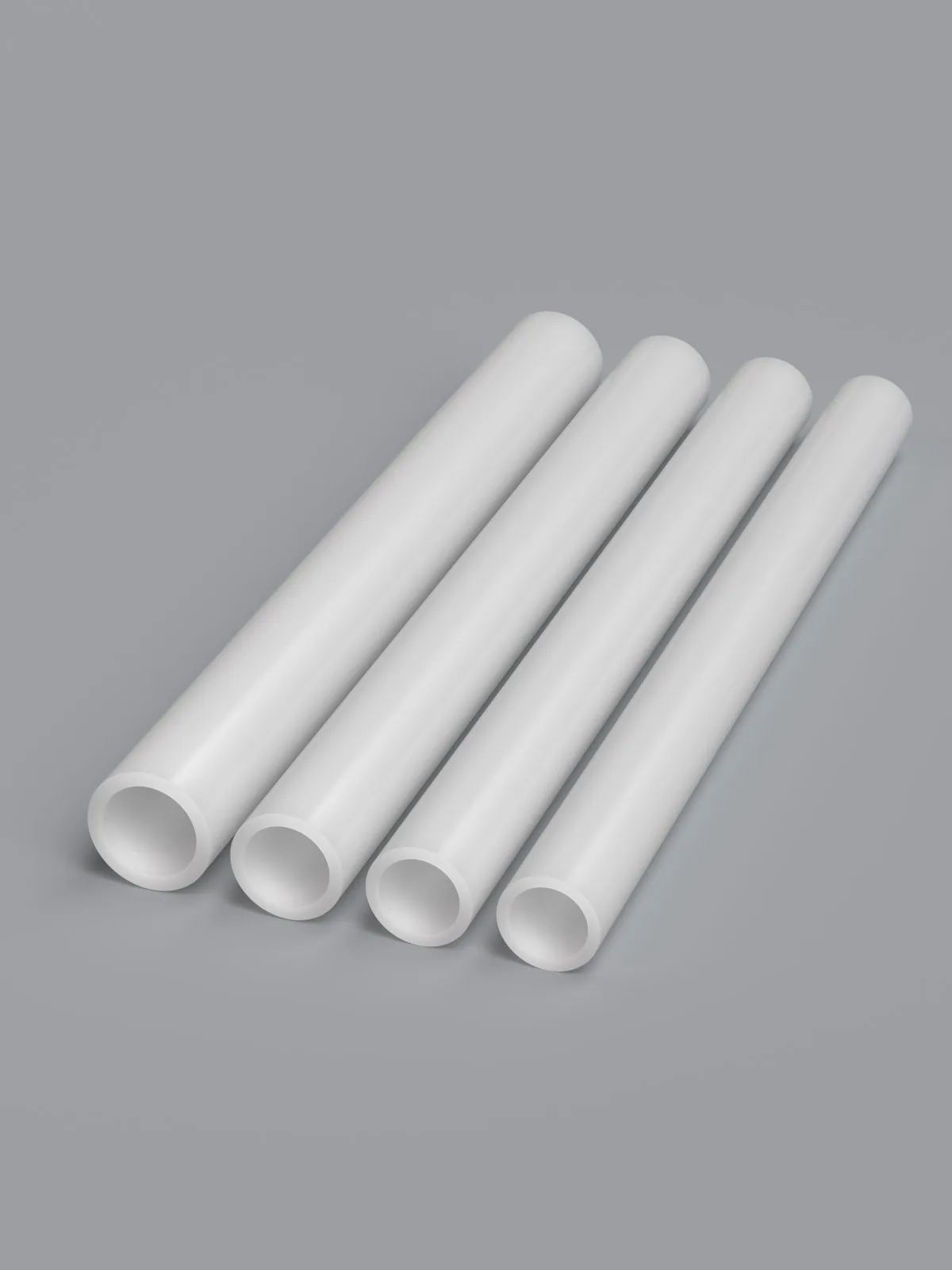
The fitting standard decides compatibility — get this wrong and the "alternative" is useless
Here is the single most expensive mistake a trade buyer can make when switching brands, and it has nothing to do with the pipe. PEX-a connects with cold-expansion fittings, and there are two different cold-expansion standards on the market that look similar and are not compatible.
ASTM F1960 is the cold-expansion system with a PEX reinforcing ring — the technology Uponor pioneered as ProPEX (Wirsbo) and helped establish as a standard in 2000. You expand the pipe and the ring together, insert the fitting, and the pipe’s shape memory shrinks back to form the seal. F1960 covers nominal sizes 3/8 in through 3 in and is rated for 100 psi cold- and hot-water up to 180 °F, for potable distribution and sealed heating including under-floor systems. Critically, F1960 fittings from different makers are cross-compatible when each is properly manufactured and certified to the standard — Rehau itself recognizes ProPEX-type fittings certified to F1960 for use with its RAUPEX pipe. That is the whole basis of a viable "alternative": match the standard and the installer’s existing expansion tool still works.
ASTM F2080 is a different cold-expansion approach — the compression-sleeve system Rehau markets as EVERLOC / EVERLOC+. It uses its own sleeves and its own tool head and is not interchangeable with F1960 expansion tools or rings. An installer tooled for EVERLOC cannot pick up an F1960 fitting and expect it to seat, and vice versa. So "a Rehau alternative" splits into two completely different compatibility problems depending on which Rehau system your customer standardized on.
The practical rule for a wholesaler is blunt: find out which fitting standard your accounts already own tooling for, and stock the pipe and fittings that match it. If your contractors run F1960 expansion tools, a comparable F1960 pipe-and-fitting system drops straight in and the switch is invisible on site. If you stock a pipe that only mates to a proprietary sleeve nobody in your territory owns, you have bought inventory that cannot be installed — the fastest way to turn a margin play into dead stock.
Insider warning. "Compatible with Uponor" on a supplier’s listing means nothing on its own. It must say certified to ASTM F1960 (or F877 for the system), with a certificate you can pull. F1960 tolerances are tight for a reason: an under-expanded or out-of-spec fitting is exactly the joint that weeps eighteen months later, behind a finished wall, on your invoice. Demand the certification, not the adjective.
System comparison at a glance
The table maps the flagship systems against what a comparable trade alternative needs to match. The reasoning lives in the prose around it — the table is the shorthand, not the argument.
| Attribute | Uponor (AquaPEX / ProPEX) | Rehau (RAUPEX / EVERLOC) | Comparable trade alternative (e.g. Hitze) |
|---|---|---|---|
| Pipe material | PEX-a (peroxide/Engel) | PEX-a (peroxide/Engel) | PEX-a available, plus PEX-b/-c, multilayer, PE-RT |
| Pipe standard | ASTM F876/F877 | ASTM F876/F877; EN ISO 15875 | ASTM F876/F877, EN ISO 15875, DIN 4726 barrier |
| Fitting system | ProPEX — ASTM F1960 cold expansion | EVERLOC — ASTM F2080 sleeve (also F1960-recognized) | Match to customer’s standard: F1960 expansion, press, compression |
| Cross-tool compatibility | F1960 tools/fittings cross-compatible when certified | EVERLOC proprietary tool; not F1960-interchangeable | F1960-certified fittings work with existing ProPEX-type tools |
| Potable certifications | cUPC, NSF/ANSI 61 | cUPC, NSF; WRAS/DVGW (EU lines) | DVGW, WRAS, NSF-tested, cUPC/UPC — docs on request |
| Private label / ODM | No | No | Yes — own-brand print, packaging, docs |
| Resale margin headroom | Thin (brand premium) | Thin (brand premium) | Wider — commonly 20–40% lower landed cost |
Uponor and Rehau are named for factual, nominative comparison only; Hitze does not manufacture their products and no image here depicts them. Certification scope varies by product line and market — request the current certificate for the exact item.
Where the margin actually lives — and where it disappears
The headline is easy: comparable PEX-a from a specialist manufacturer commonly lands 20–40% below the flagship brands, which is why third-party alternatives to Uponor exist and sell. But a distributor who chases that headline without the back end gets burned, so here is where the margin is real and where it leaks away.
The margin is real when three things hold: the certifications are genuine and match your market (a coil that can’t clear cUPC in the US or DVGW/WRAS in Europe is worthless the moment an inspector asks); dimensional consistency holds reorder to reorder, so a fitting that seated last quarter seats this quarter; and supply is dependable enough to promise a reorder date and hit it. When those hold, the price gap converts cleanly into resale margin.
The margin disappears the instant any of those fail. A batch that drifts out of tolerance produces weeping joints, and a single leak callback behind a finished wall can cost more than a full pallet of pipe — you pay for the pipe, then the rework, then you lose the account. A cert gap that surfaces at customs turns a container into stranded inventory. This is why the cheapest coil is almost never the highest-margin coil: the margin is decided after the sale, not at the quote. The position to take is not "buy the cheapest PEX-a" but buy the comparable PEX-a whose certifications, tolerances and reorder supply you have verified — then the price gap is yours to keep.
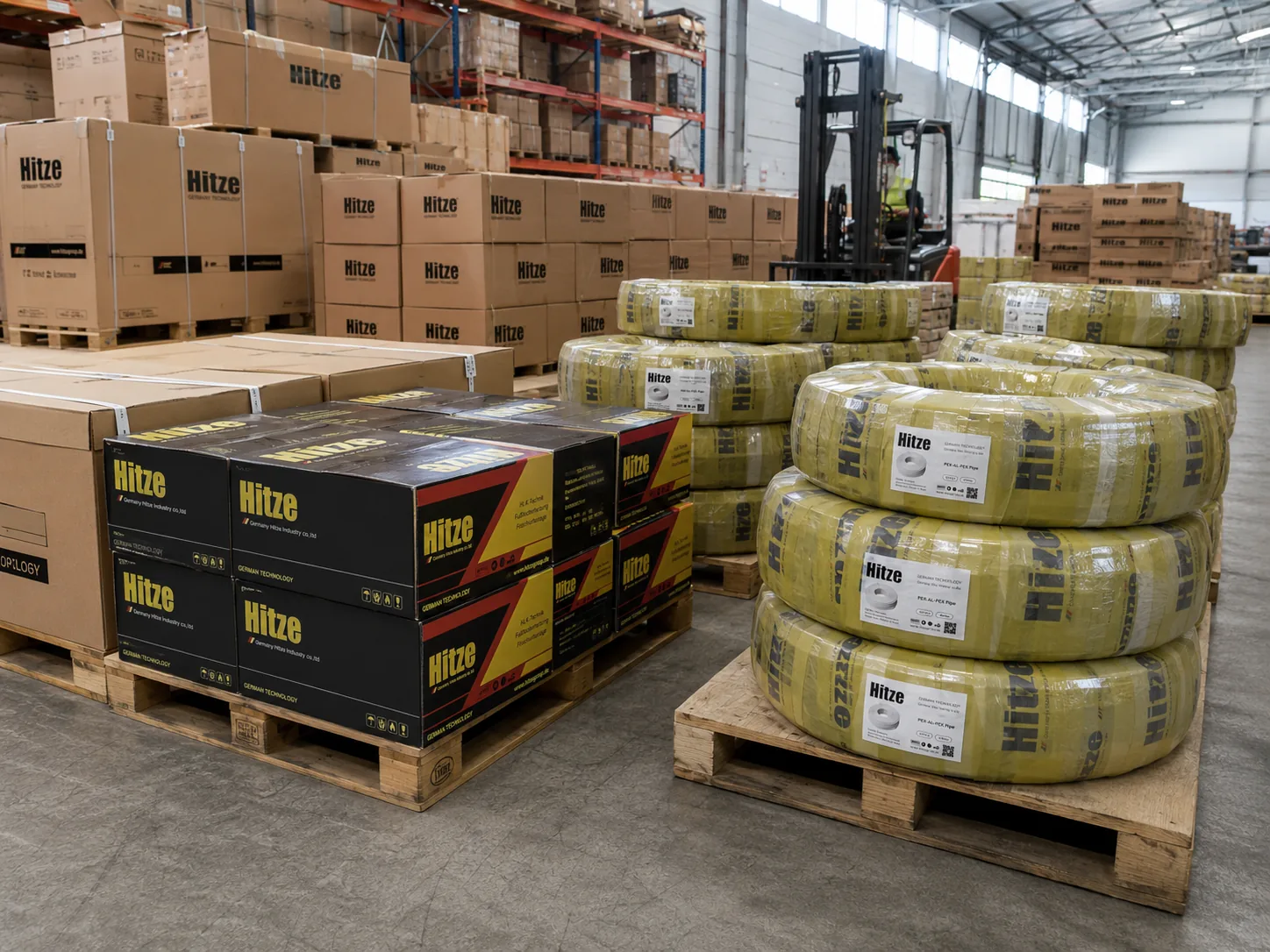
Sell the system, not the coil: the single-brand advantage
The distributors who win against the flagship brands rarely do it by underpricing a bare coil. They do it by selling a system — pipe, fittings, manifold and valves from one brand, tested together and warrantable as an assembly. A system is not a commodity and cannot be beaten on the price of a single line item.
The failure mode this avoids is the mixed-brand grey zone. When a contractor runs one company’s pipe into another’s fittings, the tested-together assurance evaporates, and if a joint fails, each maker points at the other. F877 and EN ISO 15875 both certify the pipe-plus-fitting system, not just the pipe — so a single-brand system is the only clean way to stand behind a joint. Offering one coherent brand across pipe, press and compression fittings, brass and manifolds means your customer buys a package they can warrant to their customer, and you become the single point of supply instead of one of four interchangeable coil vendors.
This is also where a private-label option changes the game. Uponor and Rehau will never let you put your own name on their pipe. A manufacturer built for ODM will — which means a serious distributor can build an own-brand system with comparable specs, own the shelf, and stop competing on someone else’s brand entirely. That is the difference between reselling a commodity and owning a product line.
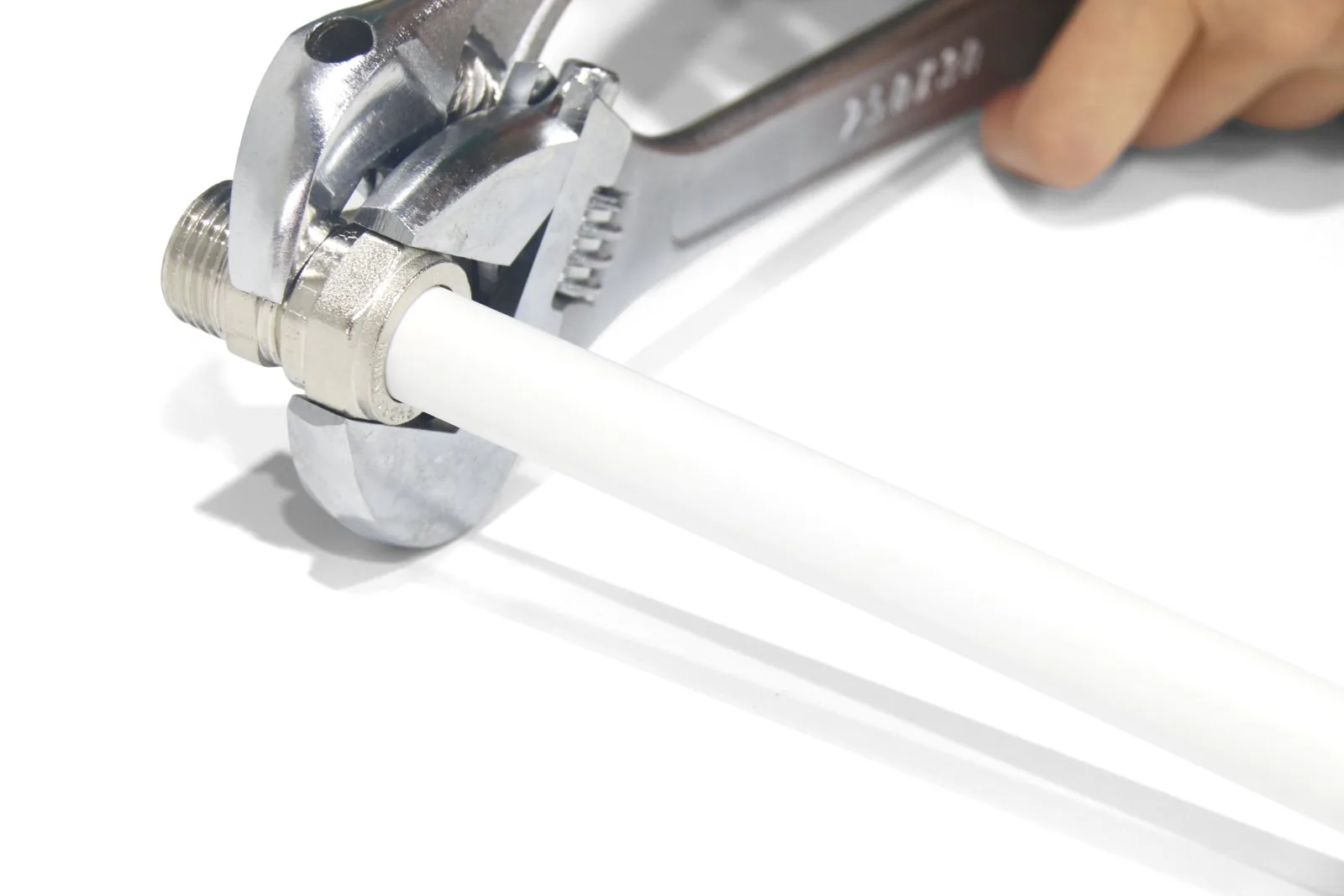
What Hitze checks before a comparable system ships
Hitze is a German brand of engineered piping systems — founded in 1974, running a 120,000 m² production base with 1,000+ employees and exporting to 118+ countries — and it exists in this comparison as the supply side of the "comparable system" argument, not as a look-alike coil vendor. The point of a factory-direct alternative is only worth anything if the verification behind it is real, so here is what actually gets checked on the line.
- Standard-marked, not just standard-shaped. PEX grades are produced to ASTM F876/F877 where cited and to EN ISO 15875 for European supply; oxygen-barrier heating grades are built to DIN 4726 so they belong in a closed ferrous loop, not just a potable run. The pipe carries the printed standard, class and size marking — the mark you can check against the cert.
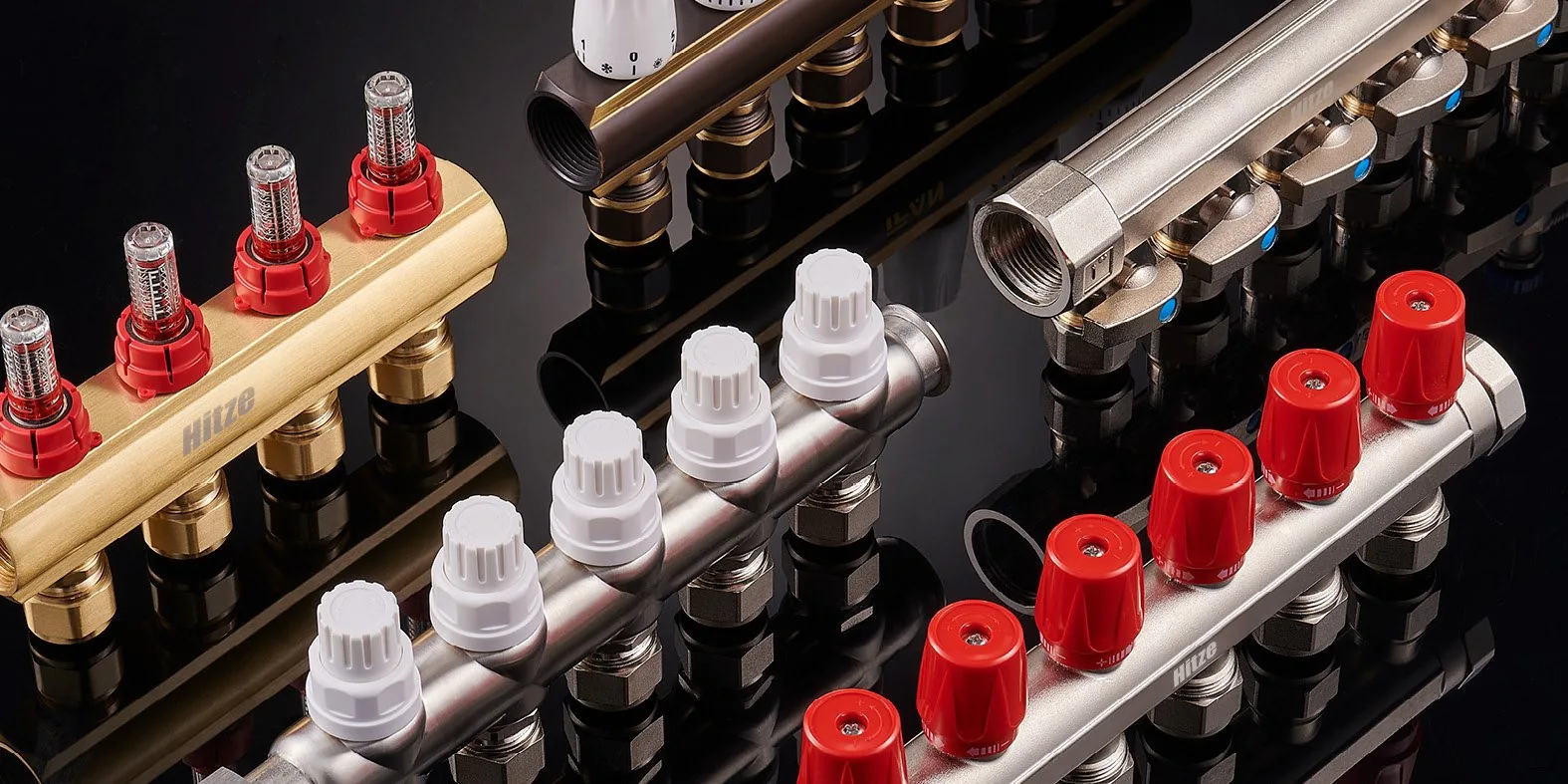
- System, not orphan parts. The range spans PEX-a / PEX-b / PEX-c, PEX-AL-PEX multilayer, PE-RT underfloor pipe, PP-R, and the fittings to match — press (TH/U/F/M jaw profiles), compression, push-fit and lead-free brass — plus brass and stainless underfloor manifolds, so a distributor can stock one brand end to end rather than mixing.
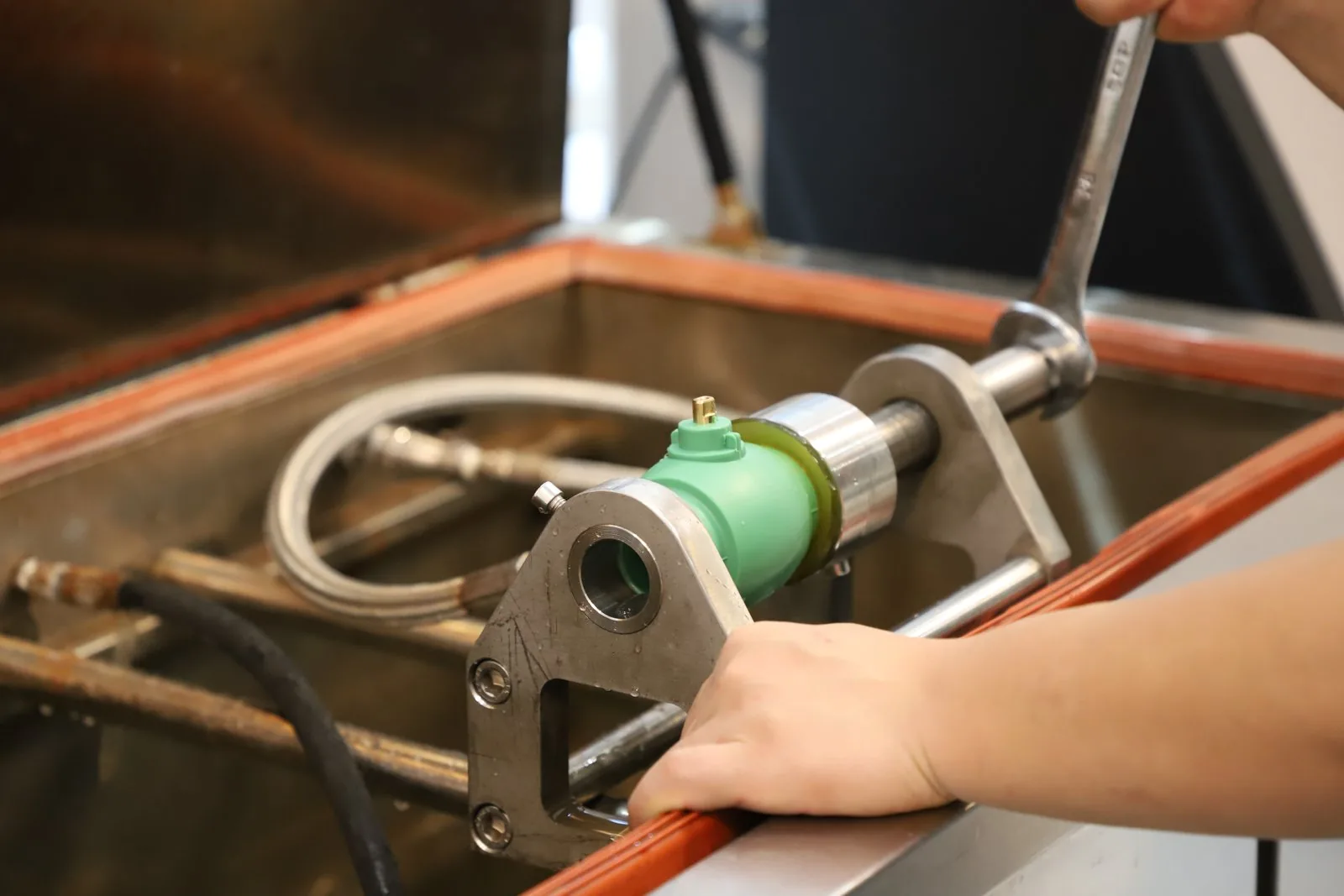
- Hydrostatic and dimensional verification. Pipe and fittings are pressure-tested and dimensionally checked against the DIN and EN ISO thresholds they are marked to — the coil-to-coil consistency that keeps a fitting seating the same on every reorder, which is where alternative-brand margin is won or lost.
- Certifications that unlock your market. The system is DVGW type-examined (PP-R potable), WRAS material-approved, SKZ-tested, and NSF-tested for potable contact, with cUPC/UPC and NSF/ANSI 61 among the listings held. Exact scope varies by product line and market and specific certificate numbers are available on request — the correct move is always to pull the current certificate for the exact item and market before you commit.
- Private-label ready. Own-brand print on the pipe, custom packaging and documentation are part of the ODM program, so a distributor can turn a comparable system into an owned line rather than a resold commodity.
None of that makes the pipe a flagship-brand product, and this article does not claim it is. It makes it a verifiable comparable system — which, for a margin-driven trade buyer, is the entire point.
End to end: switching a radiant-heat wholesaler to a comparable system
Take a regional heating wholesaler whose contractors run F1960 (ProPEX-type) expansion tools and who currently resells a flagship PEX-a line at a margin thin enough that a national buying group keeps undercutting them. Here is how the switch runs when it is done correctly.
Step one, standard match: before touching price, they confirm the alternative pipe is marked to ASTM F876/F877 and the fittings are certified to ASTM F1960 — so their contractors’ existing expansion tools work unchanged and the switch is invisible on the jobsite. Step two, sample and verify: they run sample coils and fittings on the actual tools, checking seating, expansion behaviour and dimensional consistency against the flagship product they know, and pull the DVGW/cUPC/NSF certificates for the exact SKUs and market. Step three, price the system, not the coil: they stock pipe, F1960 fittings, brass and a manifold from one brand and sell a warrantable package — so the buying group’s coil-only price is no longer the comparison. Step four, protect the margin with supply: they lock a reorder cadence so the 20–40% landed-cost gap stays banked instead of being eaten by a stockout that forces an emergency flagship buy at full price.
The outcome is not "cheaper pipe." It is a distributor who now owns a comparable, inspection-passing, single-brand system with defendable margin — and, if they take the private-label route, their own name on it. That is the version of "Uponor alternative" worth executing.
Best for / not for
A comparable system fits when…
- You’re a wholesaler or importer whose margin on flagship PEX-a is too thin to defend.
- Your accounts run F1960 (ProPEX-type) tools, so a certified F1960 system drops straight in.
- You want to sell a warrantable pipe-plus-fitting-plus-manifold package, not a bare coil.
- You’re considering an own-brand line and need a factory that can private-label with real certs.
Stay on the flagship brand when…
- A project spec names Uponor or Rehau by brand and the specifier won’t accept an equal.
- Your accounts are locked to a proprietary EVERLOC/F2080 sleeve you can’t match.
- Volume is too low to justify verifying and qualifying a second source.
- You need a named 25-year system warranty from the original brand, not a supplier equivalent.
Where Hitze fits — and who should talk to us
If you are a wholesaler or importer who has run the margin math and concluded the flagship premium is eating your resale spread, a comparable German-brand system is worth a real evaluation — not for a famous name, but because it is built to the same public standards, tested against them, and priced to leave you room. Hitze is engineered in Germany to DIN and EN ISO standards, DVGW / WRAS / SKZ / NSF-tested, and available for private label. This is a trade and wholesale conversation, not a direct-to-homeowner one: if you move pipe by the container and want a comparable, inspection-passing PEX-a system with defendable margin — ideally under your own brand — that is precisely who this is for. See our Rehau alternative and Uponor alternative positioning, the PEX-a pipe range and matching multilayer PEX-AL-PEX line, or browse the full wholesale plumbing & heating pipe program — then request the certificate pack and a sample against your contractors’ tooling before you commit.
Who this is for: distributors, importers and private-label brands moving PEX-a and multilayer by the pallet or container who want a comparable, certifiable system with resale headroom. Who it isn’t for: single-project buyers, homeowners, or specs that name a competitor brand as non-substitutable. Certification scope, MOQ and lead times vary by market and order — confirm the current scope on the certifications & compliance page and request details for your exact line rather than assuming.
Frequently asked questions
Is there a real alternative to Uponor PEX-a that installers will actually accept?
Yes — the constraint is the fitting standard, not the pipe. PEX-a is a material class produced by many manufacturers to the same ASTM F876/F877 or EN ISO 15875 standards. If the alternative pipe and fittings are certified to ASTM F1960 (the ProPEX-type cold-expansion standard), an installer’s existing expansion tool works unchanged and the switch is invisible on site. Insist on the F1960 certificate, not a "compatible with Uponor" claim.
Are Rehau EVERLOC and Uponor ProPEX fittings interchangeable?
No. Uponor ProPEX is an ASTM F1960 cold-expansion system with a PEX reinforcing ring; Rehau EVERLOC / EVERLOC+ is an ASTM F2080 compression-sleeve system with its own tool and sleeves. They are not interchangeable. Note that Rehau also recognizes ProPEX-type fittings certified to F1960 for its RAUPEX pipe — so any "alternative" must match whichever standard your accounts are tooled for.
How much can a wholesaler actually save switching to a comparable PEX-a brand?
Comparable PEX-a from a specialist manufacturer commonly lands 20–40% below the flagship brands, but the saving only converts to margin if certifications match your market, dimensions stay consistent reorder to reorder, and supply is dependable. A single leak callback or a cert gap at customs can erase the gap, so verify those three before you commit. Exact pricing varies by market and order.
Is Hitze made in Germany?
Hitze is a German brand (German Trademark Reg. No. 30 2020 005 484, DPMA) engineered in Germany and built to German DIN and EN ISO standards, with DVGW, WRAS, SKZ and NSF testing behind the range. It is a comparable, certifiable system designed for trade buyers — not a copy of any competitor’s product. Request the specific certificate for your product line and market to confirm scope.
Can I put my own brand on a comparable PEX-a system?
Yes — the flagship brands won’t private-label their pipe, but an ODM-capable manufacturer will. That means own-brand pipe print, custom packaging and documentation, so a distributor can own a product line instead of reselling a commodity coil. MOQ and lead times are quoted per program and vary by market and order.
Does an alternative brand’s pipe pass the same inspections?
It passes the inspection the standard it’s marked to covers — provided the marking is backed by a genuine third-party certificate. A pipe marked to F876/F877 or EN ISO 15875 and certified cUPC/NSF (US) or DVGW/WRAS (EU) clears the same checks a flagship brand does. The risk is never the standard; it’s an unverifiable certificate. Always pull the current certificate for the exact SKU and market before you order.


