A PPR pipe submittal is not a stack of certificates. It is a traceable argument that the exact pipe, fitting and joint offered can meet the project duty. The fastest review method is to map every specification requirement to a current document, verify model and size scope, and record every deviation before approval.
By the Hitze Technical Content Team · Technical review: 21 July 2026
PPR Submittal Essentials
- Freeze the project duty before reviewing products: fluid, temperature, pressure, service class, life basis and market approvals.
- Check pipe, fittings and joints as one system; evidence for pipe alone is incomplete.
- Require OD × wall, SDR/S series and pressure-temperature capability—not a PN label alone.
- Verify every certificate against issuer, validity, standard, model, material, size and manufacturing-site scope.
- Close the review with an approved-document index and a deviations register that purchasing and site teams can use.
The checklist below is designed for MEP consultants, contractors, procurement teams and distributors evaluating PP-R systems for hot- and cold-water installations. It is intentionally evidence-led. Local code, contract requirements and the authority having jurisdiction remain controlling.
1. Freeze the design duty before opening the supplier file
A product cannot be “compliant” in the abstract. It can only be shown suitable for a defined application. Put the design basis on the first page of the review so that every later document is tested against the same conditions.
| Duty field | What to record | Controls |
|---|---|---|
| Fluid and use | Potable cold water, DHW, recirculation, heating or process service | Hygiene scope |
| Temperature profile | Normal, design, maximum and abnormal periods | P-T basis |
| Pressure basis | Operating, static, surge, test and design pressure | Pressure check |
| Life and service class | Contract life basis and ISO application class if used | Series selection |
| Market and authority | Destination country, authority, potable-water scheme and project specifications | Market scope |
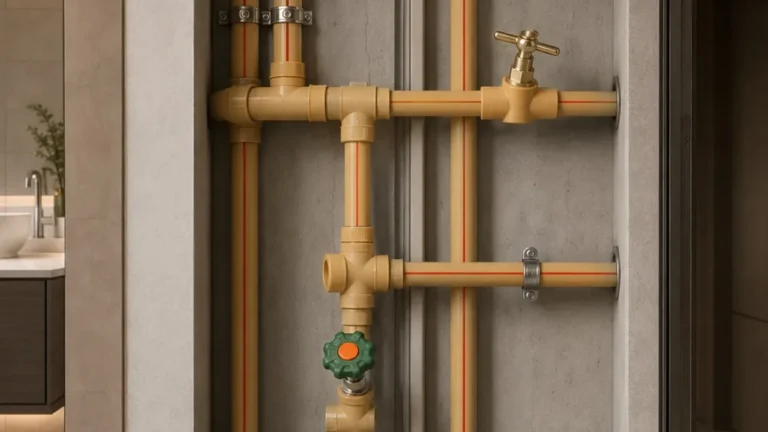
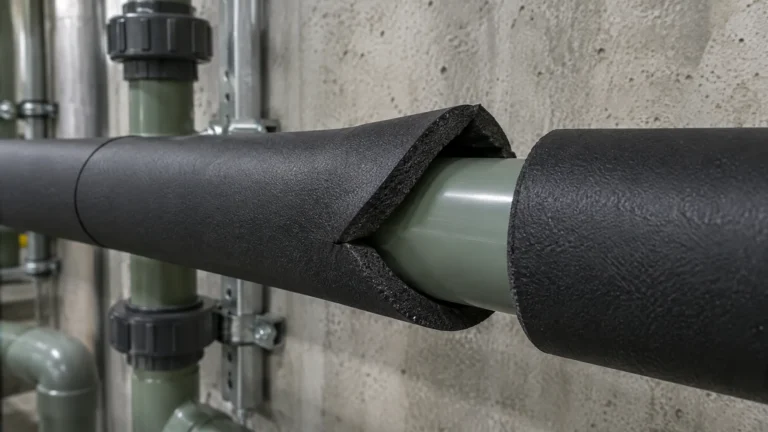
Also record the approved sizes, pipe construction, insulation, fire-stopping interface and whether exposed straight runs require special thermal-movement control. If the project specification is internally inconsistent—for example, PN-only wording beside a demanding hot-water profile—raise a technical query before comparing brands.
2. Map ISO 15874 requirements to the submitted system
For polypropylene piping systems used in hot- and cold-water installations, the ISO 15874 series separates responsibilities across several parts. Part 1 contains general requirements; Part 2 addresses pipes; Part 3 addresses fittings; and Part 5 addresses fitness for purpose of the system.
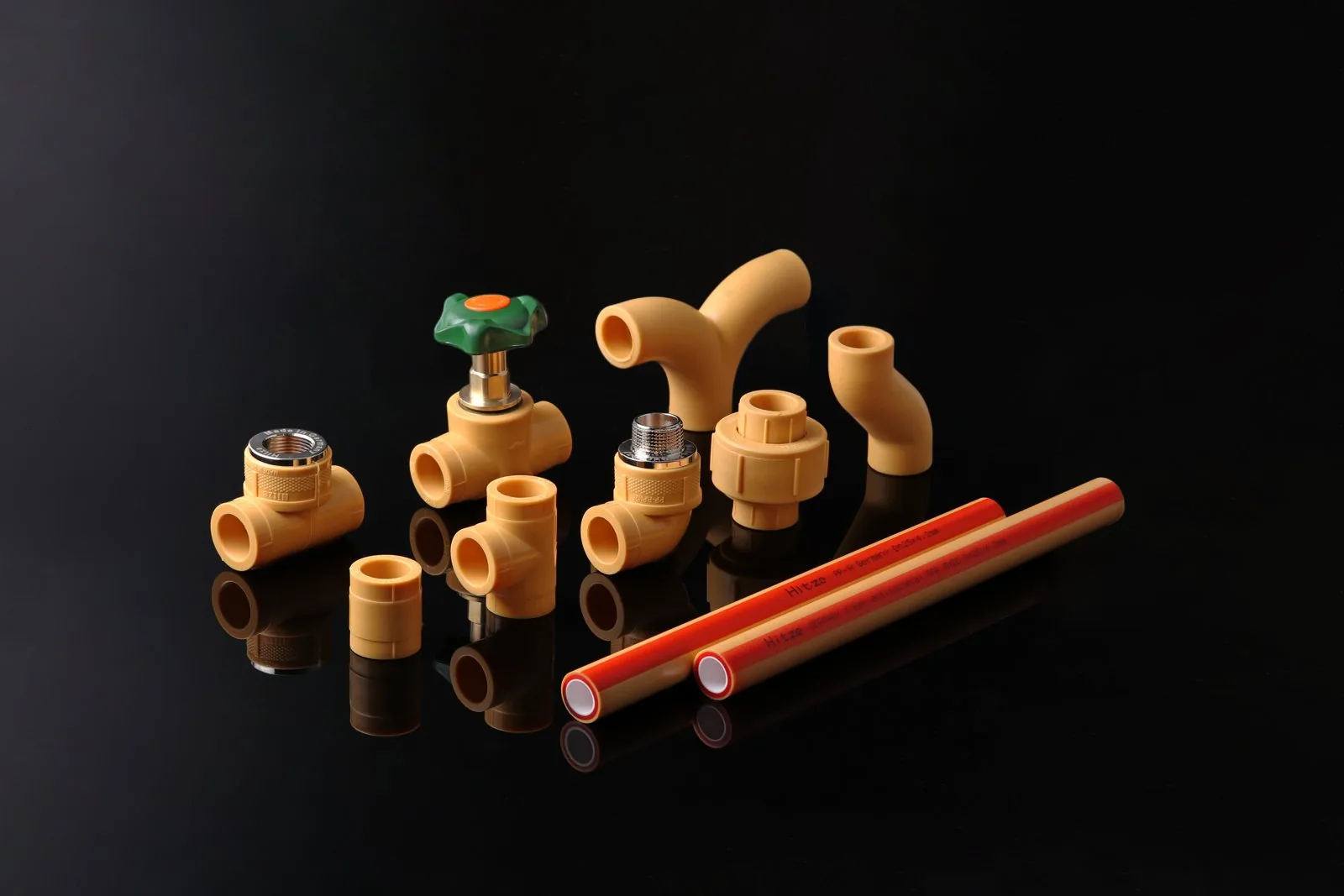
This structure exposes a common gap: a pipe test report does not, by itself, demonstrate the performance of the offered fitting or fused assembly. Your compliance matrix should name the part of the standard each document supports and identify the exact submitted product family. Use the Hitze PPR pipe and fitting range as the commercial scope reference, then make the approved submittal the project’s controlling record.
Do not treat an ISO standard number printed on a data sheet as third-party certification. A declaration, accredited test report and product certificate are different evidence types. Record what each document actually proves.
3. Build a controlled PPR submittal document index
Start with an index before reading individual PDFs. It prevents obsolete revisions and unrelated certificates from surviving simply because the bundle looks substantial.
| Required item | Minimum scope check |
|---|---|
| Product data sheet | Material, construction, size range, OD × wall, SDR/S and standard |
| Pressure-temperature declaration | Exact material and series; service class or duty basis |
| Fitting and joint evidence | Submitted fitting family, dimensions, materials and joint-system scope |
| Potable-water evidence | Scheme accepted by project; exact products, temperature and validity |
| Product certificates and reports | Issuer, number, standard, model/size/site scope and status |
| Installation instructions | Tooling, preparation, joining parameters, supports and testing |
| QA and traceability plan | Print line, lot link, inspection documents and nonconformance route |
| Samples and marking schedule | Pipe, fitting and packaging labels match the offer |
| Deviation register | Every departure is explicit and dispositioned |
Give every file a document number, title, revision, issue date, issuer and page count. A renamed PDF is not a new revision. When a supplier replaces one item, require an updated index so the approval set remains reproducible.
4. Review the technical data line by line
The pipe schedule should state material designation, outside diameter, minimum wall, SDR or S series and applicable standard. Use the actual bore for hydraulic checking. If only PN is declared, the submission is not dimensionally complete.
Compare the pressure-temperature declaration with the project duty. Confirm that the table applies to the exact material and wall series offered. If an application class is used, check the design pressure and temperature-time profile rather than reducing it to one “maximum temperature.” A Class 5 profile, for example, is not the same as continuous operation at its limited maximum-temperature condition.
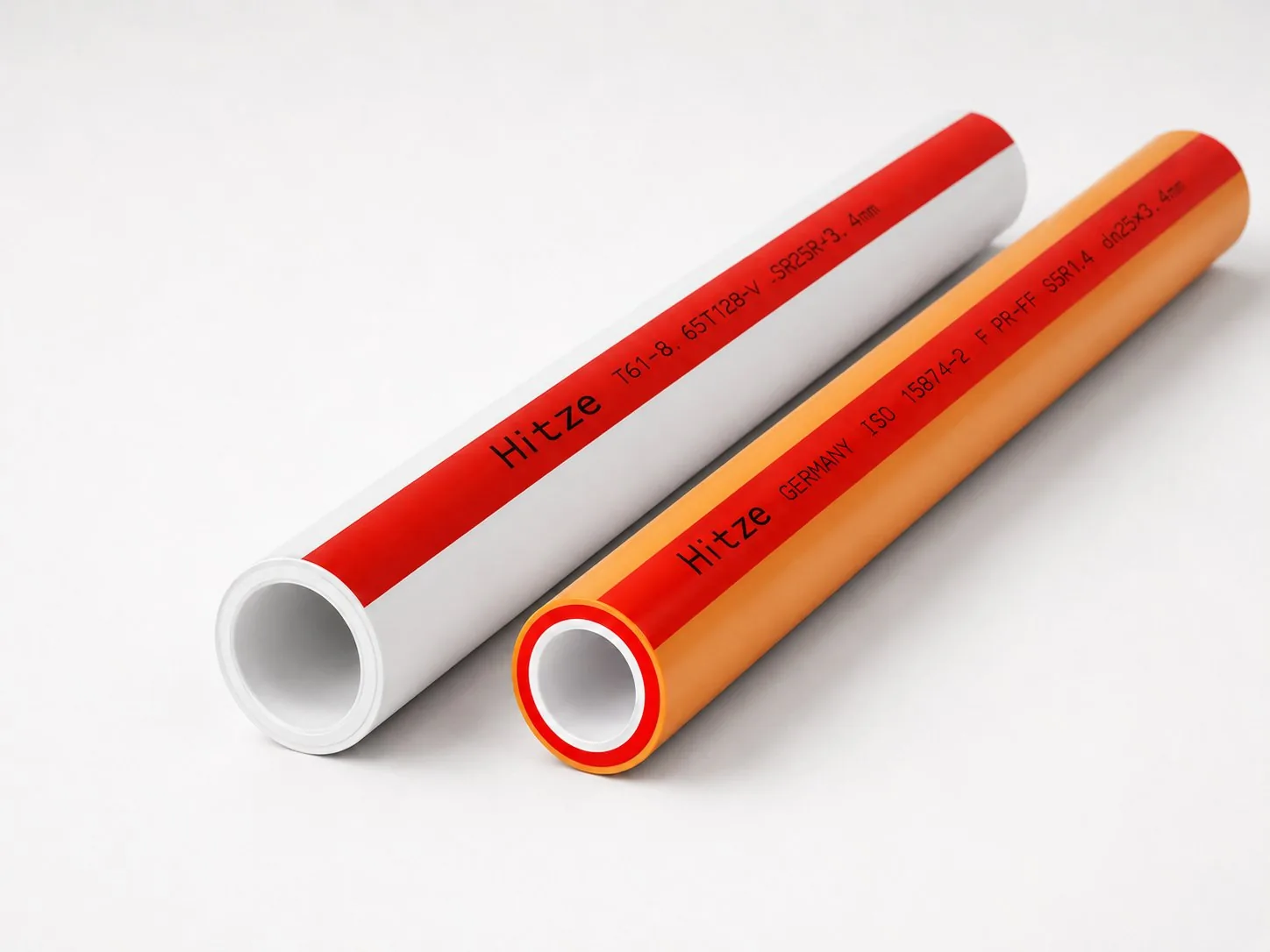
For composite pipe, require a cross-section description and the manufacturer’s declared performance data relevant to the project—such as thermal expansion or oxygen permeation where those properties are specified. Do not transfer values from a visually similar competitor product.
5. Validate certificate scope, not just the logo
A certificate can be authentic and still fail the submittal because it covers a different material, size, factory, temperature or product family. Verify it through the issuer’s directory or direct confirmation where available. The SKZ certificate directory, for example, provides a route to check listed product certifications rather than relying on a logo copied into a brochure.
- Match certificate holder and manufacturing location to the offered supply chain.
- Match product designation, material, pipe/fitting category and size range.
- Match the cited standard and, where relevant, the application or temperature scope.
- Check issue, expiry, suspension and revision status with the issuer.
- Record the verification URL and date in the review sheet.
Potable-water acceptance is jurisdiction-specific. A report under one test method does not automatically equal approval under another country’s scheme. Ask the consultant or authority to confirm the accepted route, then match the offered model and intended hot/cold contact conditions to that route. Use the Hitze certifications and compliance page as a starting index, not as a substitute for scope verification. The separate guide to verifying a pipe certificate provides a registry-first check.
6. Check jointing, tooling and installation controls
A compliant pipe can still fail through an uncontrolled joint. The submittal should identify the compatible fittings and jointing method, approved tooling, socket or butt-fusion preparation, heating and joining parameters by size, cooling/handling rules and inspection criteria. Parameters must come from the submitted system supplier’s current instructions.
The method statement should also address supports, anchors, guides, thermal movement, concealed joints, sleeves, insulation, UV exposure during storage, pressure testing and repair. Require installer training or competency evidence if the contract calls for it. A generic one-page “welding guide” with no size-specific control is not enough for a major project.
7. Confirm QA, marking and delivery traceability
Agree the minimum print-line fields and how they link to the production lot. Typical review fields include manufacturer or brand, material, OD × wall, SDR/S or declared class, standard, production code and date or batch identifier. Fittings and packaging need an equivalent route back to the submitted product family.
Define which inspection documents accompany each shipment, who reviews them and what happens when markings, colour, dimensions or document revisions differ from the approved sample. This turns “traceability” from a brochure word into a site control.

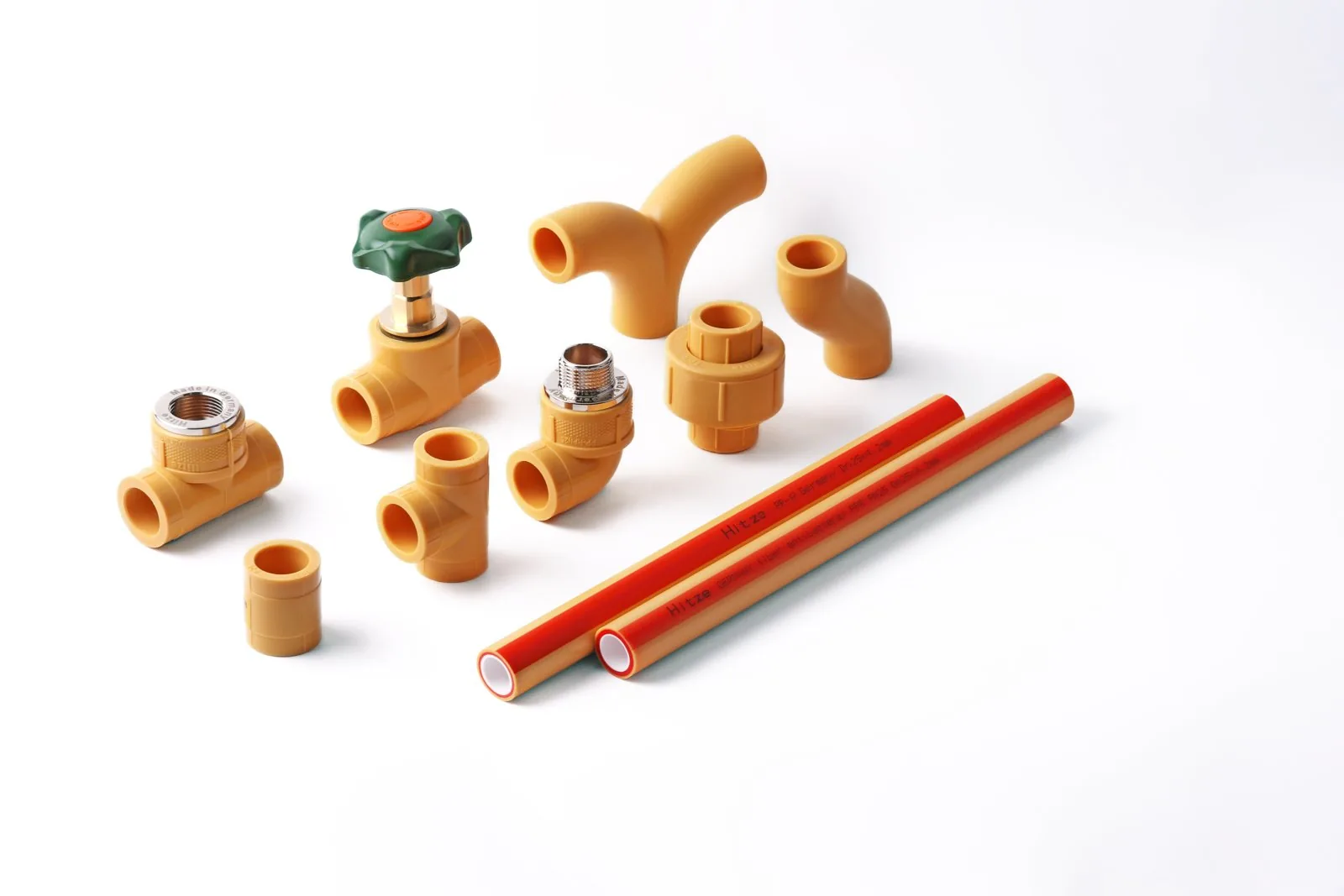
Need a scope-matched PPR document pack?
Send the destination market, project specification, required sizes, temperature-pressure duty and potable-water approval route. The response can then be limited to documents that match the actual offer. Hitze supports no-MOQ ordering and a 50-year product warranty; the submittal should record the warranty scope separately from the engineering design-life basis.
8. Worked example: turning a vague offer into an auditable decision
Assume a hotel project requests PP-R for domestic hot water and recirculation. The offer states “PPR PN20, ISO 15874, potable approved” and includes one pipe data sheet, a certificate image and a generic fusion leaflet. That is not yet approvable.
Technical gap: the offer lacks OD × wall and SDR/S, so the reviewer cannot confirm bore or wall series. The phrase PN20 does not show capability at the project temperature. Request the complete dimension schedule and the exact pressure-temperature or application-class declaration.
System gap: there is no fitting schedule or joint fitness evidence. Request the offered fitting family, transition materials and system/joint documentation. Confirm that the fusion instructions apply to the same pipe and fittings.
Approval gap: the certificate image has no verifiable scope in the pack. Check the issuer directory or ask for issuer confirmation, then match product, site, standard, temperature and validity to the offer. “Potable approved” must be replaced by the precise scheme and scope accepted by the project jurisdiction.
The result may be approval, rejection or approval with documented conditions. What matters is that the disposition is tied to evidence and can be repeated by procurement and receiving inspection.
9. Questions to send the supplier—and red flags to escalate
- Which exact pipe and fitting product codes are offered in every scheduled size?
- Which document proves performance at the stated temperature, pressure and life basis?
- Which certificate directory entry covers these products, sizes and manufacturing location?
- Which potable-water route applies in the destination market, and does its scope include the offered hot/cold use?
- How do pipe and fitting markings link to the shipment lot and inspection documents?
- What deviations exist from the specification, including material, dimensions, colour, construction, standards and approvals?
Escalate immediately if certificate names or logos are shown without a number; documents carry conflicting model names; a report is cropped to hide scope; the offered factory differs from the certified site; the supplier refuses to declare wall thickness; or a substitution is described only as “equal or better.” Equivalence must be demonstrated requirement by requirement.
The same discipline applies to system compatibility. Review the documented risks of mixing pipe and fitting brands before accepting a substitution that changes one component but leaves the original joint evidence unchanged.
Bottom line: approve a traceable system, not a PDF bundle
A complete PPR submittal connects the project duty to the exact pipe, fitting, joint, approval scope, installation method and shipment marking. Close every deviation and issue one controlled document index for procurement and receiving inspection. Hitze’s 50-year product warranty is quotation-specific and separate from the engineering design-life basis used in the pressure-temperature review.
FAQ: PPR specification and submittal review
What must a PPR pipe data sheet show?
At minimum: material, construction, size range, OD × minimum wall, SDR/S series, governing standard and pressure-temperature or application-class basis for the offered products.
Is an ISO 15874 declaration enough for approval?
No. The reviewer must match pipe, fittings, joints, dimensions, duty, certificates, installation controls and local approval requirements to the exact offered system.
How do I verify a PPR certificate?
Check the issuer’s directory or direct confirmation, then match holder, factory, product, material, size range, standard, scope, validity and revision to the offer.
Should pipe and fittings be submitted together?
Yes. A PP-R installation depends on the pipe, fitting and fused joint acting as a system. Pipe-only evidence does not complete the system review.
What is the biggest red flag in a PPR quotation?
A PN-only description with no wall series, temperature basis or verifiable product scope. It prevents both engineering verification and receiving inspection.