Key takeaways
- Yes, your brand can appear on the paperwork — but you rarely “own” the certificate. The scheme lists the certified factory and its audited production site; your name is added as a private-label / “another name for” entry against that file.
- NSF calls it the “Another Name For” (ANF) option. Your product and company name appear separately in NSF’s public listing, but only if the private labeling happens at the certified manufacturer’s plant. Relabel off-site and the NSF certification is void.
- cUPC/UPC (IAPMO) lists the factory, marks your name. A single IAPMO certificate covers both the US and Canada; for private label, your brand name and model number go on the unit and packaging in place of the factory’s.
- WRAS Approval is granted to the applicant and lasts a maximum of five years. Whoever files the application is the named approval holder — so agree upfront who applies.
- The fastest route is a factory that already holds the base listings. Adding your name to an existing file takes weeks and a document review; certifying a fresh product from zero takes months and full testing.
If you are about to launch an own-brand pipe or fitting line, the question that keeps you up at night is not the logo on the coil — it is whether the certificate an inspector, a big-box buyer or a customs officer demands will actually have your company on it. The honest answer is nuanced, and the nuance is exactly where most first-time private-label brands lose money. A certificate is not a sticker you buy; it is a legal relationship between an accredited body, a specific product, and a specific audited factory. Your brand can absolutely ride on that relationship — but the mechanism differs for every scheme, and getting it wrong means either a worthless piece of paper or a fully re-tested product you paid for twice.
This guide walks through the three certifications that gate the markets private-label pipe brands care about most — cUPC/UPC for the US and Canada, NSF/ANSI for North American potable water, and WRAS for the UK — and shows exactly how (and whether) each one puts your name on the document. It is written for brand owners and importers at the decision stage, from the perspective of a factory that runs these programs. Where a number is proprietary to a given order, we say “available on request” rather than invent one; every standard and rule below is grounded against the issuing body.
First, the uncomfortable truth: you brand the product, the factory owns the listing
Every one of these schemes ties certification to a specific product built and inspected at a specific factory. IAPMO R&T, for example, sends inspectors to conduct unannounced inspections of listed products “at each manufacturing and warehouse facility to monitor compliance to the listing” — that is section 18 of their listing agreement, not marketing language. The certificate follows the audited production line, not the brand on the box. So when a supplier promises “you’ll get your own cUPC certificate,” what they almost always mean — and what is actually compliant — is that your brand name is added to the factory’s existing listing as a private label. That distinction is not pedantic; it decides who controls the certificate, who can revoke it, and what happens if you change suppliers.
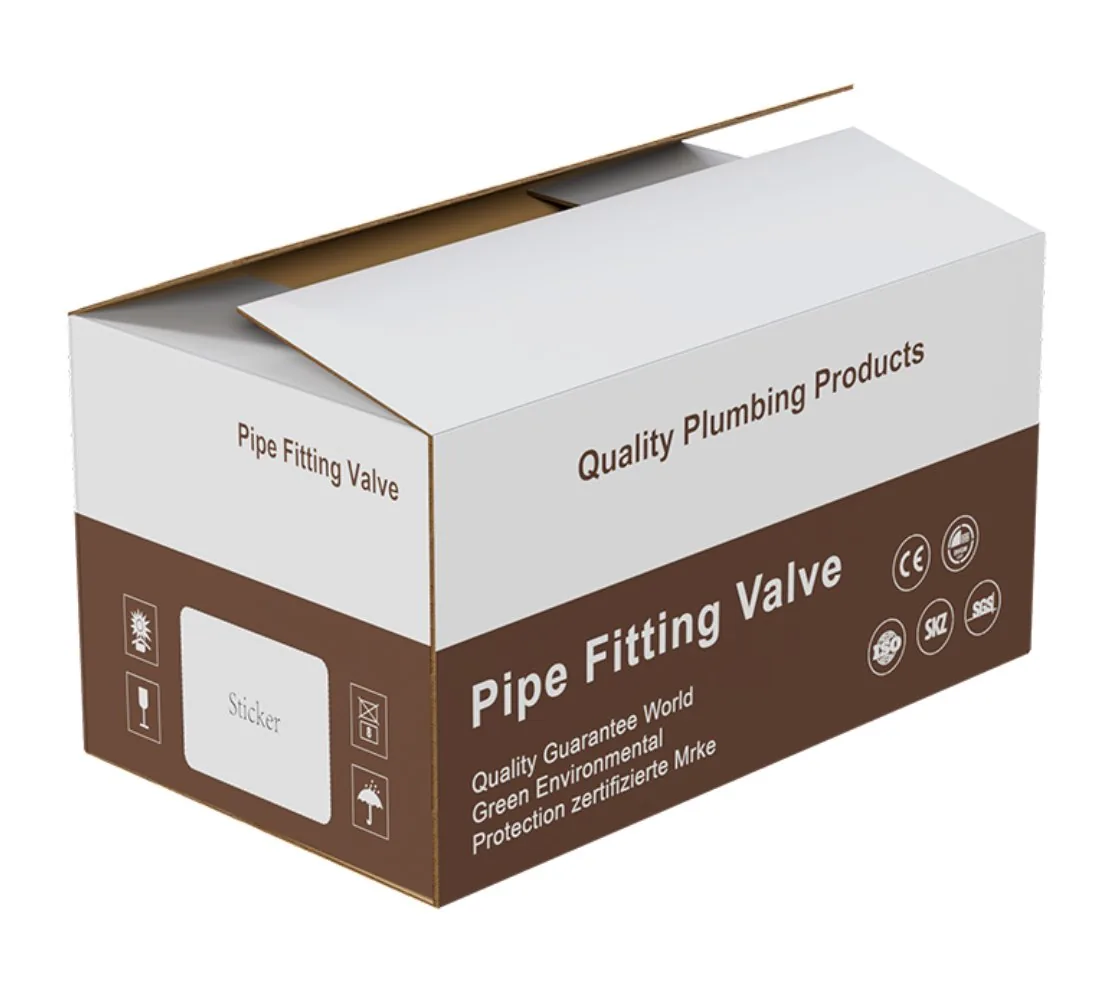
Practically, this means two things for you. First, the marking rules bend in your favour: for UPC/cUPC listed goods, the unit and packaging must carry the manufacturer’s name or trademark — or, in the case of private labeling, the name of the customer for whom the product was manufactured, together with the model number. So your brand and your model codes are what the plumber and inspector see. Second, the underlying compliance stays with the factory. If you switch to a cheaper factory next year, the listing does not travel with you; the new factory’s product has to be listed (or your name added to their file) from scratch. Choose a manufacturer you intend to stay with, because the certification is stickier than the purchase order — which is exactly why a structured private-label and ODM piping program that already holds the base listings de-risks the whole launch.
cUPC / UPC (IAPMO): one certificate, two countries, your name on the mark
For anyone importing plumbing product into the United States or Canada, the UPC/cUPC listing administered by IAPMO R&T is the baseline — many jurisdictions will not let a product be legally installed without it. The nuance most brands miss is what the “c” adds: per IAPMO R&T, products with the UPC mark comply with applicable American codes; products with the cUPC mark comply with applicable American and Canadian codes referenced in the National Plumbing Code of Canada and provincial codes. Better still, IAPMO issues one certificate of listing that covers both countries unless you specifically ask for separate ones. If your growth plan includes Canada, get cUPC from day one — the incremental cost of the Canadian scope is far smaller than re-listing later.
For the private-label brand, the route is straightforward when the factory already holds the listing on the exact product. You are added as a private labeler against that file; your brand and model number replace the factory’s on the unit and packaging; and the mark that appears is a real cUPC mark, not a lookalike. Under IAPMO’s system the certified product is still built and marked at the inspected plant, so the compliance chain is intact. What you should demand from a supplier is proof the listing already exists for the specific pipe or fitting you are buying — ask for the certificate number so you can check it in IAPMO’s public product listing directory yourself. A certificate that lists a different product family than what you’re ordering is worth nothing to you.
NSF: the “Another Name For” option is your best friend — until you relabel off-site
NSF certification is where the private-label mechanism is most explicit, and most dangerous if misread. Potable-water plastics are governed by NSF/ANSI 14 (physical, performance and health-effects requirements for plastic piping components — pipes, fittings, valves, joining materials) and NSF/ANSI 61 (health-effects limits for what a component leaches into drinking water). NSF/ANSI 14 is referenced by the Uniform Plumbing Code and every other major model code, so for a US plastic pipe line it is effectively table stakes alongside cUPC.
The brand mechanism is NSF’s “Another Name For” (ANF) option. By agreement between the certified manufacturer, your company, and NSF, your product and company name can appear separately in NSF’s public listings database — a genuine, verifiable, standalone entry buyers can look up. But it carries one non-negotiable condition: the private labeling must happen at the original certified manufacturer’s location. The moment you take certified pipe and relabel or repackage it somewhere else — your own warehouse, a third-party co-packer, a distributor’s dock — the ANF cover collapses. NSF is blunt about this: “A distributor company cannot buy a product and relabel or repackage it themselves off-site from the original certified production location and retain the NSF certification of the original certified manufacturer.” Off-site relabeling requires a separate certification, including site audits of your location.
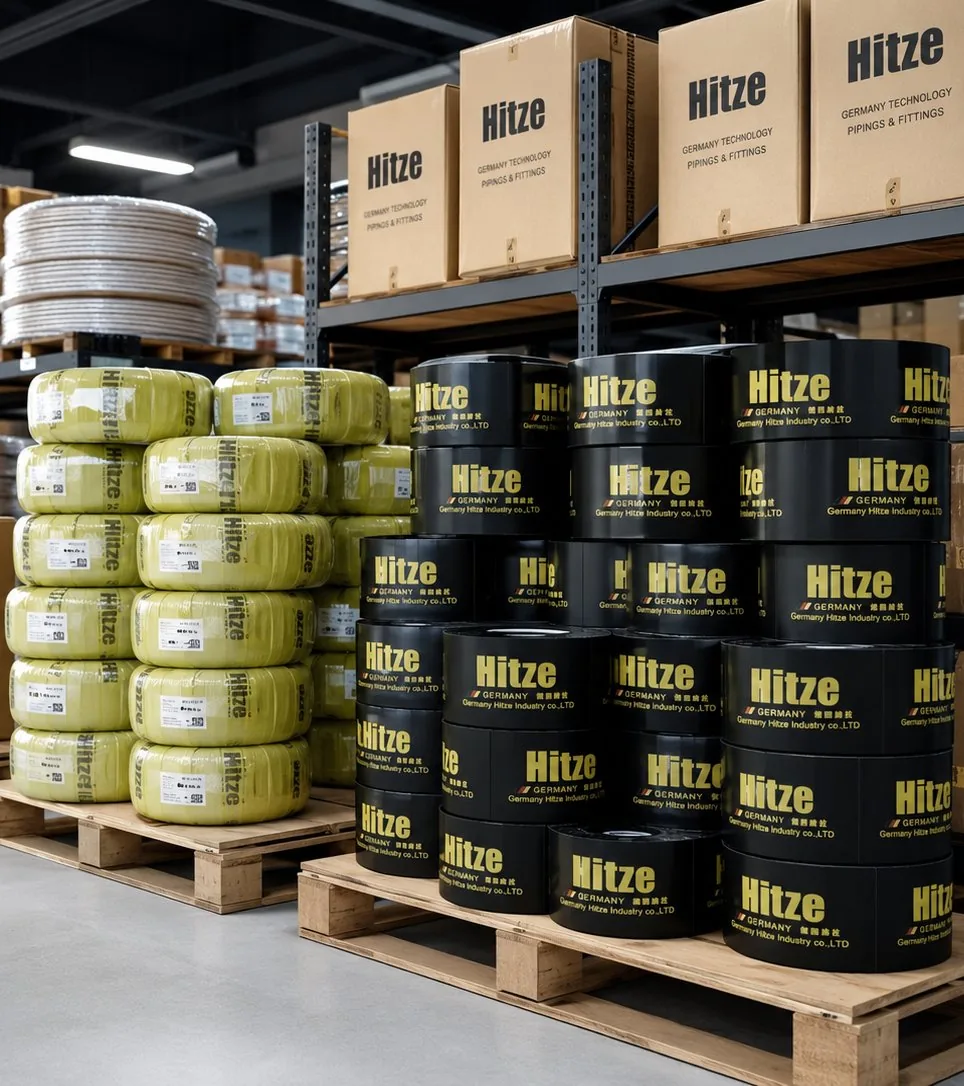
This is the single most common way private-label brands accidentally void their certification: they buy certified product bare, ship it home, and print their own boxes to save a few cents per carton. Don’t. Have your factory print and pack under your brand at the certified plant, and keep the paper trail showing the certified company’s information and product designation on the label alongside yours. That way the product legitimately retains the certification and your name is on file at NSF. It costs a little more per unit up front and saves you a recall.
WRAS (UK): approval is granted to whoever applies — so agree who applies
If your market is the UK, WRAS (the Water Regulations Approval Scheme) is the recognised route to show a product complies with the Water Supply (Water Fittings) Regulations and won’t contaminate or waste drinking water. Two things about WRAS decide how your brand appears on it. First, there are two kinds of approval: Material Approval, which tests a non-metallic material to BS 6920 purely for its effect on water quality, and Product Approval, which assesses the whole product’s mechanical and water-quality performance. A material approval is not a product approval — it says the compound is safe in contact with water, not that your specific valve or fitting is signed off. Know which one your buyer is actually asking for.
Second — and this is the branding lever — WRAS Approval is granted to the applicant (the manufacturer or supplier) who submits the testing and documentation. WRAS is independent of the test houses and does not test itself; it approves the file the applicant files. So the name on a WRAS Approval is whoever applied. If you want your brand to be the named holder, you must be the applicant (or be named on a joint application) — decide this before the factory files, because retrofitting the name later means re-application. And plan around the clock: a WRAS Approval lasts a maximum of five years from the date it’s granted, after which the product must be re-approved (usually limited re-testing if nothing about the material or manufacturing site has changed). Diarise the expiry the day you receive the approval.
Side-by-side: how each scheme handles your brand name
| Scheme (market) | Governs | How your brand appears | The hard condition |
|---|---|---|---|
| cUPC / UPC — IAPMO (US & Canada) | Uniform Plumbing Code material safety & performance | Added as a private labeler to the factory’s listing; your name + model number on unit & packaging | Product built & marked at the IAPMO-inspected plant; one cert covers both countries |
| NSF/ANSI 14 & 61 — NSF (North America potable) | Plastic piping components (14) + drinking-water health effects (61) | “Another Name For” (ANF): your company & product name listed separately in NSF’s public database | Private labeling must occur at the certified plant; off-site relabeling voids it |
| WRAS — WRAS Ltd (UK) | Water Fittings Regulations; material safety to BS 6920 | Approval is granted to the applicant — the named holder is whoever files | Agree who applies before filing; valid a maximum of 5 years, then re-approve |
Read that table as a negotiating checklist, not trivia. Two of the three schemes let your name stand on its own public record (NSF ANF, WRAS applicant); the third puts your brand on the physical product against the factory’s file. In all three, the leverage is the same: you want a factory that already holds the base certification on the exact product, because adding a name to a live file is a documentation exercise measured in weeks, while certifying a new product from zero is full testing measured in months.
What Hitze checks before your name goes on a certificate
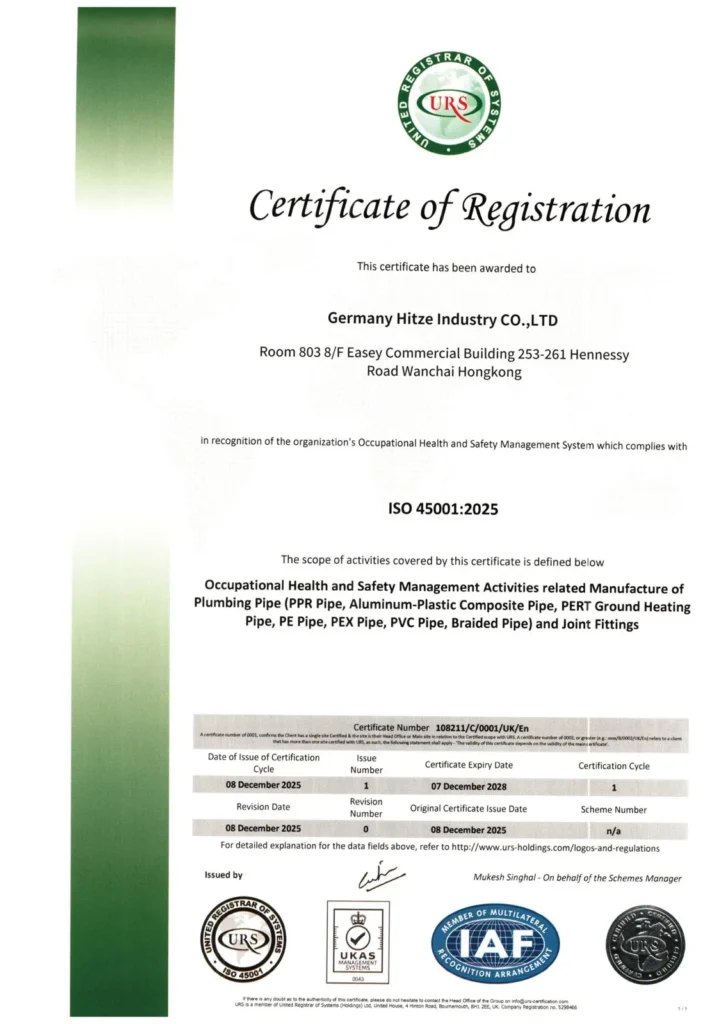
Hitze is a German brand of engineered piping systems, built to German DIN standards and founded in 1974, exporting to 118+ countries — and the certification base already exists, which is the whole point of routing a private label through an established factory rather than starting cold. Germany Hitze Industry holds SKZ testing on PP-R pressure pipe, PP-R fittings and PE-Xb heating pipe; DVGW type examination for PP-R drinking-water pipe; WRAS material approval; and an NSF International Laboratories BS 6920 potable-water test report, alongside ISO 45001 and the SAI Global StandardsMark for AS 4176.8 (the Australian consumer-gas multilayer standard). The company is also certified to cUPC/UPC (IAPMO), NSF-14 and NSF/ANSI 61, and carries CE marking with a Declaration of Performance. Certificate numbers exist on the physical documents and are available on request; because certification is tied to the product and market, the exact scheme that applies to your SKU varies by market and order.
Before your brand goes onto any listing, the process is deliberately unglamorous. First, we confirm which certification your target market legally requires — cUPC for a US big-box program is a different conversation from WRAS for a UK merchant. Second, we check whether the exact product you want is already covered by an existing Hitze listing; if it is, adding your name is a private-label / ANF documentation step, and if it isn’t, we scope the testing honestly rather than promise a paper shortcut. Third — and this is where off-site relabeling would quietly kill an NSF listing — the printing and packing under your brand happens at the certified production base, with the certified company details retained on the label alongside yours, so the certification stays valid. Every joint we build is verified on the line: hydrostatic pressure testing against DIN and EN ISO thresholds, dimensional checks, and marking verification, because an inspector who finds a mismarked coil can pull the whole listing.
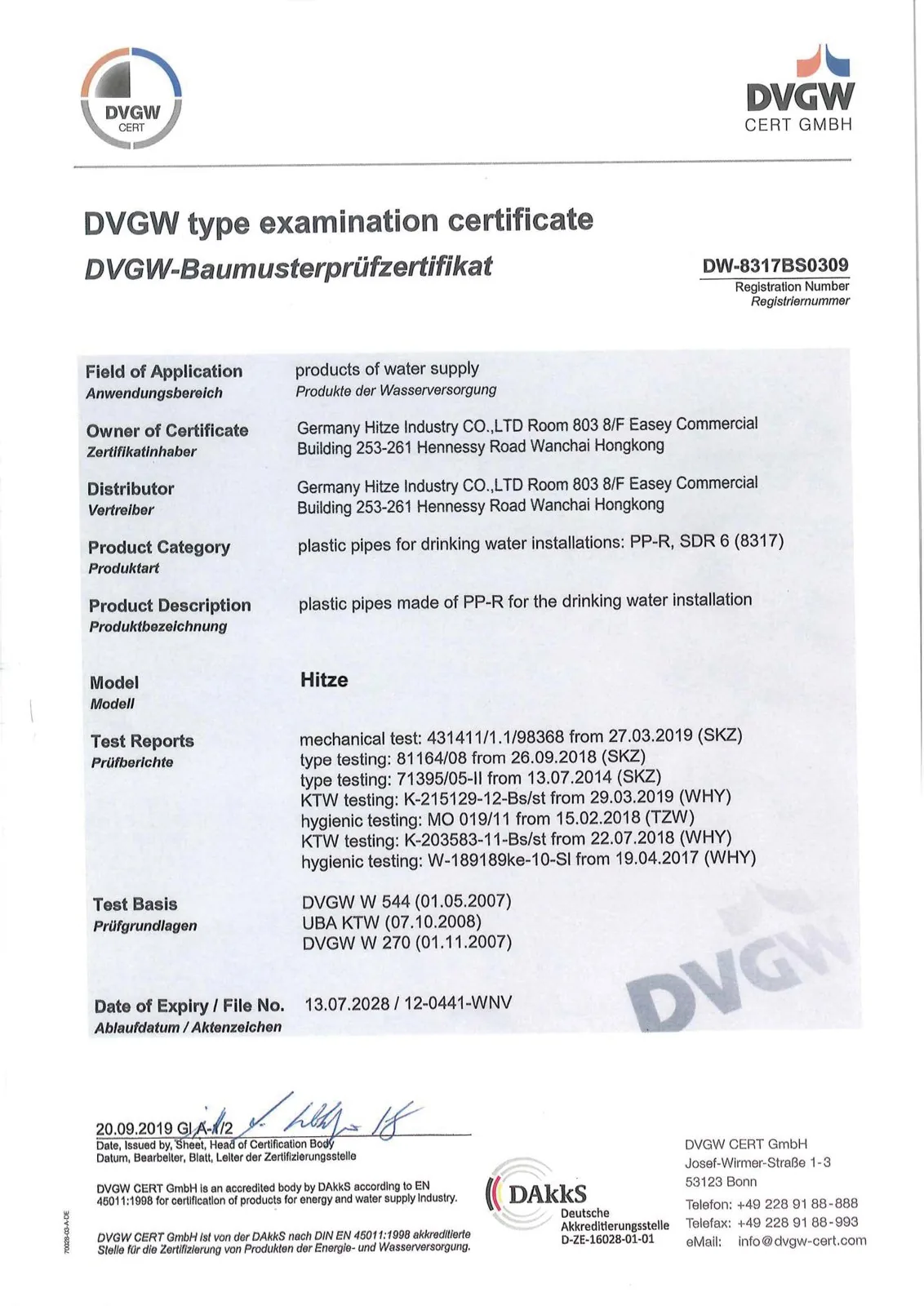
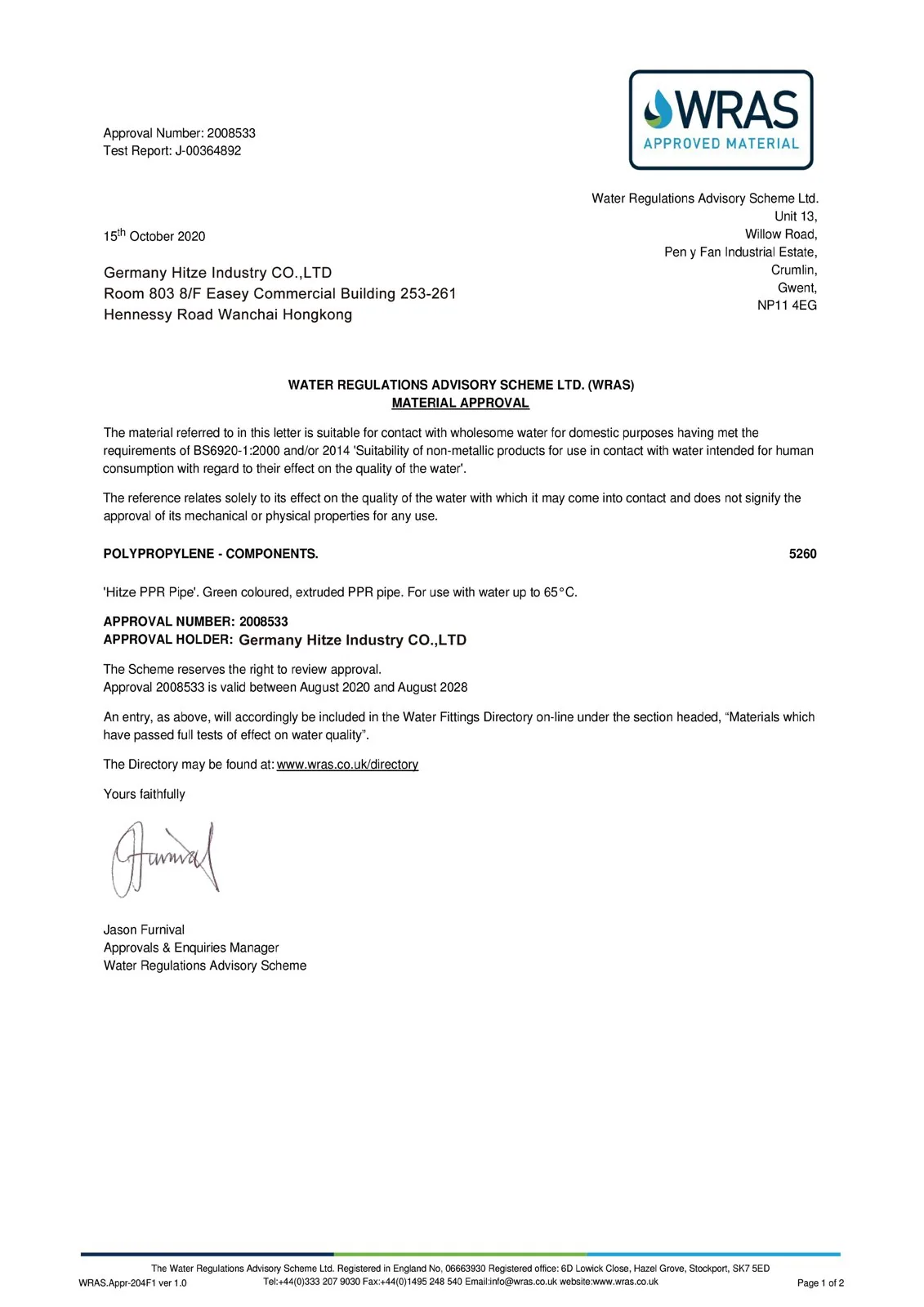
Base certifications already on file — DVGW type examination (left) and WRAS material approval (right) — so a private-label program adds your name to a live listing rather than starting testing from zero.
A worked example: launching a US-and-UK own-brand PEX line
Picture a distributor — call them a regional heating wholesaler — who wants to launch an own-brand oxygen-barrier PEX line for both the US and the UK. Here is how the certification path actually runs. They confirm the two gates: for the US, the product needs cUPC (IAPMO) plus NSF/ANSI 14 and 61 for potable grades; for the UK, WRAS. Because the chosen factory already holds these base listings on the pipe construction they’re buying, the US route is a private-label addition to the IAPMO file and an NSF “Another Name For” registration — their brand and model numbers get printed and the coils packed at the certified plant, and within weeks their company shows up as a separate entry in NSF’s public database that their big-box buyer can verify independently.
The UK side needs a decision the US side didn’t: who is the WRAS applicant? They choose to be named on the application so the approval carries their brand, and they diarise the five-year expiry on the day it’s granted. The trap they avoid: their first instinct was to import bare coils and box them in their own UK warehouse to control branding. That single move would have voided the NSF certification on the North American stock — so instead all branded printing and packing stays at the certified factory, and the warehouse only ever handles finished, correctly-marked, certificate-covered product. Total elapsed time is driven by documentation and, where any testing is genuinely new, lab lead time — which varies by market and order and is quoted on request, never guessed.
Who this route is best for — and who should slow down
Best for: brand owners and importers who want a certified own-brand line in a defined market (US/Canada, UK, or the EU) and are willing to keep printing and packing at the certified plant; distributors who want a verifiable public listing under their own name (NSF ANF, WRAS applicant) to reassure downstream buyers and inspectors; and anyone choosing a long-term manufacturing partner rather than chasing the lowest per-coil price across rotating suppliers.
Not the right fit — yet: brands that insist on relabeling or co-packing off-site to shave carton cost (that breaks NSF certification and complicates the others); buyers who need a market where the factory does not already hold the base listing and aren’t prepared for full-testing timelines; and anyone expecting a certificate to legally transfer with them if they switch factories — it won’t, because the listing lives with the audited production site. If that’s you, the honest answer is to fix the sourcing strategy first and certify second.
Thinking about certifying your own pipe brand?
If you’re a brand owner or importer who wants cUPC, NSF or WRAS documentation to carry your name — and you’re ready to keep printing and packing at the certified plant so the listing stays valid — Hitze runs private-label and ODM programs on an already-certified base of PEX, multilayer, PE-RT, PP-R and brass. Tell us your target market and we’ll tell you honestly which certifications apply, whether an existing listing already covers your product, and what “available on request” turns into for your order.
See how the Hitze private-label & ODM piping program handles branding, packaging and documentation end to end — or review the full certifications & market-compliance picture before you commit.
Compliance note: certifications and their scope are held by Germany Hitze Industry and apply to specific products and markets; the applicable scheme, listing coverage and documentation vary by market and order, and certificate numbers are available on request. Nothing here should be read as a guarantee that a given SKU is pre-listed for a given market — that is confirmed per program. For product-specific detail, see the relevant PEX pipe and multilayer PEX-AL-PEX pages.
Frequently asked questions
Can a cUPC or NSF certificate really be issued under my own brand name?
Your brand can appear on the record, but you usually don’t “own” a standalone certificate. With NSF’s “Another Name For” (ANF) option your company and product name are listed separately in NSF’s public database — provided the private labeling happens at the certified factory. With IAPMO’s UPC/cUPC, your brand and model number go on the unit and packaging as a private labeler against the factory’s listing. In both cases the compliance is anchored to the audited production site, which is what keeps the certificate legally valid.
Will repackaging the pipe in my own warehouse keep the certification?
For NSF, no. NSF states that a distributor cannot buy a certified product and relabel or repackage it off-site while retaining the original manufacturer’s certification — off-site relabeling requires a separate certification with an audit of your location. The safe practice is to have your brand printed and packed at the certified plant, with the certified company’s details kept on the label alongside yours.
What’s the difference between cUPC and UPC, and do I need both?
A UPC mark shows compliance with applicable American codes; a cUPC mark shows compliance with applicable American and Canadian codes referenced in the National Plumbing Code of Canada and provincial codes. IAPMO issues a single certificate covering both countries unless you request separate ones, so if Canada is anywhere in your plan, specify cUPC up front rather than re-listing later.
Whose name goes on a WRAS Approval, and how long does it last?
WRAS Approval is granted to the applicant — the manufacturer or supplier who submits the testing and documentation — so the named holder is whoever files. If you want your brand named, agree to be the applicant (or be named jointly) before filing. A WRAS Approval is valid for a maximum of five years from the date it’s granted, after which the product must be re-approved, usually with limited re-testing if the material and manufacturing site are unchanged.
Is Hitze pipe made in Germany?
Hitze is a German brand, engineered in Germany and built to German DIN standards (for example DIN 8077/8078 and EN ISO 15874 for PP-R, and DIN 4726 for oxygen-barrier heating pipe). Germany Hitze Industry holds its own testing and approvals — SKZ, DVGW, WRAS material approval and an NSF BS 6920 potable-water report among them — and is certified to cUPC/UPC, NSF-14 and NSF/ANSI 61. Certificate numbers are available on request.
How long does it take to get my brand certified?
It depends entirely on whether the factory already holds the base listing for your exact product. If it does, adding your name is largely a documentation review — weeks, not months. If the product needs fresh testing to a standard the factory hasn’t yet listed, you’re into full lab testing on the issuing body’s timeline. Exact timelines vary by market and order and are quoted on request; be wary of any supplier who promises a fixed number without seeing your product and target market.