Key Takeaways
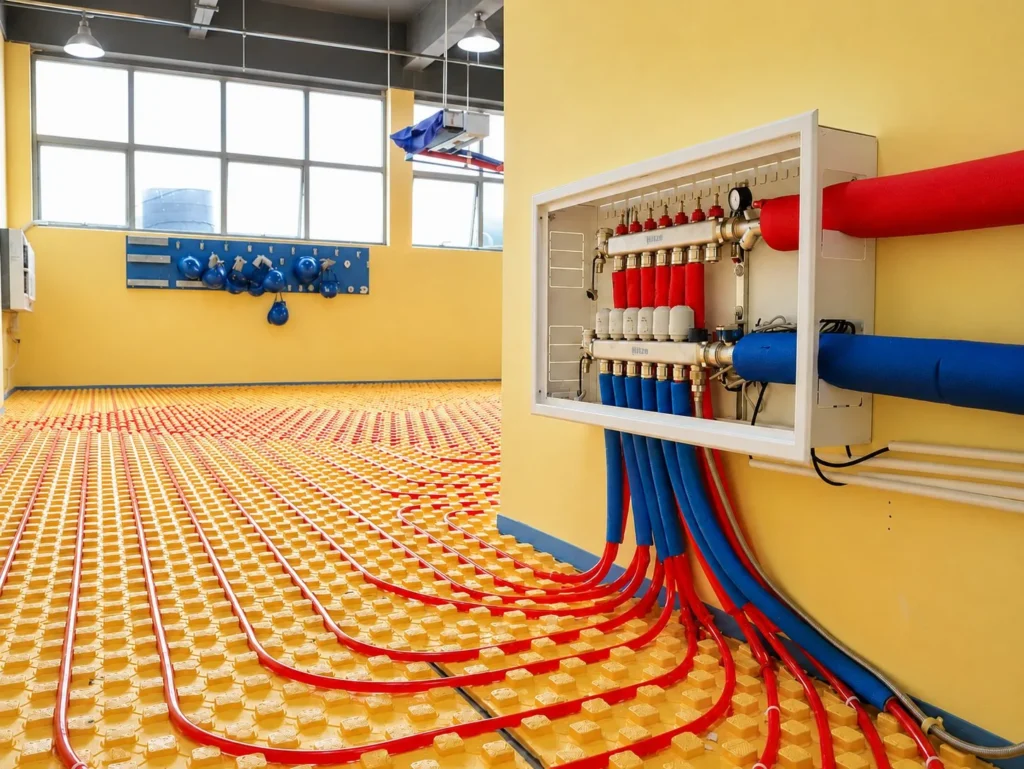
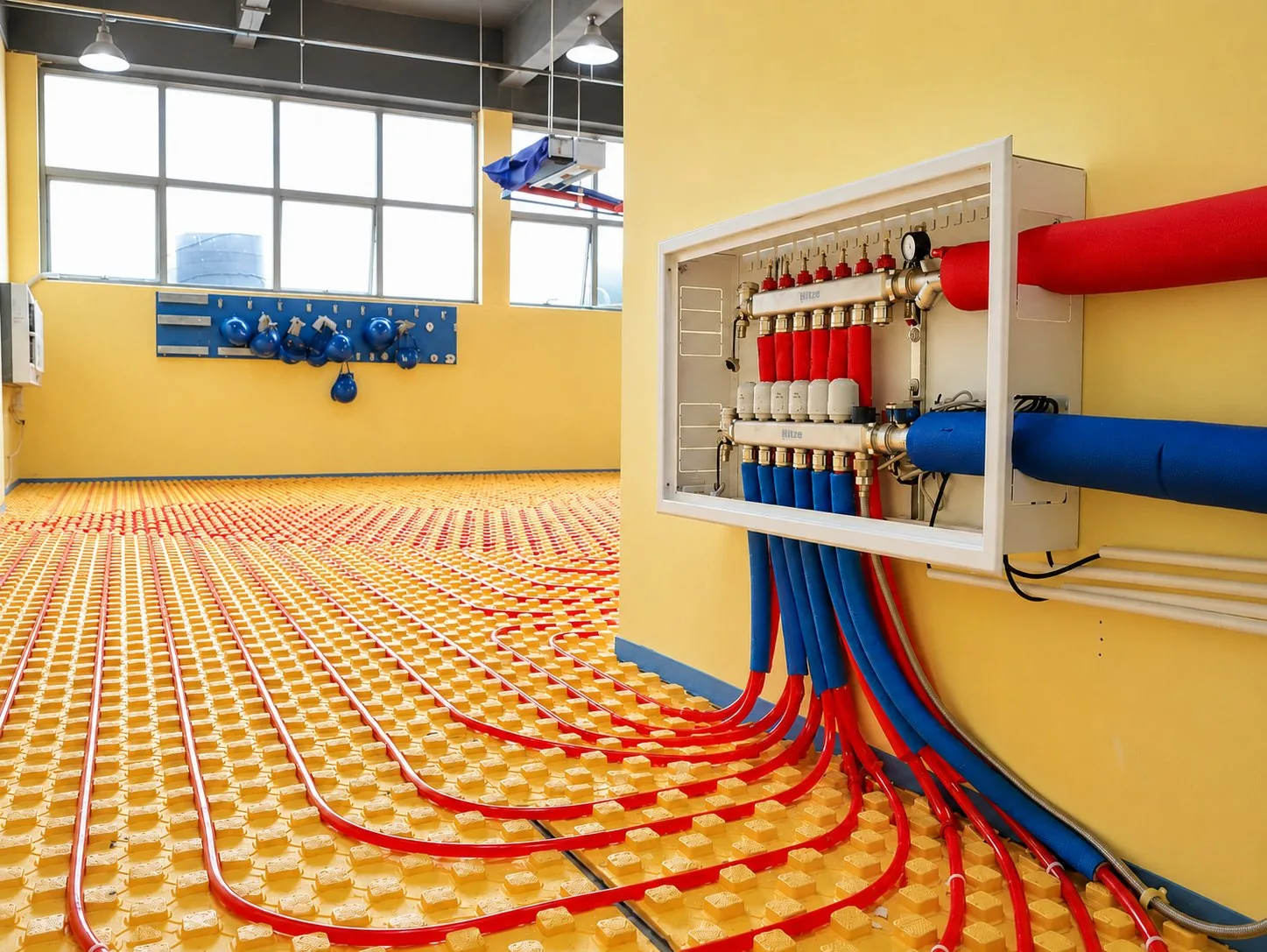
- Neither pipe “fails under a heated floor” if it carries an oxygen barrier and is sized right. The real failure driver in radiant systems isn’t the polymer — it’s non-barrier pipe rusting out your boiler and pump. Both PE-RT and PEX are rated for the job; DIN 4726 is the line that matters.
- PE-RT is the easier install: softer, lays flat, no memory to fight, and repairable by fusion. It’s the volume choice for screed floors at Class 4 (≈60 °C working temperature).
- PEX-a wins on abuse tolerance: highest degree of crosslinking (ASTM F876 minimum 70% vs 65% for PEX-b/PEX-c), pipe-level shape memory, and better kink recovery and freeze survivability. It’s the pick for high-temp radiator loops (Class 5), tight schedules, and cold-climate jobs.
- Connection method is the deciding factor for most installers — PEX-a cold-expands using its own shape memory, while PE-RT cold-expands only in an F1960 system that carries the contraction force in a PEX reinforcing ring (ASTM F1960 explicitly covers PE-RT to F2769). Choose the pipe your fitting system and press tool are already approved for.
- Hitze supplies both — DIN 4726 oxygen-barrier PE-RT and PEX-a/b/c heating grades — so you can spec by loop, not by whatever a single-product supplier happens to stock.
Every radiant installer who has pulled up a screed floor to chase a leak asks the same question before the next job: which pipe won’t come back to bite me? The honest answer is that the pipe polymer is rarely what fails. Modern PE-RT and modern PEX are both engineered for continuous hot-water heating service, both are covered by mature standards, and both will outlive the screed if you install them correctly. What actually kills radiant systems is oxygen ingress corroding the ferrous side of the loop, undersized loops that never reach temperature, and connection choices that don’t match the pipe. This comparison is written for the person laying the loops and standing behind the warranty — not for a spec sheet. We’ll take positions, tell you where each pipe genuinely wins, and be explicit about the trade-offs a datasheet glosses over.
The material difference in one paragraph — and why it matters at floor temperatures
PEX is cross-linked polyethylene: the polymer chains are chemically bonded into a three-dimensional network. That network gives PEX its heat resistance, memory, and burst tolerance, but it also means PEX cannot be re-melted or fusion-welded — once it’s crosslinked, it’s set. PE-RT (polyethylene of raised temperature resistance) takes a different route: it is not crosslinked. Instead, a special octene co-monomer builds a controlled side-branch crystalline structure that holds pressure at elevated temperature without chemical crosslinking. The practical consequence is the whole ballgame for an installer: because PE-RT stays thermoplastic, it can be socket- or butt-fused and repaired with a hot-melt joint; because PEX is thermoset, it can’t be fused but it holds a cold-expansion joint on its own pipe-level shape memory. PE-RT can still be cold-expanded — ASTM F1960 explicitly covers PE-RT pipe to F2769 — but the contraction force comes from a PEX reinforcing ring rather than the pipe itself, so the fitting system has to be F1960-rated for PE-RT specifically.
At underfloor temperatures this matters less than the marketing implies. A radiant floor at an ISO 10508 Class 4 profile runs a continuous working temperature around 60 °C — well inside the envelope of both materials. (Strictly, the ISO classes are 50-year cumulative temperature profiles with defined malfunction excursions, not single design temperatures; the “≈60 °C” and “≈80 °C” figures below are the working-temperature shorthand installers use.) In North America, PE-RT tubing to ASTM F2769 is rated for 100 psig (6.9 bar) water service up to and including 180 °F (82 °C); internationally, PE-RT for hot and cold water is governed by ISO 22391 / EN ISO 22391, with material requirements set in DIN 16833 for PE-RT Type I and the higher-temperature Type II. PEX heating tubing is specified under ASTM F876/F877, the latter explicitly covering sealed central and under-floor heating systems. Both sit comfortably above a screed floor’s operating temperature. The difference you feel is on the job, not in the loop.
Head-to-head: the eight decisions that actually change on the job
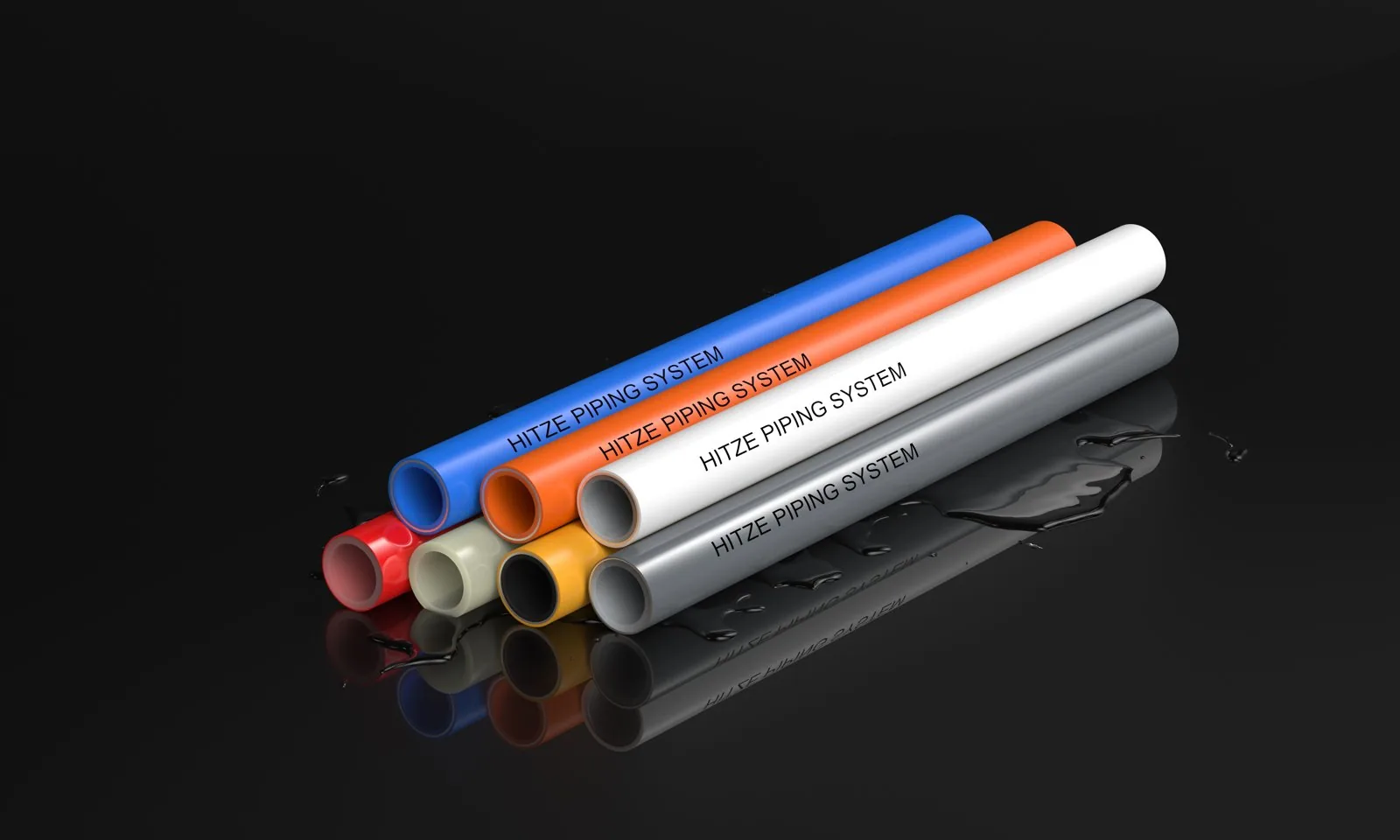
Below is the comparison the way an installer weighs it — not “which is better” in the abstract, but which property changes your day, your tool list, or your callback rate. Treat PEX-a as the reference PEX here (it’s the grade that differs most from PE-RT); PEX-b and PEX-c sit between PE-RT and PEX-a on flexibility and memory.
| Decision point | PE-RT | PEX-a |
|---|---|---|
| Flexibility on the deck | Softer, lays flat, less spring-back — fast to clip on straights | Very flexible, tightest bend radius, but some coil memory to fight |
| Kink recovery | A kink is usually permanent — cut it out | Shape memory lets a kink be reflowed with a heat gun |
| Connection method | Insert + crimp/clamp ring, press, or hot-melt fusion. Cold expansion only in an F1960 system rated for PE-RT (a PEX reinforcing ring supplies the contraction force; the pipe alone won’t retract). | Insert + crimp, press, and cold-expansion (ASTM F1960) on the pipe’s own shape memory |
| Repairability | Can be fusion-welded — a hot-melt repair restores full pressure rating | Cannot be fused; repair by coupling/fitting only |
| High-temp / radiator loops | Type II grades handle Class 5; verify the print line | Strong margin at Class 5 (≈80 °C working temperature) |
| Freeze / burst tolerance | Good, but less elastic recovery than PEX-a | Best-in-class expansion/recovery under freeze events |
| Cold-weather handling | Stiffens and gets harder to work when cold | Stays workable at lower temperatures |
| Oxygen barrier (the one that matters) | EVOH barrier grade to DIN 4726 required | EVOH barrier grade to DIN 4726 required |
Notice the pattern: PE-RT’s advantages are about ease and repair, PEX-a’s are about abuse tolerance and connection flexibility. On a clean new-build screed floor at 60 °C, PE-RT’s ease usually wins and you’ll never exercise PEX-a’s memory advantages. On a retrofit, a mixed radiator-and-floor system, or a job that will sit exposed through a freeze before commissioning, PEX-a’s margin earns its slightly higher price.
The oxygen barrier is the failure you should actually fear
Here’s the insider warning that reframes the whole PE-RT-vs-PEX argument: the pipe polymer almost never causes the failure that gets you called back. Oxygen does. Bare polyethylene — whether PE-RT or PEX — is permeable to oxygen. In a sealed hydronic loop, that oxygen diffuses through the pipe wall and attacks every ferrous component it can reach: the cast-iron boiler heat exchanger, the pump impeller and volute, the steel manifold body, and any black-iron near-boiler piping. The result is magnetite sludge, seized pumps, and boiler failure two to five years in — long after you’ve left the site, and it looks like everything but a pipe problem.
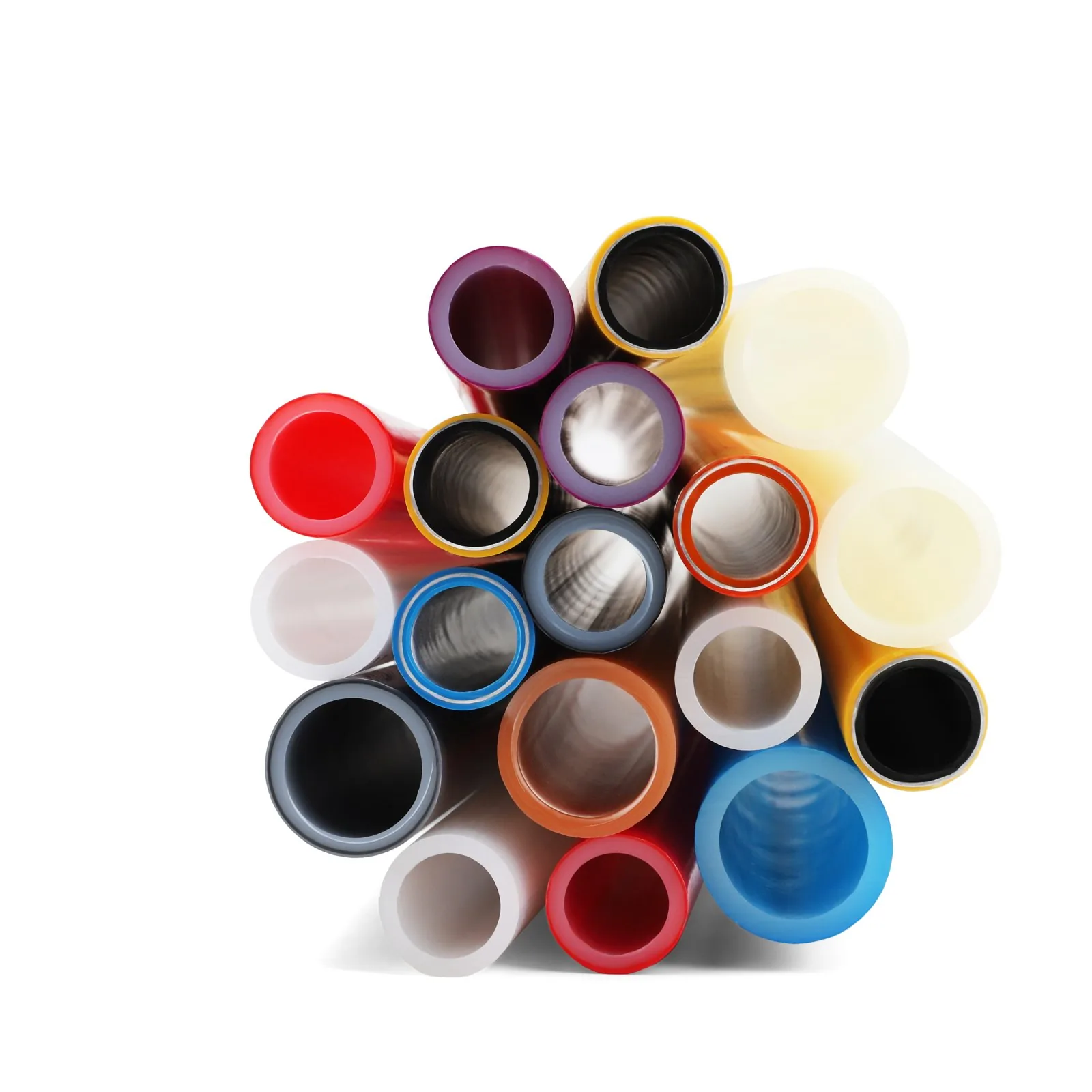
DIN 4726 is the standard that draws this line. It caps oxygen permeability of heating pipe at ≤ 0.32 mg/(m²·d) at 40 °C (and ≤ 3.60 mg/(m²·d) at 80 °C); any system built with pipe above that limit is required to add mechanical corrosion protection — a system separation via a heat exchanger, or continuous chemical dosing. To hit the DIN 4726 number, a barrier grade co-extrudes a layer of EVOH (ethylene vinyl alcohol) into the pipe wall. This is why barrier radiant pipe is typically a five-layer co-extrusion rather than bare tube — the core, tie layers on either side, and the EVOH barrier — the construction manufacturers such as Rehau and Emmeti publish for their DIN 4726 barrier grades. The decision that protects your customer’s boiler is not “PE-RT or PEX” — it’s “barrier or non-barrier,” and the answer for any hydronic radiant floor is always barrier. Use non-barrier pipe (the blue potable coils) on a radiant loop and you have built a corrosion machine, regardless of which polymer you chose.
Connections: the real reason installers pick one over the other
If you strip away the datasheet noise, most installers actually choose pipe by the fitting system they already own — and this is where PE-RT and PEX genuinely diverge. Because PEX-a is crosslinked and has shape memory, it supports the cold-expansion method (ASTM F1960, the technique behind expansion-ring “ProPEX”-style systems) on the pipe itself: you expand the pipe and a reinforcing ring, insert the fitting, and the memory shrinks the pipe back down over it into a full-bore joint with no O-ring to fail. Here is the nuance the spec sheets blur: PE-RT can be cold-expanded too — ASTM F1960 explicitly covers PE-RT pipe to F2769, and manufacturers such as Watts sell F1960 cold-expansion fittings validated for their PE-RT tubing — but PE-RT has no pipe-level shape memory, so the joint relies entirely on the PEX reinforcing ring’s contraction to clamp down. The practical rule that follows: only use an F1960 assembly that is specifically approved for PE-RT, never assume a PEX-only expansion fitting or ring will hold on PE-RT, and confirm the pipe is F2769-rated. Beyond cold expansion, PE-RT is also joined by insert fittings with a crimp or stainless clamp ring, by press fittings, or — uniquely — by hot-melt socket or butt fusion.
That gives you a clean decision rule. If your crews are set up around an expansion tool, PEX-a is the default because it expands on its own memory, and any PE-RT you run through that tool must be F2769 tubing paired with an F1960 assembly the maker has approved for PE-RT — do not run a PEX-only expansion fitting or ring on PE-RT and assume it holds. If you standardize on press or compression fittings, both pipes work and PE-RT’s easier handling tips the balance. And if you run large-diameter manifold headers or district-heating-style connections where fusion is preferred, PE-RT’s fusibility is a genuine, PEX-can’t-do-this advantage. One caution from the field: crimp and press systems are approval-matched to a pipe’s outer-diameter tolerance. Mixing another brand’s PE-RT into a fitting system rated for a different tolerance is the classic source of weeping joints that pass the initial pressure test and fail under thermal cycling. Keep pipe and fitting inside one approved, dimensionally-matched system.
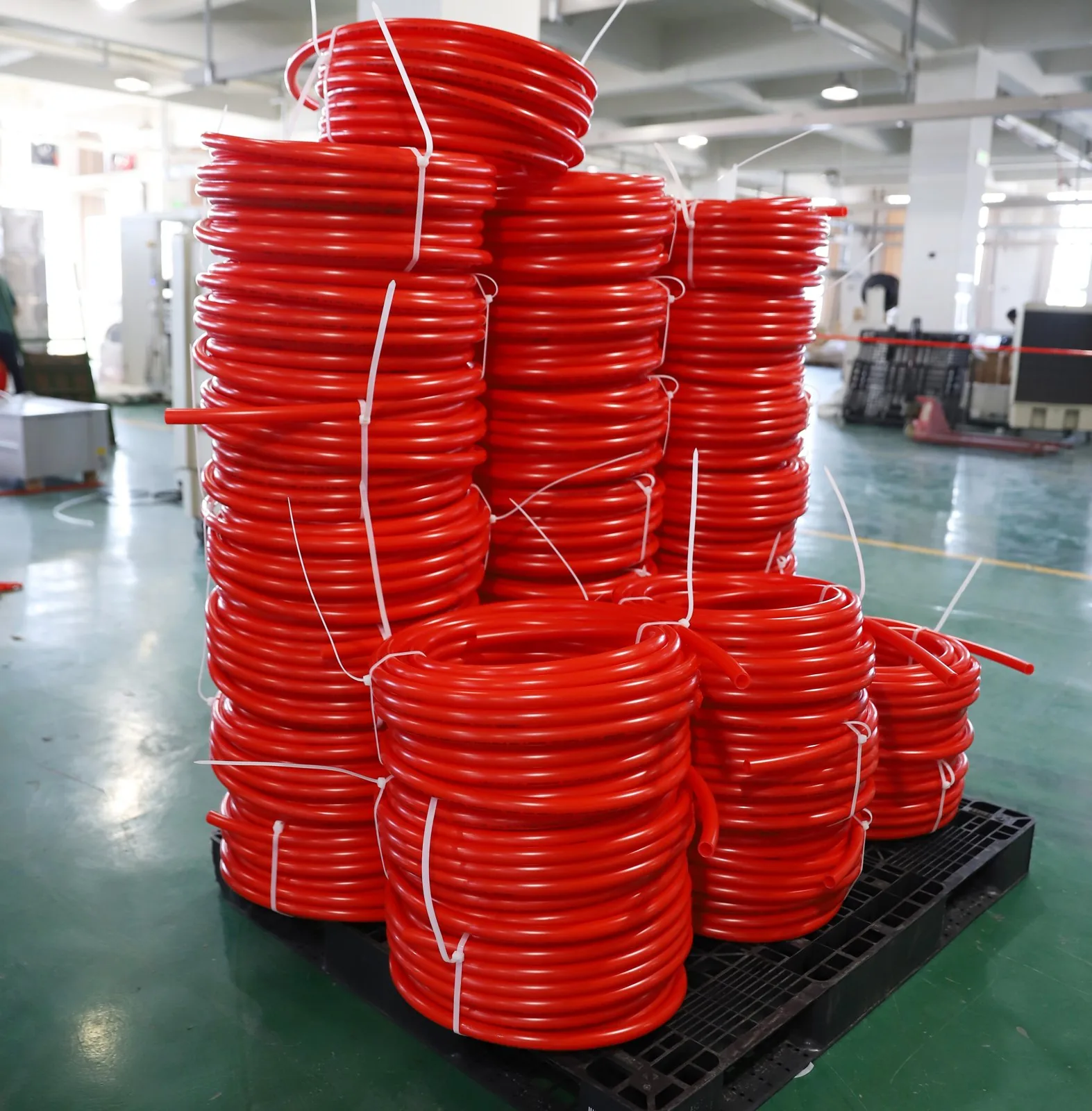
Best for / not for: pick by the job in front of you
There is no universal winner, so stop looking for one. Match the pipe to the loop:
Choose PE-RT when:
- New-build wet screed floors at Class 4 (≈60 °C working temperature) — the highest-volume radiant job there is.
- You want the fastest, flattest lay-down with the least spring-back over large open areas.
- Your system uses fusion or press/crimp joints, or you value the ability to fusion-repair a damaged length to full rating.
- Cost-per-metre matters and the install environment is warm and controlled.
Choose PEX-a when:
- Higher-temperature radiator loops or mixed radiator-plus-floor systems at Class 5 (≈80 °C working temperature).
- Your fitting system is cold-expansion (F1960) — you’re committed to PEX by the tool.
- Retrofits with tight bends, cold-weather installs, or pipe that will sit exposed through a possible freeze before commissioning.
- You want the widest abuse margin and the option to reflow a kink rather than cut it out.
Don’t overthink PEX-b vs PEX-c: ASTM F876 sets the same 65% minimum degree of crosslinking for both (against 70% for PEX-a), and in practice they split the difference between PE-RT and PEX-a on flexibility and memory. PEX-b (silane) is the workhorse potable and barrier-heating grade; PEX-c (electron-beam) is a clean, chemical-free crosslink. For a barrier radiant floor, any of the three from a properly-tested source will serve — the barrier and the fitting match matter far more than the crosslink letter.
A worked scenario: two floors, two right answers
Take a real dual-job week. Job one is a 180 m² ground-floor slab in a new house: single-storey wet screed, one temperature zone, heat pump running low-temperature water around 35–45 °C flow. Here PE-RT is the correct call. The runs are long and open, the design temperature is nowhere near the material limit, the softer pipe clips down fast with no fighting the coil, and if a follow-on trade puts a screw through a loop before the pour, you can fusion-repair the length instead of installing a coupling you’ll worry about. You spec barrier PE-RT to DIN 4726, clamp or press the manifold tails, pressure-test to your local requirement, and leave it under pressure through the pour.
Job two is a heritage retrofit: suspended timber floors, tight joist bays, a gas boiler feeding both the new floor loops and existing upstairs radiators at 70–75 °C, and the building will sit un-commissioned through winter. Here PEX-a earns its premium. The tight bends between joists exploit its flexibility, the Class 5 radiator temperatures sit comfortably in its margin, the cold-expansion fittings your crew already carries make up the manifold fast, and if the shell freezes before you fire the boiler, PEX-a’s elastic recovery gives you the best odds of no split. Same installer, same week, two pipes — because the jobs are genuinely different. A supplier that only sells one polymer forces the wrong pipe onto one of these floors.
What Hitze checks, and how the heating pipe is built
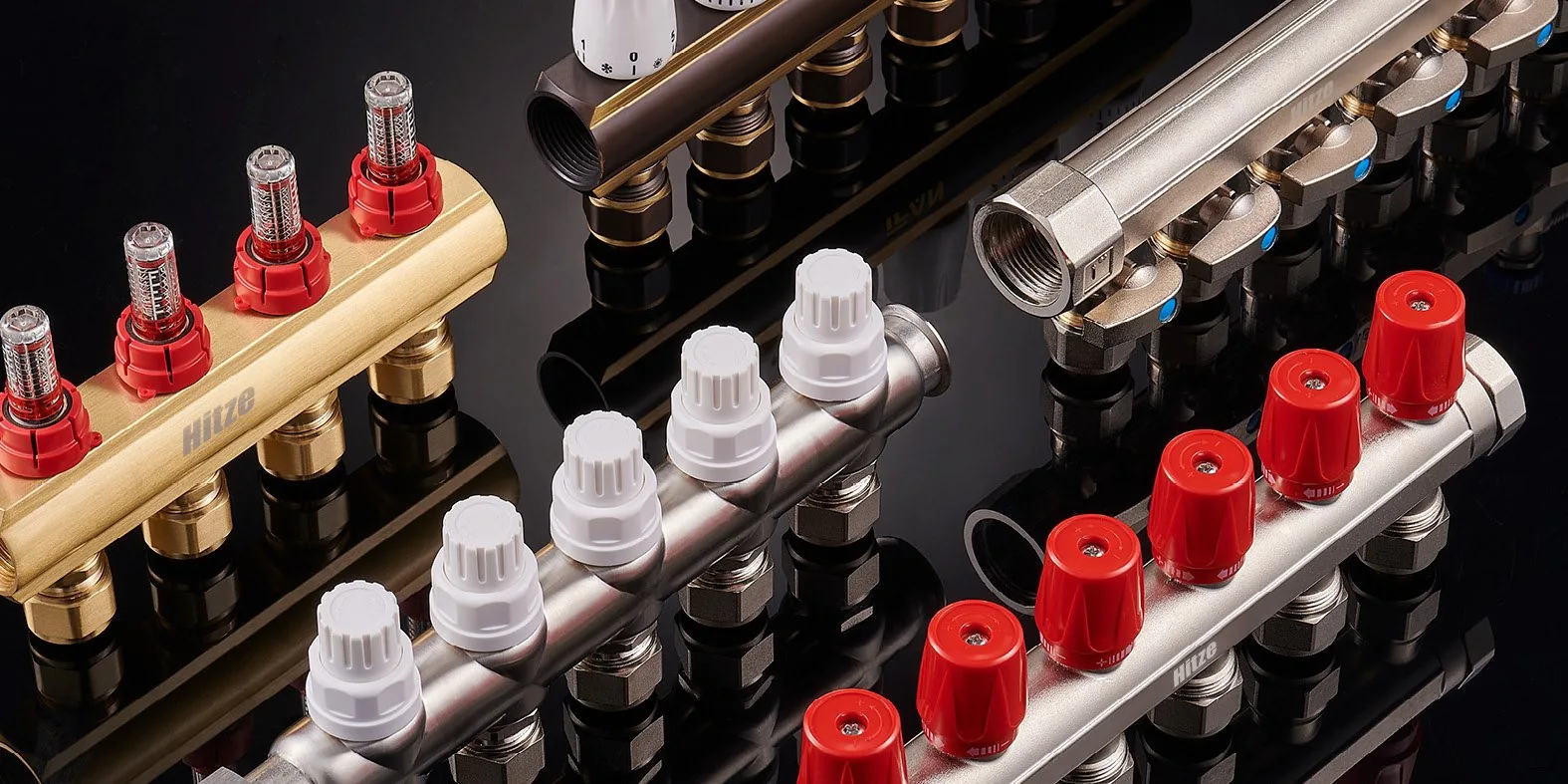
Hitze is a German brand of engineered piping systems, engineered in Germany and built to German DIN standards, and — unlike single-product suppliers — we extrude both sides of this comparison: PE-RT underfloor-heating pipe with a DIN 4726 oxygen barrier, and oxygen-barrier PEX-a, PEX-b and PEX-c heating grades. Because the range is single-source, an installer or distributor can spec by loop rather than being pushed toward whatever one polymer a narrow supplier happens to make.
On the build itself: barrier heating pipe is a five-layer co-extrusion — the pressure-bearing PE-RT or PEX core, tie layers, and the EVOH oxygen barrier laminated into the wall so oxygen ingress stays under the DIN 4726 limit rather than being a surface coating that abrades off. Wall thickness and outer-diameter tolerance are held tight because the OD tolerance is exactly what makes a crimp, press or expansion joint seal repeatably; a pipe that drifts out of tolerance is the hidden cause of joints that pass first test and weep later. On the standards side, Hitze holds real, numbered certificates that are relevant here: SKZ (Süddeutsches Kunststoff-Zentrum, Germany) testing that covers PP-R pressure pipe, PP-R fittings and PE-Xb heating pipe, plus ISO 45001 management-system registration. Certificate numbers exist on the physical documents and specific listings are available on request; we don’t publish numbers we can’t put a live certificate behind. Founded in 1974, with a 120,000 m² production base, 1,000+ employees and exports to 118+ countries, the point for you is boring in the best way: consistent dimensions, barrier pipe that actually meets the barrier spec, and matched fittings and manifolds so pipe, joint and header live inside one approved system.
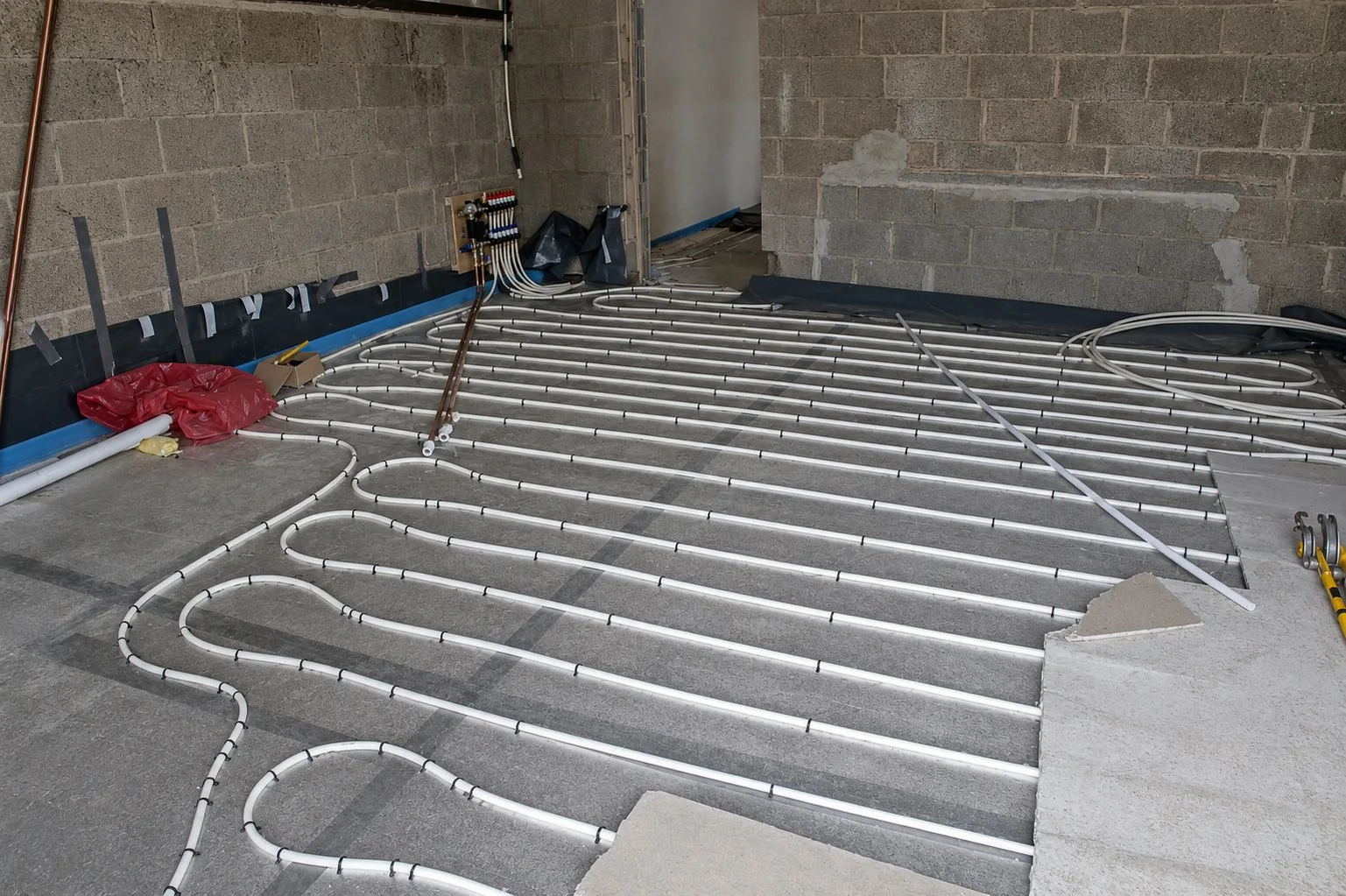
Speccing radiant loops for a project or a distribution range?
This one is for contractors and radiant-heating distributors who need both PE-RT and PEX barrier pipe from one dimensionally-matched, DIN 4726-tested source — with the manifolds and fittings to go with them. If you’re a homeowner buying a single loop, we’re trade-and-wholesale only, so this isn’t for you. If you’re specifying or stocking radiant systems, Hitze can supply the pipe, the manifolds and the matched brass as a single system — backed by a 50-year warranty on the matched Hitze pipe-and-fitting system when pipe, fitting and manifold all come from the one approved range. Talk to us through contractor radiant-heating supply to get spec support, DoP and certification documentation, and pricing that varies by market and order.
Frequently asked questions
Is PE-RT or PEX better for underfloor heating?
For a standard new-build screed floor at around 60 °C design temperature, PE-RT is usually the better practical choice: it’s softer, lays flatter, has no coil memory to fight, and can be fusion-repaired to full rating. PEX-a is the better choice for higher-temperature radiator loops, tight retrofit bends, cold-weather installs, and any system built around cold-expansion (ASTM F1960) fittings. Both perform well as long as the pipe carries an oxygen barrier to DIN 4726.
Can PE-RT use the same fittings as PEX?
Partly. PE-RT and PEX both accept insert fittings with crimp or clamp rings and press fittings, provided the fitting is rated for the pipe’s outer-diameter tolerance. Cold expansion (ASTM F1960) works with both, but differently: PEX-a expands on its own shape memory, while PE-RT has none, so an F1960 joint on PE-RT relies entirely on the PEX reinforcing ring to clamp down. Use only an F1960 assembly the manufacturer has approved for PE-RT (F2769) tubing — never assume a PEX-only expansion fitting or ring will hold on PE-RT. Always keep pipe and fitting inside one approved, dimensionally-matched system to avoid joints that weep under thermal cycling.
Does underfloor heating pipe really need an oxygen barrier?
Yes, for any sealed hydronic system with ferrous components. Bare polyethylene lets oxygen diffuse through the wall and corrode the boiler, pump and steel manifold, producing sludge and premature failure. DIN 4726 caps permeability at ≤ 0.32 mg/(m²·d) at 40 °C; hitting it requires an EVOH barrier layer. Non-barrier potable pipe on a radiant loop is a common and expensive mistake — use barrier grade every time.
What temperature can PE-RT and PEX handle?
PE-RT tubing to ASTM F2769 is rated for 100 psig (6.9 bar) up to 180 °F (82 °C); internationally, PE-RT and PEX are classified by ISO 10508 / ISO 22391 service classes — Class 4 covers floor heating and low-temperature radiators, Class 5 covers higher-temperature radiators. Both materials sit above normal underfloor operating temperatures. For sustained Class 5 radiator service, verify the printed class on the pipe (PE-RT Type II grades to DIN 16833 give the extra elevated-temperature margin).
Which pipe survives freezing better?
PEX-a generally has the best freeze tolerance because its crosslinked structure allows more elastic expansion and recovery when water freezes and expands inside the pipe. PE-RT performs acceptably but with less elastic recovery. If a job will sit un-commissioned through a freeze, or is in a cold climate, that margin is a real reason to spec PEX-a — though no plastic pipe is a substitute for proper insulation and draining vulnerable sections.
Is Hitze pipe made in Germany?
Hitze is a German brand of engineered piping systems, engineered in Germany and built to German DIN standards, with SKZ testing on its PP-R and PE-Xb heating pipe and DVGW type examination on its potable PP-R. We supply both DIN 4726 oxygen-barrier PE-RT and PEX-a/b/c heating grades to trade and wholesale buyers across North America and Europe. Certification listings and documentation are available on request.
External references: ASTM F2769 (PE-RT) · ASTM F876 (PEX tubing — crosslinking minimums) · ASTM D2765 (crosslink-degree test method) · ASTM F877 (PEX systems) · ISO 10508 (service classes) · ASTM F1960 (cold-expansion fittings for PEX & PE-RT) · DIN 4726 / DIN-CERTCO (heating-pipe O2 barrier) · Watts RadiantPERT (F1960-compatible PE-RT) · Viega (PEX crosslinking degrees, supporting)


