Illustrative scenario: three suppliers price “20 mm PP-R pipe” on different wall and packing assumptions. Return one completed schedule before comparing prices. A usable RFQ fixes pipe and fitting specifications, quantities, packing and delivery point; the reply must identify minima, production status, timing dependencies and approval scope.
Key Takeaways
- Specify OD, series, application class with design pressure, fittings and packing before comparing PPR quotes.
- Confirm MOQ units and mixing rules; require a timing start event and named delivery stage.
- Verify approval scope and validity for the selected product; retain the accepted specification for reorders.

On this page
- Why three PPR quotes never match
- Fix the pipe line item: OD, series and class
- Grade the answer, not the brochure
- Read the print line before the certificate
- Ask for the certificate set by scope and issuer
- Packaging, marking and the Incoterm
- Worked comparison: normalising two quotes
- How Hitze answers its own checklist
Why three PPR quotes never match: the four fields nobody fixed
For OD20 mm, the standard’s class-A table gives 1.9 mm in S5 and 3.4 mm in S2.5. Those are different specifications. Fusion-jointed pipe also requires a minimum 2.0 mm wall, so do not select an undersized series solely from price. Ask each supplier to return the same completed size schedule.
| Field left blank | What the supplier fills in | Effect on the quoted number |
|---|---|---|
| Pipe series / SDR | An unspecified series; request the exact proposed series | Wall affects material per metre; compare identical specifications |
| Application class + design pressure | A PN label without the intended class; ask for the duty basis | Pipe that is correct for one duty and unusable for another |
| Fitting standard and insert type | An unspecified joint or insert; request construction and material | Construction and the fitting mix can change the quotation |
| Carton / pallet basis | An unspecified packing basis; request the included sale and shipping units | Packing can affect quoted unit cost, freight and handling; confirm inclusions |
Fix the pipe line item: OD, series and the class that governs both
Give outside diameter, series or SDR, application class and design pressure, material construction, length and quantity units. For fittings, identify the standard, joint form and any insert material. State the intended service rather than letting a bare PN label substitute for it.
Selected dimensions below come from ISO 15874-2:2013(E), Table 5, class A, not a current Hitze TDS. The checked supplier-hosted standard excerpt also contains clause 6.2.2 (fusion), Table 9 (wall tolerance) and Table 12 (marking). Mean OD limits are 20–20.3, 25–25.3 and 32–32.3 mm. Wall tolerance is +0.4 mm above 2 through 3 mm and +0.5 mm above 3 through 4 mm. Agree the applicable edition and inspection method before award.
| OD (mm) | S5 wall (mm) | S4, PP-RCT only (mm) | S3,2 wall (mm) | S2,5 wall (mm) |
|---|---|---|---|---|
| 20 | 1,9 | 2,3 | 2,8 | 3,4 |
| 25 | 2,3 | 2,8 | 3,5 | 4,2 |
| 32 | 2,9 | 3,6 | 4,4 | 5,4 |
Table 5 footnote a restricts S4 to PP-RCT. It is not a general PP-R option. Match the material designation as well as the selected series. Fusion-jointed pipe requires at least 2.0 mm wall; the tabulated 1.9 mm S5 value alone does not satisfy that jointing requirement.
For importers and stocking distributors pricing a range: the PP-R catalogue lists the OD 20–110 mm (DN15–DN90) span with wall and bore figures, the class-and-bar pairings, and the DIN 8077/8078 and EN ISO 15874 references to quote in your request.
Grade the answer, not the brochure: what a real supplier reply contains
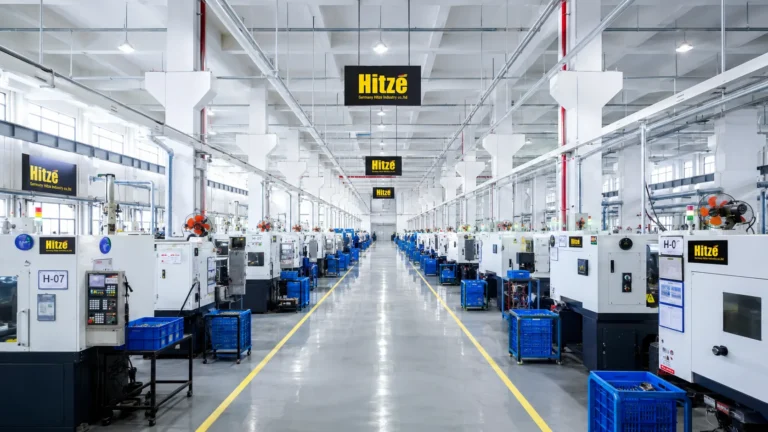
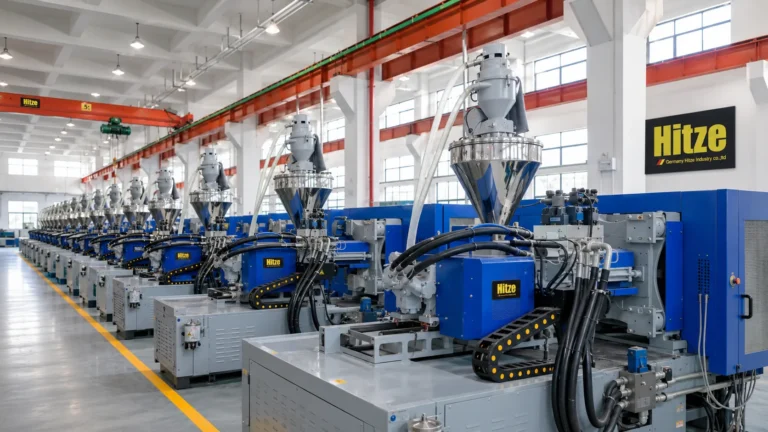
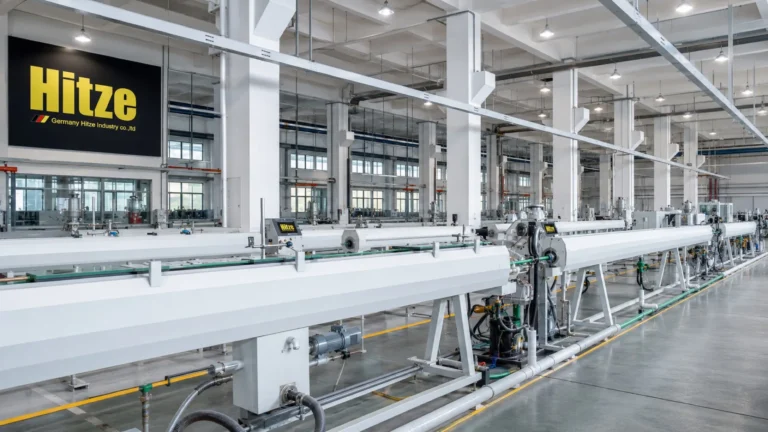
Identify the contracting entity, payment beneficiary and actual production site. Ask who extrudes the pipe, moulds the fittings and owns the lot records and approval evidence. Compare those responsibilities with the licence and TDS. A trader can supply legitimately; require a declared role and written recourse. Use the factory audit checklist to verify the claimed production role.
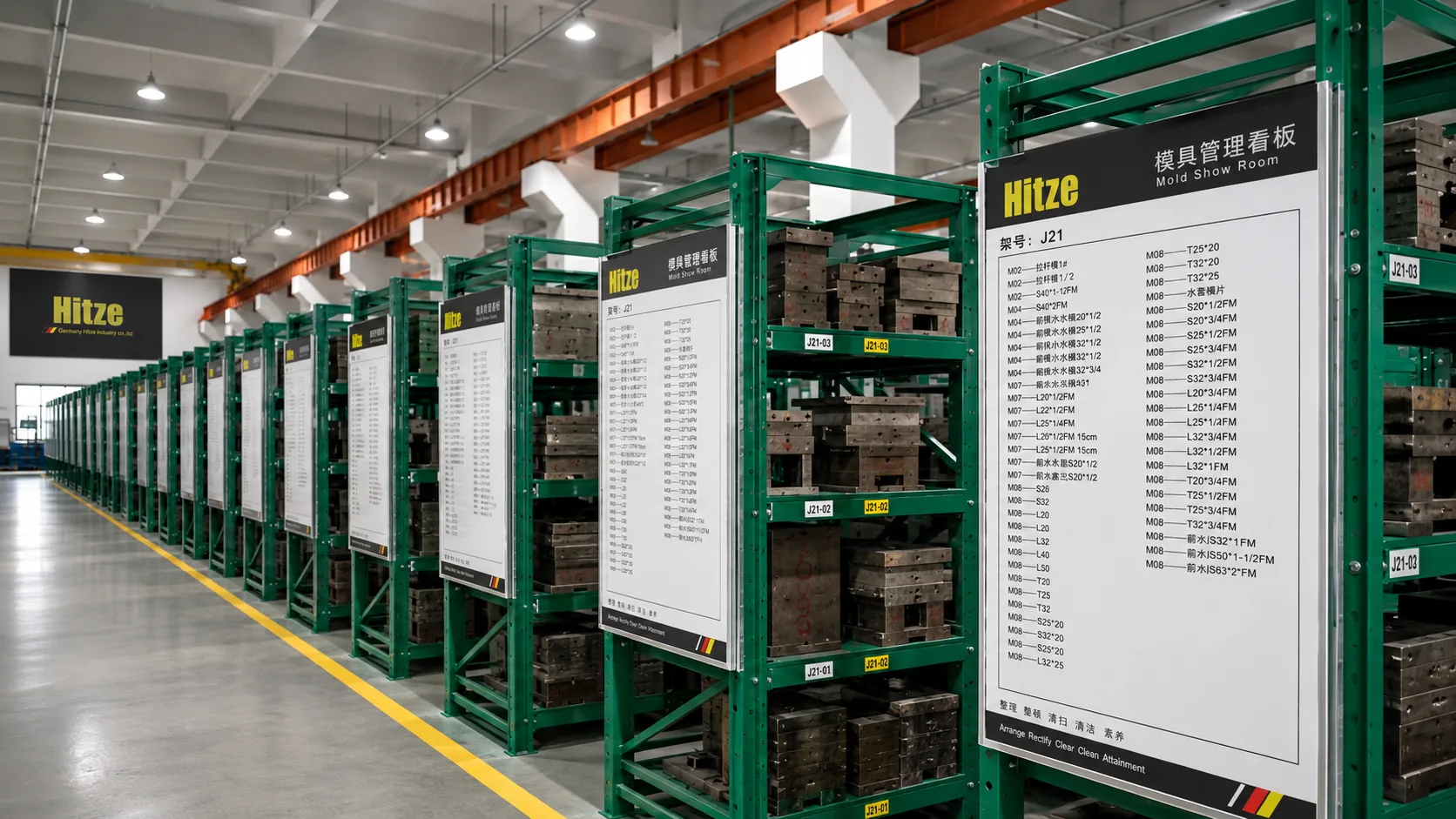
Separate stock from standard production and custom work. Send quantities per size and colour, print requirements, required delivery point and need-by date. Ask for each minimum’s units and mixing rules. A general no-MOQ policy does not establish that a custom colour or print run has no production constraint.
A useful timing reply names duration, clock start, approval dependencies and delivery stage. Production completion, ex-works readiness, freight booking and destination arrival are different events. Require the supplier to identify exclusions and what happens if artwork or first-article approval changes.
Before accepting the quotation
Decision: accept a complete, scope-matched reply for comparison; clarify missing units or timing triggers; hold approval where specifications or certificate scope conflict. A vague answer alone does not prove fraud. Retain the accepted revision with the purchase order.
Read the print line before you read the certificate
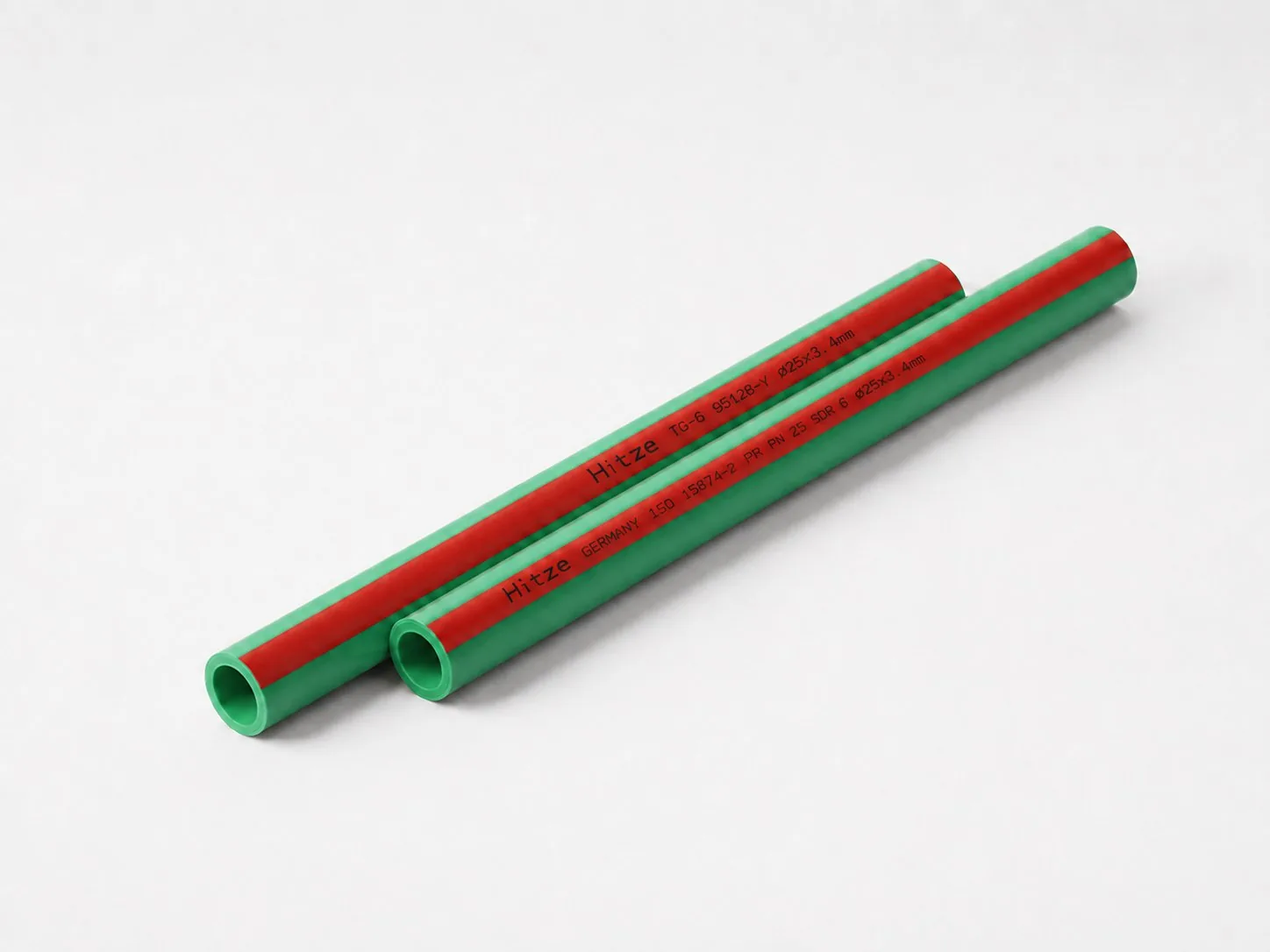
ISO 15874-2:2013 Table 12 lists eight marking aspects, including material, dimensions, class with operating pressure and traceability. Opacity marking applies where opacity is declared; it is not a universal test requirement. Request the actual proposed print proof.
Traceability includes the production period; a manufacturer producing at multiple sites also needs the relevant site identifier. Compare the actual delivered print with the accepted specification and record the batch. A designation on pipe is evidence of what was marked; it cannot replace a current approval covering that product.
| Required field | What it should look like | What its absence tells you |
|---|---|---|
| Standard number | ISO 15874 | No declared basis of conformity |
| Manufacturer name or trade mark | A name or a registered code | Nobody has put their name to the batch |
| OD × nominal wall | e.g. 16 × 2,2 | You cannot check the shipment against the order |
| Pipe dimension class | e.g. A | The dimension table in play is undeclared |
| Material | e.g. PP-R | Grade substitution cannot be detected |
| Application class with operating pressure | e.g. Class 1/10 bar | A bare PN, which is the ambiguity this page opened with |
| Opacity | e.g. opaque, where declared | Declared at the manufacturer’s option |
| Traceability information | Production year and month, plus a site code for multi-site makers | A complaint cannot be tied to a production run |
Ask for the certificate set by scope, issuer and validity
Before production release, retain the approved sample, print proof, measured dimensions and agreed inspection records as one baseline. Resolve any mismatch before accepting the batch. The sample approval checklist supplies the decision record; a catalogue photo cannot substitute for it.
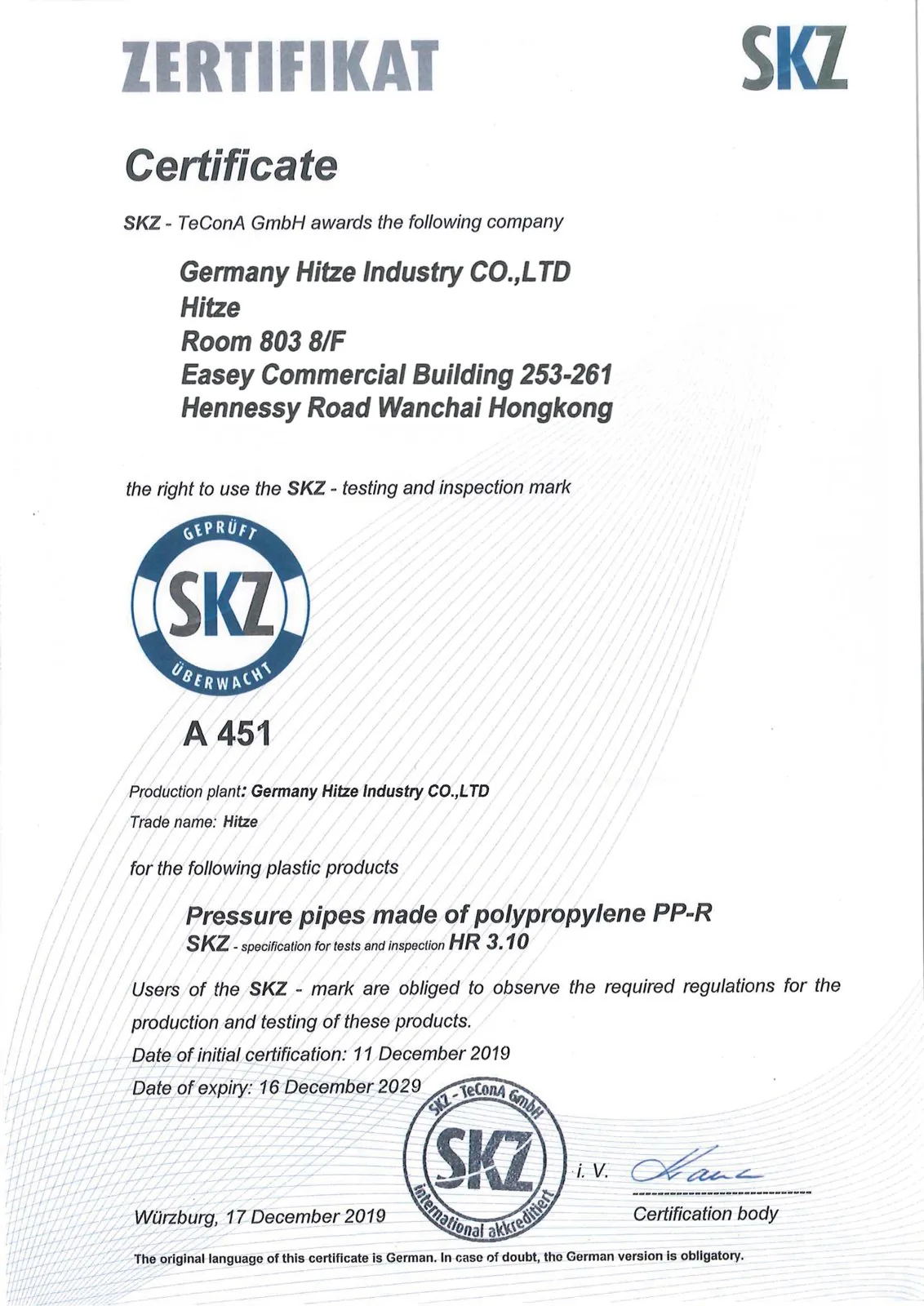
Request the issuer, listing number, covered material construction, size range and validity dates. Search the issuer’s directory and save the dated result. A certificate for solid-wall pipe does not automatically cover composite pipe or its fittings. The document image illustrates a scope line; it is not a current approval check.
WRAS Material Approval concerns the tested material’s effect on water quality. Product Approval is a different scope. Ask which evidence covers your assembled product and intended service.
Before accepting the quotation
Classify each returned file: certification, laboratory report or manufacturer declaration. If scope or validity remains unclear, request clarification before approving the mark or ordering. Do not infer coverage from the number of logos.
For importers and distributors whose destination market needs paperwork before an AHJ or customs conversation: the certifications page sets out which approvals apply to which line, and listing numbers are available on request.
Packaging, marking and the Incoterm: the fields that move landed cost
ICC groups FAS, FOB, CFR and CIF for sea and inland waterway transport only. For container cargo handed over before vessel loading, agree the actual handover point and consider the appropriate multimodal rule with the forwarder. Name the place and edition; allocate loading, clearance, transport and insurance explicitly.
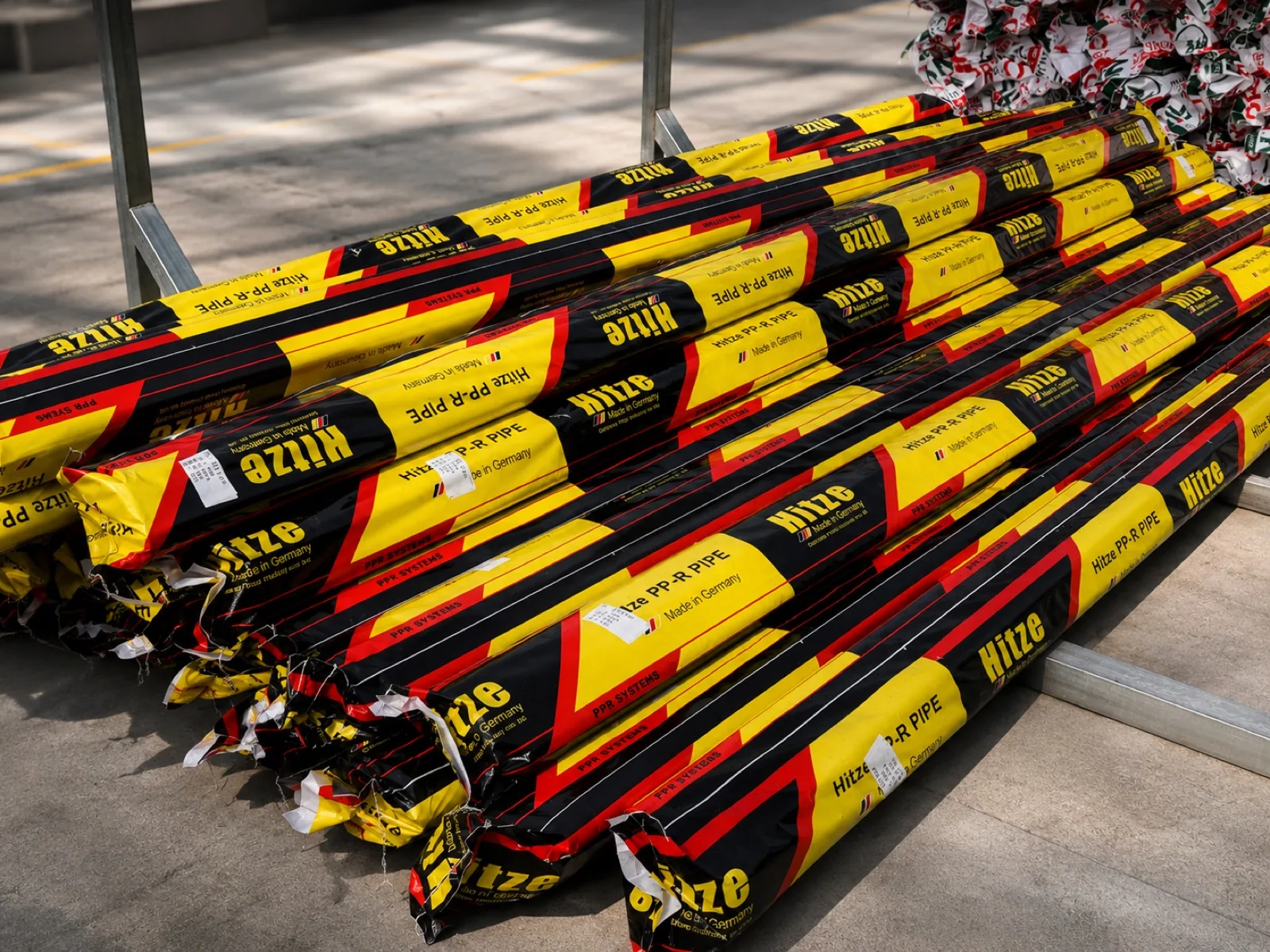
Request pieces or metres per pack, packs per carton, carton dimensions and mass, cartons per pallet, pallet dimensions and batch identification. Confirm whether listed quantities describe a sale unit or a shipping unit. A low piece price can still create a costly warehouse handling arrangement.
For private label, submit artwork and ask for the proof process and approval event. Confirm who supplies files and whether a change resets production timing. Request the final packing schedule against that artwork revision.
Before accepting the quotation
Name the Incoterms 2020 rule and place or port. Its eleven rules allocate delivery obligations; they do not establish ownership, payment or inspection remedies. Confirm those separately.
Worked comparison: normalising two quotes on the same 20 mm line
Illustrative specification comparison, not supplier quotations: quote A offers OD20 mm S5; quote B offers OD20 mm S3.2. Table 5 walls are 1.9 and 2.8 mm respectively. The latter wall is about 47% thicker, so comparing the unit prices without normalising series compares different products. For fusion joining, also apply the 2.0 mm minimum.
Return both offers with the required class, design pressure and series stated. Then align length, quantity units, fitting construction, packaging and delivery point. Request a revised price on that shared basis. Award only after the remaining differences are explicit; neither a low price nor an impressive certificate deck resolves missing fields.
How Hitze answers its own checklist, and where we stop
The published Hitze range provides the baseline below. Size coverage is a catalogue statement; current stocked series, customisation limits, packing and timing require a quotation. Confirm the applicable 50-year commercial warranty conditions rather than treating it as a calculation of service life.
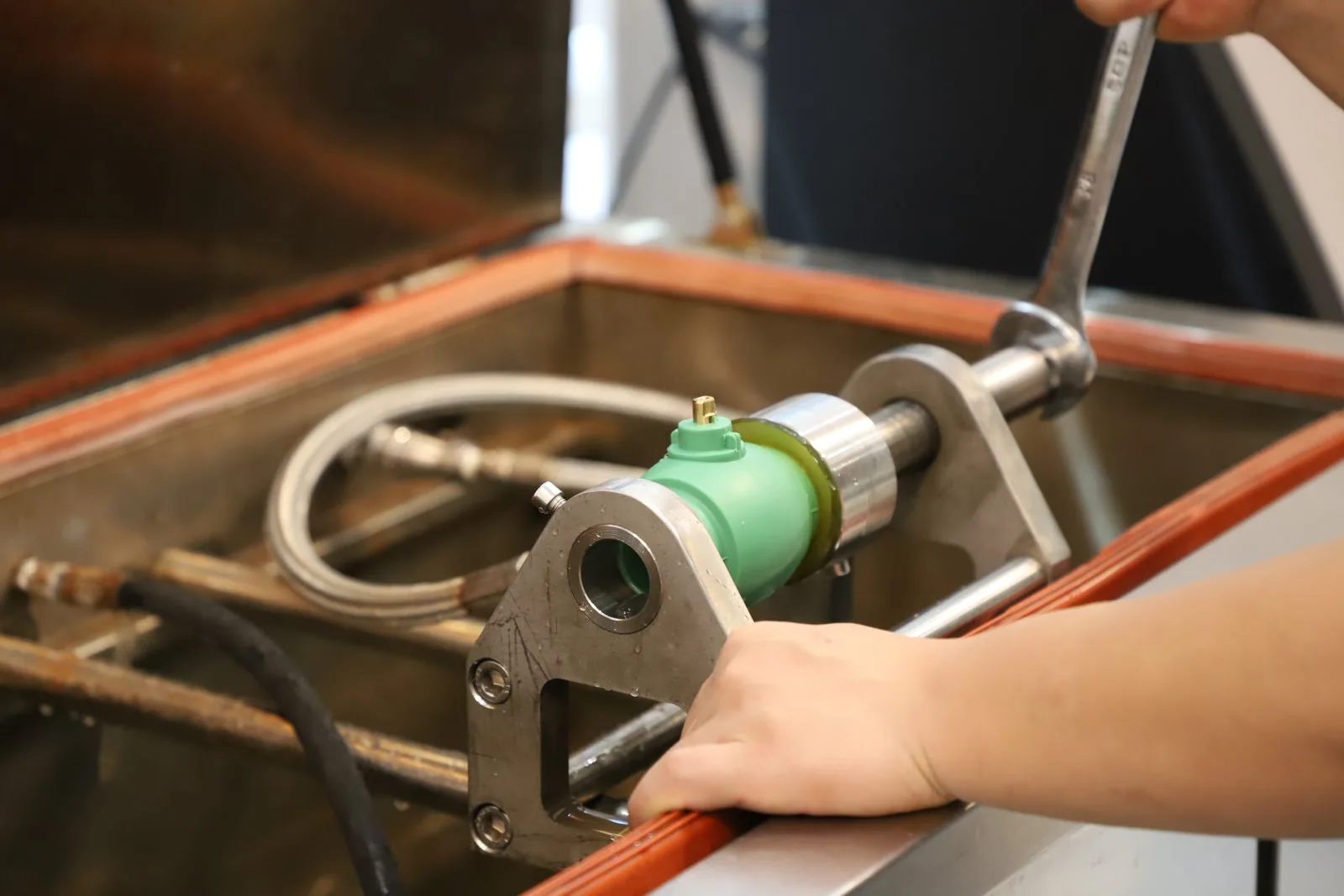
The documented production checks cover resin, dimensions and hydrostatic testing. Batch acceptance records, reject rates and report references are not published here. Request the records relevant to the selected construction and inspection clause. Published credential names are starting points for issuer and scope verification, not approval of every item.
| Checklist item | Hitze’s answer |
|---|---|
| Size range | PP-R OD20–110 mm; PPR-CU OD20–63 mm. Confirm stocked series per enquiry. |
| MOQ | No MOQ on general ordering; samples supported. Customisation-specific production constraints are confirmed in the quote. |
| Lead time | Not published. Confirm duration, start event, dependencies and booking exclusions in writing. |
| Packaging | Not published. Request carton and pallet quantities on the offer sheet. |
| Certificate set | Published credential claims require current scope and issuer checks for the selected product. |
| Certificate numbers and validity | Request listing numbers and validity, then verify the exact product in the issuer’s directory. |
| Private label | ODM and private-label supported. Print and artwork minimums are confirmed per project. |
| Warranty | 50-year commercial warranty; request conditions. This does not establish a standard’s design-life calculation. |
For importers and regional distributors issuing a first PP-R request: send the size mix with the series and class fixed as set out above, and get back a quote on the same basis you can put beside anyone else’s.
Conclusion: the risk you carry is the field you left blank
Fix the specification first; compare the returned quotation second. Require quantity units, production minimum basis, timing start event, packing and delivery point. Check scope and traceability before authorising marks or accepting goods. Resolve each exception in the returned schedule before paying the agreed deposit.
Keep the accepted size schedule, artwork, evidence and commercial conditions together as the reorder baseline. Review changes explicitly. A new size, wall construction, print string or approval expiry can change the original decision even when the product name remains the same.
Frequently asked questions
What is the single most important field to add to a PPR RFQ?
Give the pipe series or SDR, application class and design pressure alongside OD. Confirm construction, fittings and packing units.
Is PN the same as the pipe series?
No. PN is not the series or SDR. Select the series against application class and design pressure, not the label alone.
Can PPR pipe be thinner than the table minimum?
No. Apply the agreed minimum wall and plus-only tolerance. Fusion-jointed pipe also needs at least 2.0 mm wall.
What should be printed on compliant PPR pipe?
ISO 15874-2:2013 Table 12 lists eight aspects, including material, dimensions, class with pressure and traceability; opacity applies where declared.
Does a WRAS logo mean the fitting is approved?
No. A material approval concerns water-contact suitability. Verify the exact product and scope in the WRAS directory.
What is Hitze’s MOQ and lead time?
General ordering has no MOQ. Confirm custom print, colour and tooling limits, plus timing start event and exclusions, per quote.