The best PPR pipe welding machine is the one that controls your actual diameter range and job conditions. A compact handheld socket tool suits mobile, small-diameter installation when the operator can keep both parts square. A bench machine adds repeatable alignment and leverage as diameter and workload rise. A guided jig or self-centering machine is the safer production choice for large sockets, frequent joints or prefabrication. Power rating alone does not decide joint quality.
By the Hitze Technical Content Team · Technical review: 21 July 2026
Compare machines by six factors: approved material and diameter range, alignment method, heater and temperature control, available die sets, site voltage and service support. Then pair the machine with the pipe-system fusion chart. ASTM D2657 explicitly treats fusion procedures as general and asks manufacturers for product-specific recommendations; a machine that reaches a temperature is not automatically approved for every PP-R product.
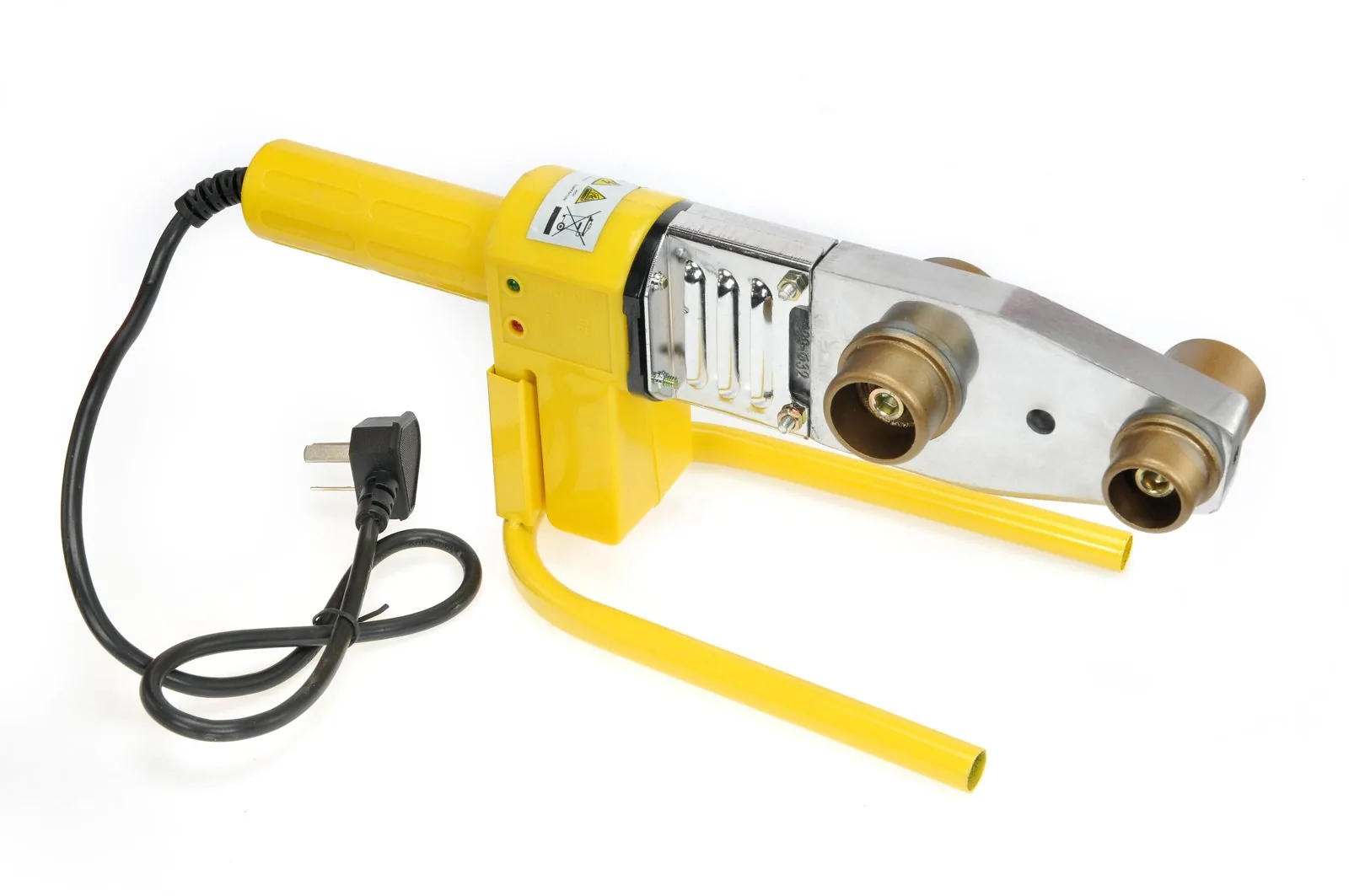
- Handheld tools maximize mobility; guided machines maximize repeatability.
- Published diameter range must include the pipe and fitting system you actually install.
- Higher wattage mainly supports heater mass and recovery; it does not guarantee a stronger joint.
- Verify real die temperature and use the product-specific time/depth/cooling chart.
- Check voltage, plugs, extension-cord loading and generator quality before purchase.
- Buy dies, stands, clamps, spares and service access—not just a heater plate.
Official current products illustrate the range. Rothenberger lists an 800 W handheld P63 for socket welding PP/PE through 63 mm. Ritmo lists a 1400 W PRISMA JIG with 63–125 mm standard capability and optional smaller clamps. Asahi/America positions its self-centering Spider 125 for 63–125 mm polypropylene work by one operator. These are comparison benchmarks, not Hitze machine specifications.
PPR welding machine types compared
| Format | Best fit | Main advantage | Main limitation |
|---|---|---|---|
| Handheld sword/plate | Small-diameter mobile installation | Light, fast setup, reaches confined areas | Alignment and force rely heavily on operator |
| Bench machine | Workshop prefabrication and repeated mid-size joints | Stable workholding and repeatability | Less mobile; needs setup space |
| Guided/self-centering jig | Larger sockets and production work | Controls alignment and mechanical force | Higher cost, weight and tooling complexity |
The boundaries overlap. A high-quality handheld tool may be rated to 63 mm, while an installer may deliberately move to a bench fixture earlier for consistency. Asahi/America’s own guidance recommends its manual tool for 20–32 mm and points to bench or guided equipment for larger sizes where force increases. Treat manufacturer maximum diameter as capability, not necessarily the most productive operating point.
Handheld socket tools: best for mobile small-diameter work
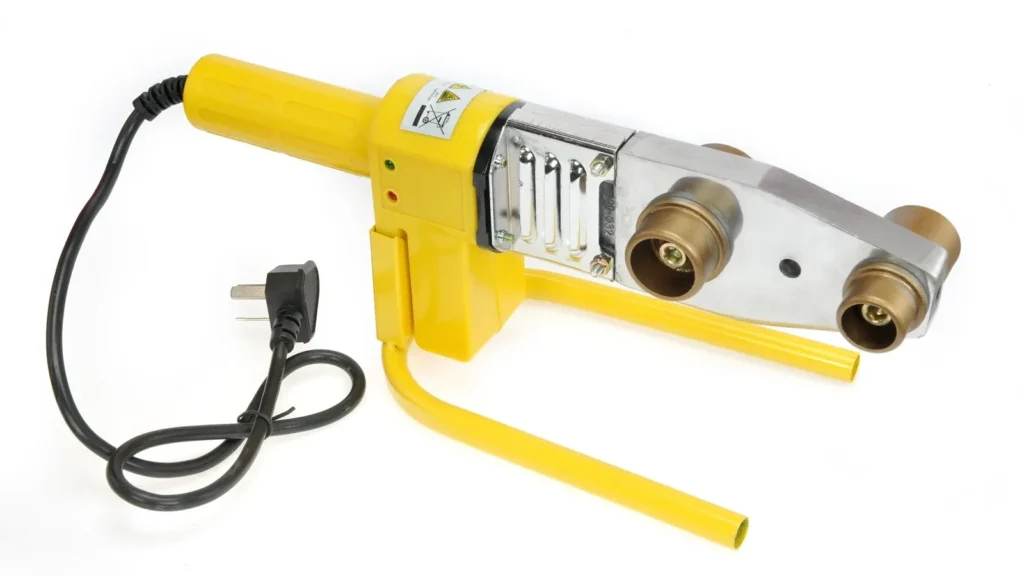
A handheld machine carries paired socket dies on a sword- or plate-shaped heater. The operator presents the pipe and fitting simultaneously, holds them square during heating, withdraws them and completes the joint by hand. This format is practical for risers, branches, bathrooms and service work because setup is quick and the machine fits in a compact case.
Look for a stable stand, clear temperature indication, robust cable strain relief and dies that attach without rocking. Electronic control can improve stability, but the indicator is not a substitute for whatever verification method the approved procedure requires. Rothenberger’s current P63 benchmark covers 20–63 mm, uses 800 W and lists electronic control. That combination shows why a professional handheld tool can span multiple small and mid-size sockets without making wattage the quality metric.
Bench machines: repeatability for prefabrication
A bench machine separates workholding from the heater. Clamps or guides keep pipe and fitting coaxial while the operator applies a controlled motion. This reduces dependence on wrist strength and makes repeated elbows, tees and manifold sections more consistent. It also improves traceability: a supervisor can standardize clamp setup, stops and operator sequence at one station.
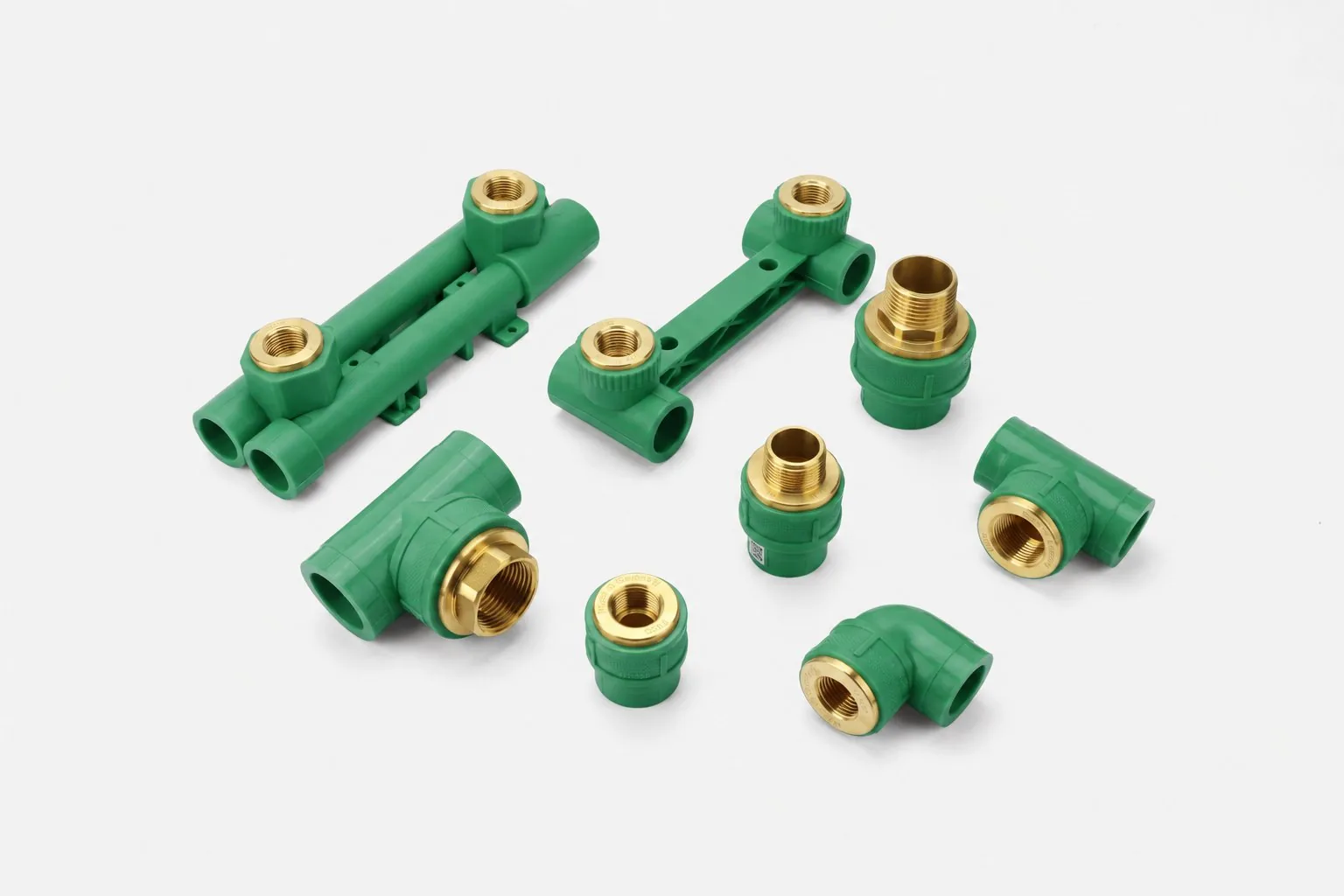
The trade-off is mobility. A bench system needs a flat work area, clamps for the intended sizes and enough clearance to withdraw the heater without delaying changeover. For mixed site and workshop work, compare total kit weight and changeover time, not only the machine body.
Guided jigs: alignment and force for larger sockets
Large-diameter socket fusion demands more insertion and withdrawal force. A self-centering or mechanically guided machine keeps the axes aligned and helps one operator control that force. Asahi/America describes the Spider 125 as a one-operator machine for 63–125 mm polypropylene pipe. Ritmo’s PRISMA JIG lists 63–125 mm as standard and 20–63 mm with optional clamps.
Guidance does not remove process discipline. The operator still needs clean components, correct preparation, approved heating and changeover times, and protected cooling. Check clamp compatibility with the actual pipe construction and fittings: an advertised diameter range may not mean every elbow, union or brass-insert fitting can be held in every orientation.
| Official benchmark | Published range | Power / supply | Use in this guide |
|---|---|---|---|
| Rothenberger ROWELD P63 | 20–63 mm | 800 W; 220–240 V | Professional handheld reference |
| Ritmo PRISMA JIG | 63–125 mm standard; 20–63 optional | 1400 W; 110/230 V | Guided large-socket reference |
| Asahi Spider 125 | 63–125 mm PP | Verify region-specific configuration | Self-centering, one-operator reference |
Specifications above are manufacturer-published examples checked 2026-07-21. They are not specifications for the Hitze fusion machine.
Specifications that matter more than a low purchase price
| Specification | Question to ask | Evidence to request |
|---|---|---|
| Material and diameter | Is PP-R explicitly covered through my largest size? | Current technical sheet |
| Temperature control | How is die temperature indicated, stabilized and verified? | Manual, control tolerance and verification method |
| Dies and coating | Are all required sizes included and replaceable? | Die list, coating and spare-part numbers |
| Power supply | Will it run on site voltage and generator quality? | Nameplate, plug and frequency options |
| Workholding | Can it hold actual fittings and composite pipe without damage? | Clamp matrix and demonstration |
| Service | Who supplies heaters, controllers, cables and dies? | Parts list, warranty and service location |
Do not compare 800 W and 1400 W as if the larger number creates a stronger weld. Larger heater plates and dies need more energy and recovery capacity. Joint quality still depends on actual surface temperature, time, preparation, alignment and cooling. Similarly, a wide thermostat dial is not proof of accuracy; ask how the machine is checked at the die surface.
Temperature recovery deserves a practical test. A heater may reach its setpoint when idle yet drift after consecutive large joints, especially on a long extension lead or unstable generator. Ask the supplier how the controller responds to repeated cycles and whether the manual defines a stabilization indication. For production work, record the approved verification frequency and instrument. The result should be a controlled process, not a technician occasionally touching a temperature gun to an unknown spot.
Ergonomics also affects consistency. Handle geometry, stand balance, cable direction and access around the dies determine whether an installer can present pipe and fitting squarely. For a guided machine, inspect clamp travel, working height, heater withdrawal path and how quickly inserts change between sizes. A heavy system may be excellent in a prefab shop and impractical on an upper floor; split cases or a wheeled frame can matter more than a small difference in heater power.
Which PPR welding machine should you choose?
Choose a handheld tool if most work is small-diameter, mobile and accessible, and trained operators can control alignment. Choose a bench machine for repeated fabrication, mixed fittings and a workshop where consistent workholding pays back setup time. Choose a guided jig for larger sockets, high joint counts or situations where insertion force and concentric alignment exceed comfortable manual control.
| Your workload | Starting choice | Critical confirmation |
|---|---|---|
| Apartment branches and service calls | Handheld kit | Reach, stand stability and complete die set |
| Manifolds and repeated prefab | Bench machine | Fixture access for elbows, tees and unions |
| Large risers and plant rooms | Guided/self-centering jig | Full diameter and clamp matrix |
| Distributor starter inventory | Tool matched to local fast-moving sizes | Voltage, spares, training and system chart |
A procurement checklist before you approve the kit
Write the purchase specification around the job, not the product-page headline. List PP-R as the material, minimum and maximum outside diameters, pipe constructions, fitting types, daily joint volume, field or workshop use, ambient range, site voltage/frequency and required plug. State whether a stand, clamps, inserts, transport case, temperature-verification device and spare dies are included.
Ask for the manual before purchase. Check the setup sequence, stabilization indication, maintenance, storage and controller fault behavior. Record each machine by serial number and keep damaged dies out of circulation. For export procurement, confirm local voltage and service parts in writing; an inexpensive tool that cannot be repaired is costly during commissioning.
Run a witnessed acceptance check when the machine arrives. Confirm nameplate voltage and frequency, inspect the cable and earth arrangement, inventory every die and clamp, operate the controller through warm-up, and verify that the stand or frame remains stable under normal forces. The commissioning record should identify the machine, die set and verification instrument. Train operators on both production and stop-work conditions: a fault lamp, loose die, contaminated coating, unstable power or inability to maintain alignment should halt fusion.
Total cost of ownership includes replacement dies, controller repair, transport protection, periodic verification and downtime. For distributors, a narrow but complete kit for common local sizes can create more value than a nominally broad kit missing key dies or regional plugs. For contractors, one guided machine may reduce rework on large joints, while several handheld kits may better serve parallel apartment crews. Compare the whole deployment model over the expected workload.
Finally, separate mandatory evidence from optional accessories in the bid comparison. A compliant technical sheet, manual, size matrix and electrical data should be available before award. Extra cases, spare heaters and additional dies can then be priced as options. This makes supplier comparisons auditable and prevents an attractive bundle from hiding a gap in the core operating range.
The machine must fit the pipe system—not just the diameter
The machine supplies heat and alignment; the piping system defines the approved joint. Confirm that the dies, insertion geometry and fusion chart apply to the selected pipe and fitting construction. Hitze’s PP-R system spans OD20–110 and includes a broad fitting family, a fusion machine and pressure-test equipment. Current catalog documentation states DIN 8077/8078 and EN ISO 15874 as design standards.
Before issuing an installation package, obtain the current Hitze machine data sheet and size-specific welding chart. The present source set does not state its model, wattage, voltage, die bundle or control tolerance, so this article intentionally does not infer them. Verify certificate scope on the compliance page and build the acceptance plan through quality control.
Conclusion
Select a PPR pipe welding machine from the actual diameter range, joint volume, work location, site power and workholding need—not wattage alone. A handheld tool suits mobile small-diameter work, a bench machine improves repeatability in prefabrication, and a guided jig controls force and alignment on larger sockets. Before purchase, verify the current machine data sheet, matched dies, approved fusion chart and local service arrangement in writing.
Frequently asked questions
What wattage is best for a PPR welding machine?
Match wattage to heater size, die mass and recovery needs. Higher wattage is not proof of better joints; verified die temperature, alignment and the approved fusion cycle matter more.
Can one PPR welding machine handle every pipe size?
Usually not efficiently. Verify the published diameter range, available dies and clamps, and whether larger sizes require a bench or guided machine for force and alignment.
Is a digital PPR welding machine better?
A digital display can improve readability and diagnostics, but it does not prove die-surface accuracy. Compare control tolerance, verification method, fault behavior and serviceability.
Can I use generic PPR welding times?
No. Use the current chart approved for the pipe system, fitting, diameter and tool. Generic tables can hide differences in wall construction, insertion depth and ambient corrections.
Should a distributor stock handheld or bench machines?
Start from local fast-moving diameters and installer workflows. Handheld kits suit common small sizes; bench or guided machines support larger and repeat-production work. Confirm voltage and spare-part support.
Written by the Hitze technical content team using current Hitze catalog information and cited official machine-manufacturer sources. Benchmark specifications were checked on 2026-07-21 and should be reconfirmed before procurement.