Polypropylene pipe on a US specification needs a declared service before it needs a resin label. A pressure water line and a non-pressure corrosive-waste drain can both contain polypropylene, yet their specification scopes, dimensions and evidence differ. Use PP-R and PP-RCT to describe material types; use the governing system document and model records to establish suitability. One cannot substitute for the other.
- Separate service, material, dimensions and joining in the submittal.
- The public ASTM abstracts explain scope; they do not certify a supplier.
- The fetched F2389-24a page marks that edition Historical. Agree the project edition explicitly.
Start with the service, not the word polypropylene
A purchase description that says only “polypropylene pipe” leaves the supplier to decide what you meant. That is the first failure point. A water-distribution package needs pressure-system evidence; a laboratory drain needs evidence for its waste duty. A quotation that matches the polymer name can still answer the wrong specification.
Start the enquiry with the fluid and duty, then identify the material and system. Keep those fields separate even when the drawing uses one shorthand label. The public ASTM F1412 scope describes non-pressure polyolefin pipe and fittings for corrosive waste drainage, including polypropylene and polyethylene. The fetched F2389-24a scope describes pressure-rated polypropylene system components. Neither scope makes every polypropylene product suitable for that duty.
Find the mismatch before comparing offers
Consider a hypothetical building package with water risers and a separate chemical-waste branch. The buyer circulates one material schedule to both suppliers. One offer refers to a pressure-water system; the other names a drainage system. The useful comparison is not which offer contains more polypropylene. It is which offer answers each service line and supplies the corresponding evidence. Split the schedule before awarding either package.
This matrix is a procurement framework, not a product approval list. A blank cell in a supplier response is a question to resolve. It should not become an assumption carried into the purchase order.
| Specification field | Pressure water system | Corrosive waste drainage |
|---|---|---|
| Service | Declare water duty and operating conditions | Declare non-pressure drainage and actual effluent |
| Material evidence | PP-R or PP-RCT definition plus exact model record | Exact compound and chemical-compatibility record |
| Document scope | F2389 pressure-system family; agree governing edition | F1412 non-pressure polyolefin scope; agree governing edition |
| Dimensions and joints | Name metric or IPS system; submit matching components | Name Schedule/DR IPS system; confirm manufacturer joining instructions |
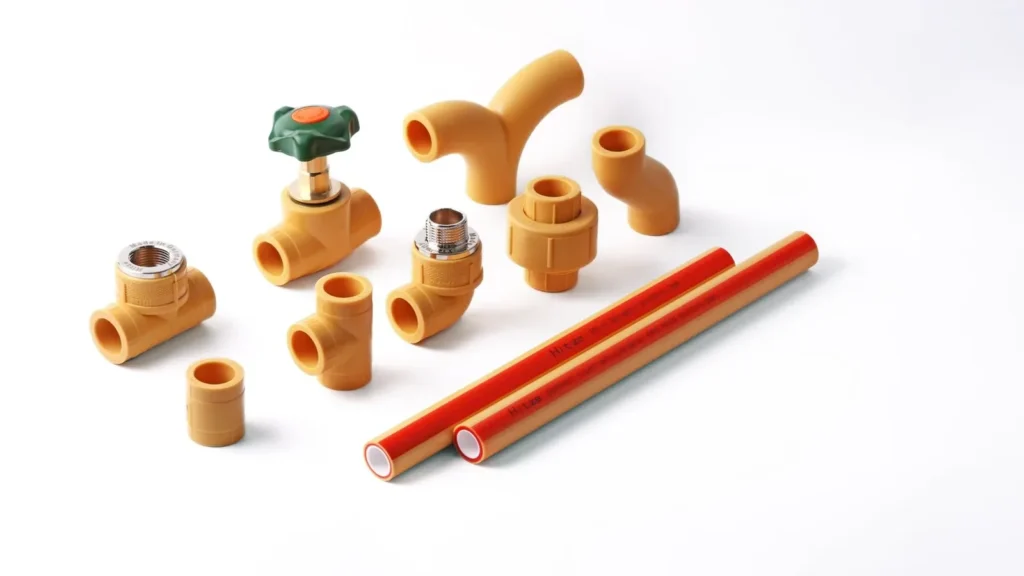
For procurement teams using this matrix for a pressure-water package, review the PP-R product starting point. The catalogue identifies a range; model-specific acceptance against the US project specification remains to be checked.
Separate PP-R and PP-RCT definitions from service approval
The Plastics Pipe Institute’s MS-8 model specification, revised April 2025, defines PP-R as polypropylene random copolymer and PP-RCT as polypropylene random copolymer with modified crystallinity and temperature resistance. It addresses these material types in pressure-pipe systems for plumbing and mechanical applications. These definitions tell you what the material designation means. They do not supply a pressure-temperature rating for an unnamed pipe.
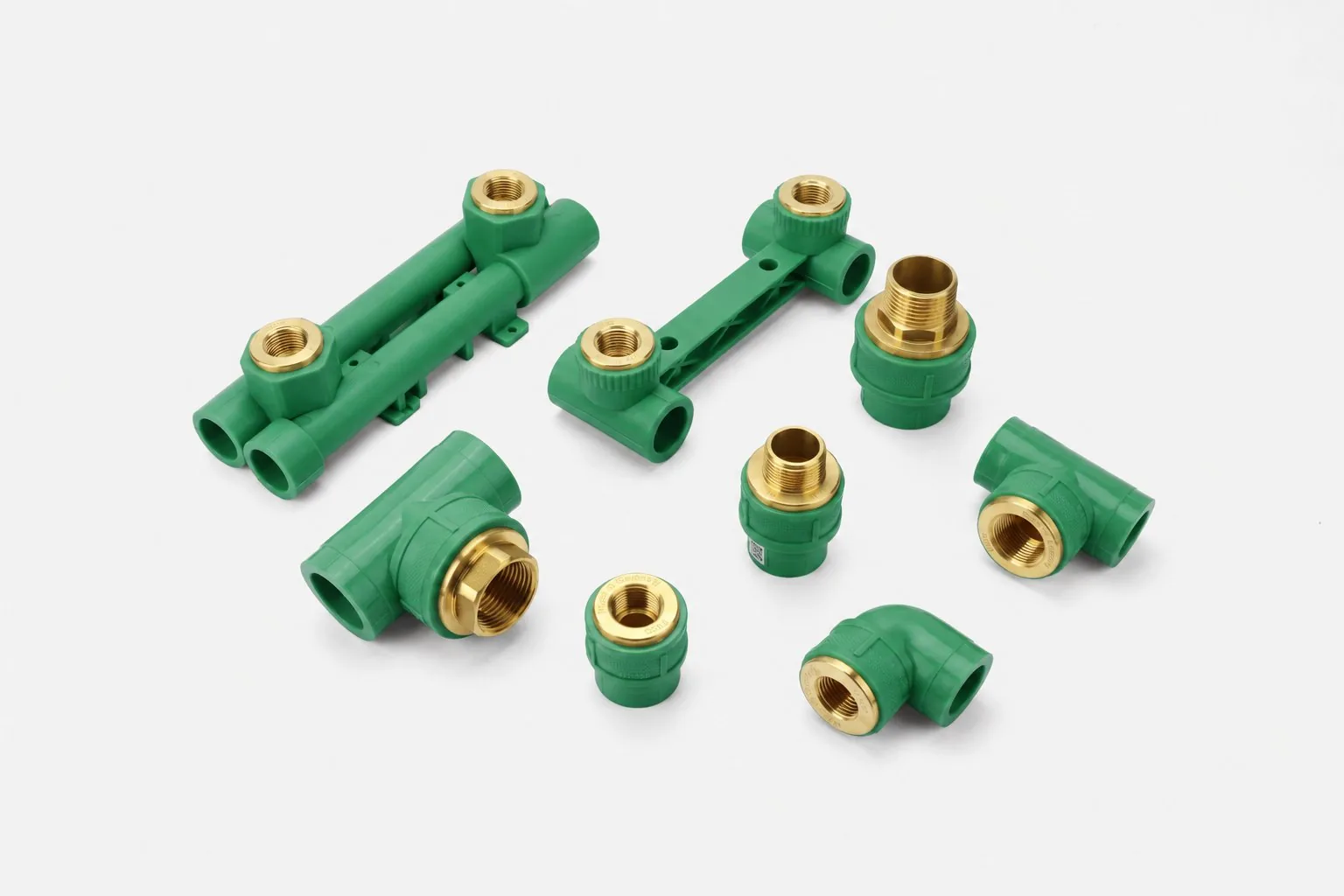
Keep a resin description in the material field and the product evidence in the acceptance field. A data sheet bearing PP-RCT still needs the exact pipe construction, dimensions and operating-duty record. Choosing between labels without those records asks the material name to do the work of a system specification. It cannot.
Resin family and service are different questions
The same discipline applies if a quotation uses PP-H or a description such as acid-waste polypropylene. Do not turn those labels into separate, mutually exclusive product categories. Ask the supplier to identify the compound, the intended service and the governing product document. This article establishes no automatic PP-H-to-waste mapping and no compatibility claim for a particular chemical.
For a water-system enquiry, the Hitze PP-R pipe and fittings range gives you a product starting point. Its catalogue identity is not evidence of ASTM F2389 conformance. Keep that distinction visible in the submittal: the proposed model must answer the US project’s document requirements rather than inherit acceptance from a general brand or material description.
Keep pressure and acid-waste specifications separate
F2389 and F1412 answer different system questions. The fetched F2389-24a public abstract and scope include metric sizes and IPS Schedule 80 sizes for pressure-rated polypropylene components. IPS means iron pipe size, a dimensional system. F1412’s public scope describes non-pressure waste pipe in Schedule 40 and 80 IPS sizes and DR IPS sizes. DR is dimension ratio. Shared use of IPS does not make the systems interchangeable.

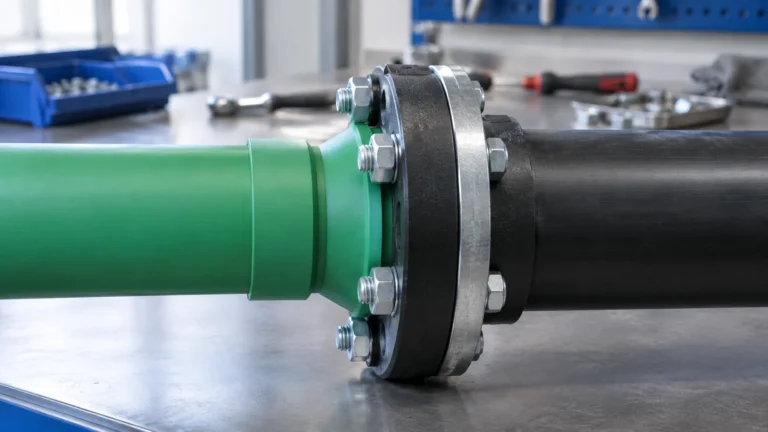
Specify the dimensional system as well as the nominal size. A metric dimension and an inch-based designation are not a matching schedule merely because a seller calls them equivalent. Require a pipe-and-fitting dimension sheet and an identified transition where the design changes systems. This avoids accepting the pipe first and discovering at installation that the quoted fittings answer a different dimensional convention.
A joint test is not a pressure-service rating
F1412’s abstract mentions hydrostatic testing of heat-fused and mechanical joints while its scope remains non-pressure drainage. Do not read the existence of that test as permission to operate the drain as a pressure-water line. A test belongs to the requirements of its own document. Carrying it across duties would erase the scope boundary the specification set out.
F1412 also states that it does not address interchangeability between manufacturers’ pipe and fittings. Treat a mixed-brand proposal as a specific compatibility review, not a shortcut justified by common polypropylene content. Obtain the manufacturer’s joining instructions and transition details for the actual arrangement. The public pages cited here are abstracts and scope excerpts, not the full standards; detailed acceptance requires the governing document and product evidence.
Write the RFQ so the supplier can reject the wrong family
Use a request for quotation, or RFQ, that exposes mismatches rather than hiding them under “equivalent.” Name the service, the proposed material type, the required dimensional system and the governing document with its agreed edition. Add the operating conditions from the design and identify who will review a substitution. The supplier can then confirm a fit or decline the duty before the buyer compares price.
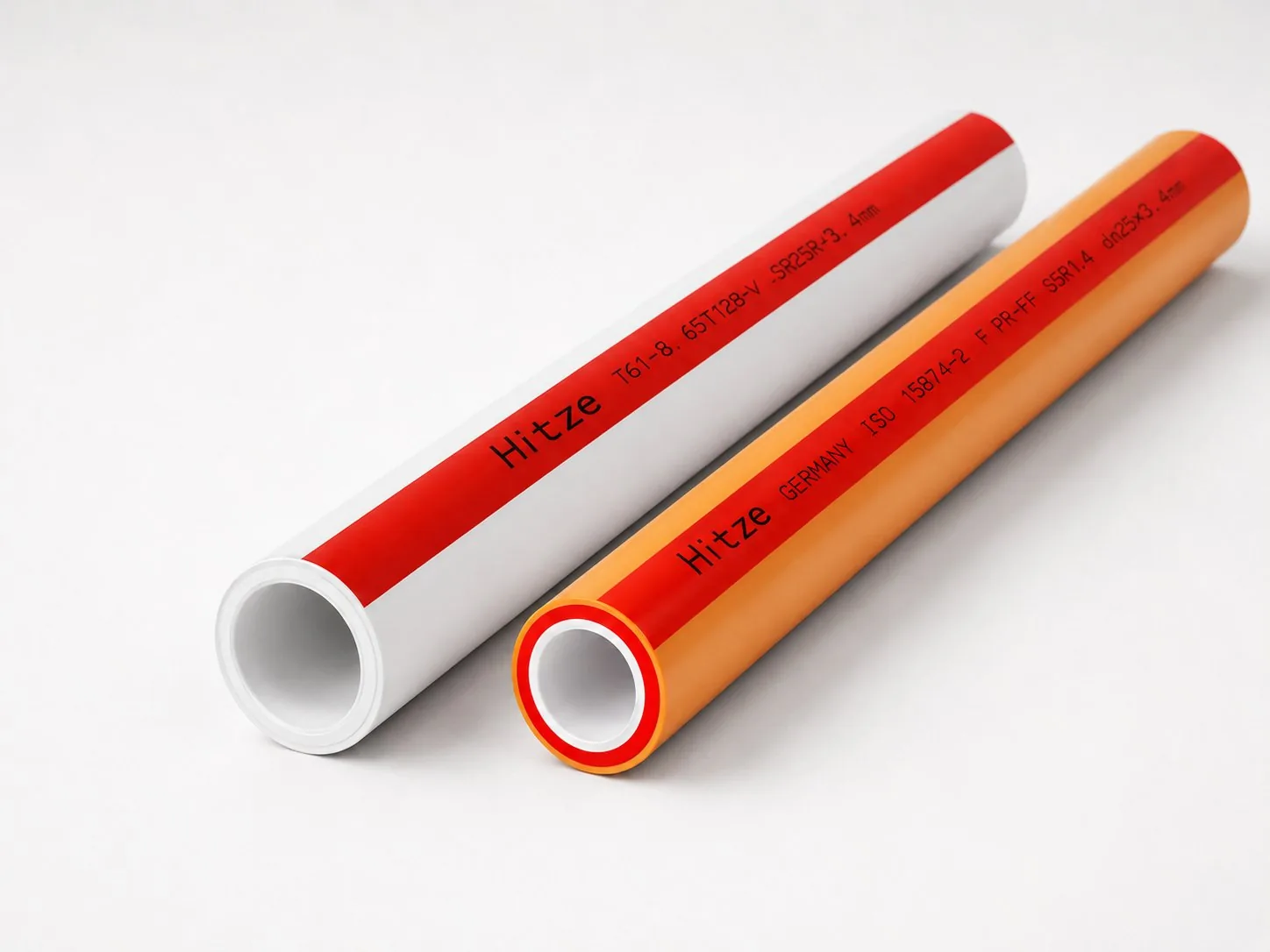
Require the response to identify the exact pipe, fittings, valves and transitions included. Ask for the model-specific dimension schedule, duty evidence and joining procedure. If drinking-water acceptance is part of the project, request the applicable listing reference and its covered models. A certificate for another range does not answer that request. A commercial warranty does not replace it either.
Use an acceptance checklist before release
Check whether the returned evidence names the same service as the drawing. Check whether the dimensions and joint method match the proposed components. Check whether the document edition matches the project requirement. Finally, check whether any supplier exception needs the designer’s written acceptance. If one answer is missing, hold that technical line open instead of resolving it by catalogue similarity.
The edition check matters here: ASTM’s fetched F2389-24a page labels it Historical. This guide uses that page to explain the pressure-system scope, not to nominate the current edition for a contract. Have the project reviewer confirm the applicable edition before the enquiry becomes an order.
Carry unresolved model approval and joining questions into the technical review. The decision is ready when the proposed system answers the duty, not when the wording on the quote looks familiar.
Frequently asked questions
Does polypropylene pipe mean PP-R?
No. Polypropylene is the broader material description. PPI MS-8 defines PP-R and PP-RCT as named material types for its pressure-system model specification. Identify the proposed type and exact system separately.
Can ASTM F1412 pipe replace a pressure-water system?
The cited F1412 scope addresses non-pressure corrosive-waste drainage. Do not use that scope as pressure-water acceptance; require evidence against the project’s pressure-system specification.
Is ASTM F2389-24a the current edition?
The fetched ASTM page labels F2389-24a Historical. Confirm the applicable edition with the project reviewer and ASTM before placing it in a contract.
Does a PP-R catalogue prove US project acceptance?
No. Catalogue identity identifies a product range. Acceptance needs the required model-specific evidence, governing documents and applicable project review.