German Engineering · Trust Anchor
A German Brand Since 1974. Engineered in Germany. Registered to Prove It.
Hitze is a German brand of plumbing and heating piping systems — designed by our own German engineering team, built to German DIN standards, SKZ-tested and DVGW-certified.
Plenty of suppliers say “German quality.” Very few can show you a German trademark registration, an SKZ certificate from a German testing institute, and the engineering team behind the drawings. We can — this page exists so you never have to take our word for it, because everything here is verifiable.
Trade & wholesale only — Hitze supplies wholesalers, contractors and private-label brands, not single retail lengths.
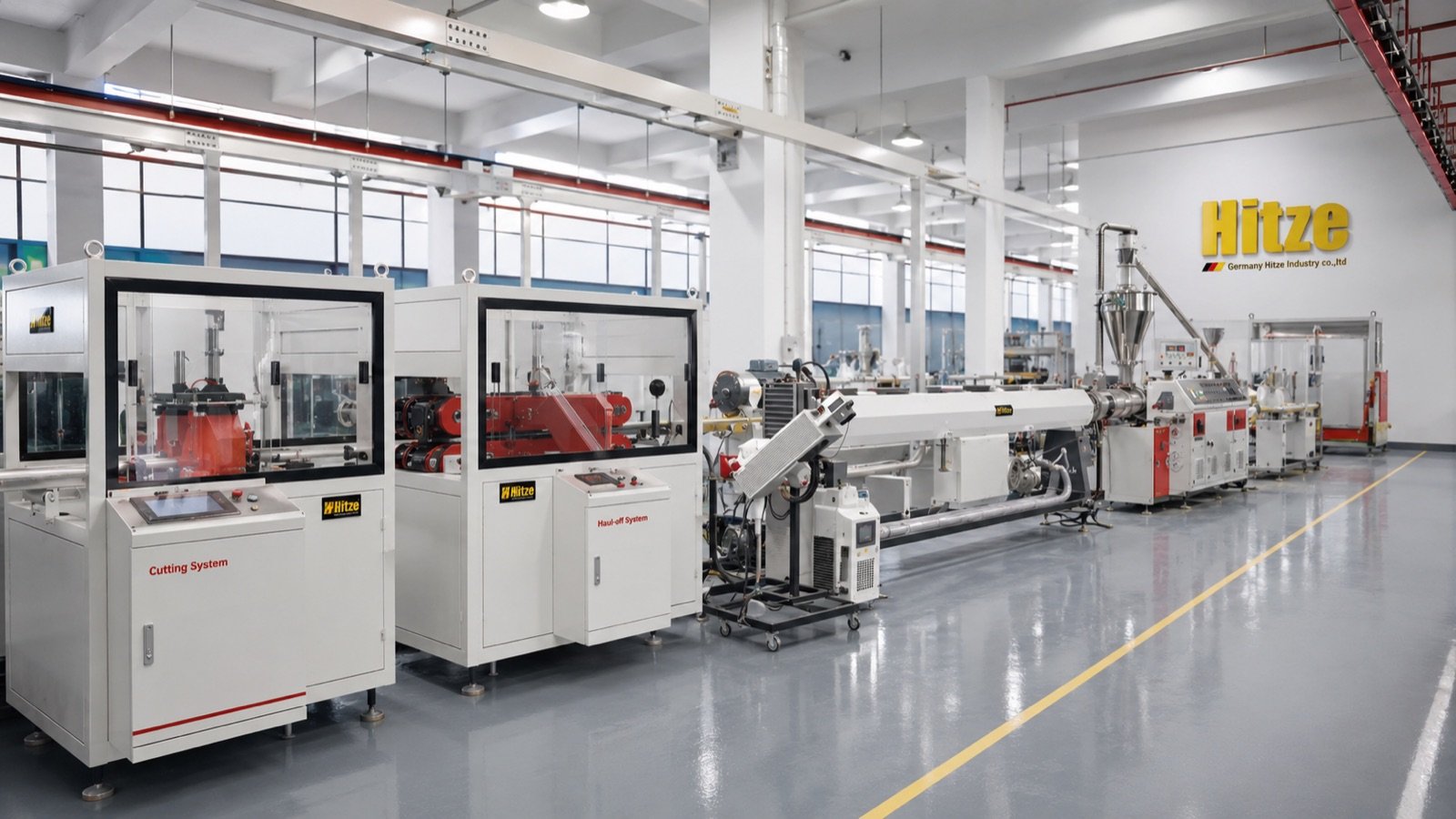 Engineered in Germany · SKZ · DVGW
Behind the Engineering
Inside Our German Engineering
The German engineering on this page isn’t a slogan — it’s design decisions turned into a real production system, verified against real standards. Here’s where it happens. (Studio product and DPMA/SKZ certificate photography is being finalized; captioned frames show what’s being added.)
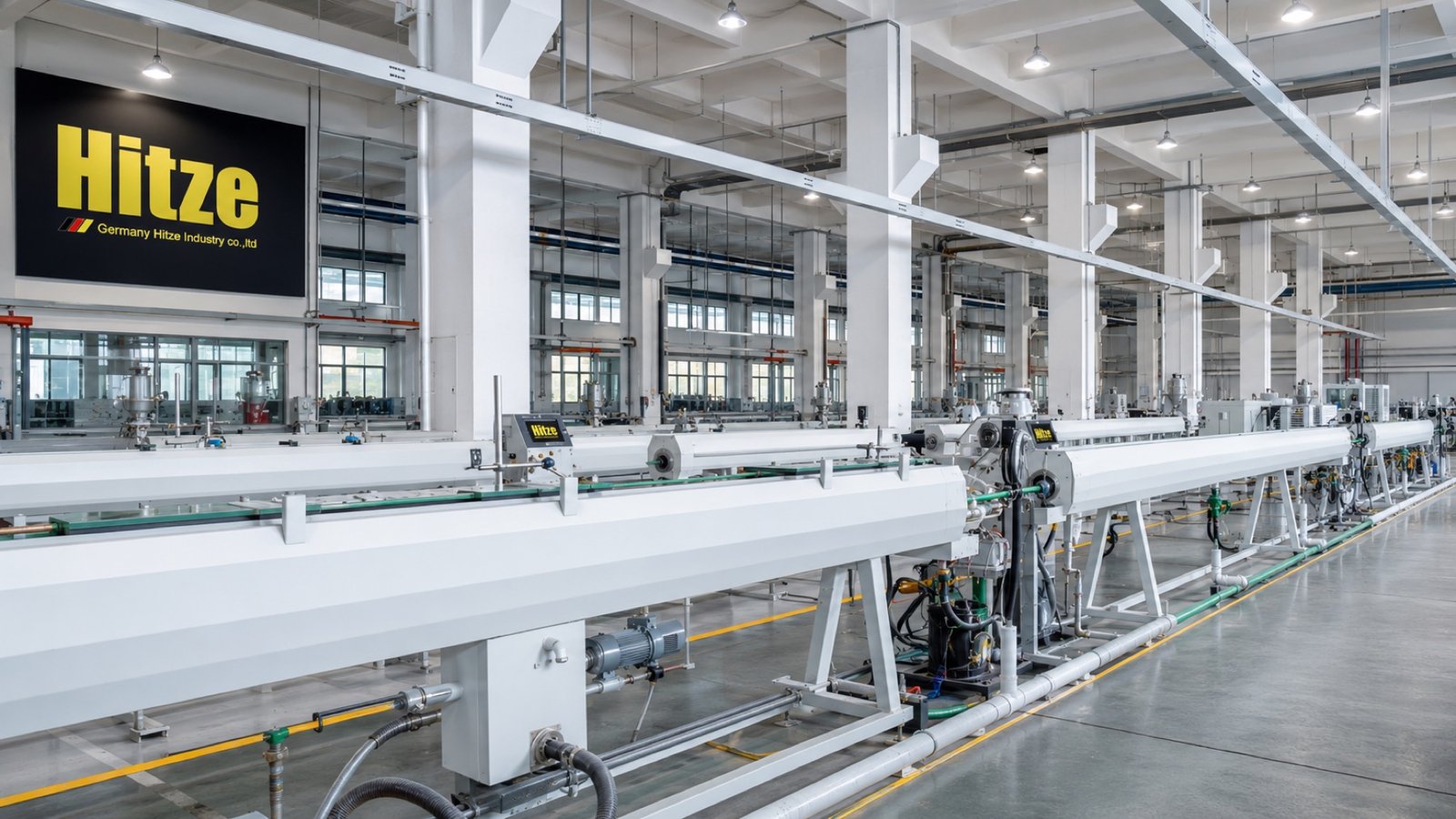
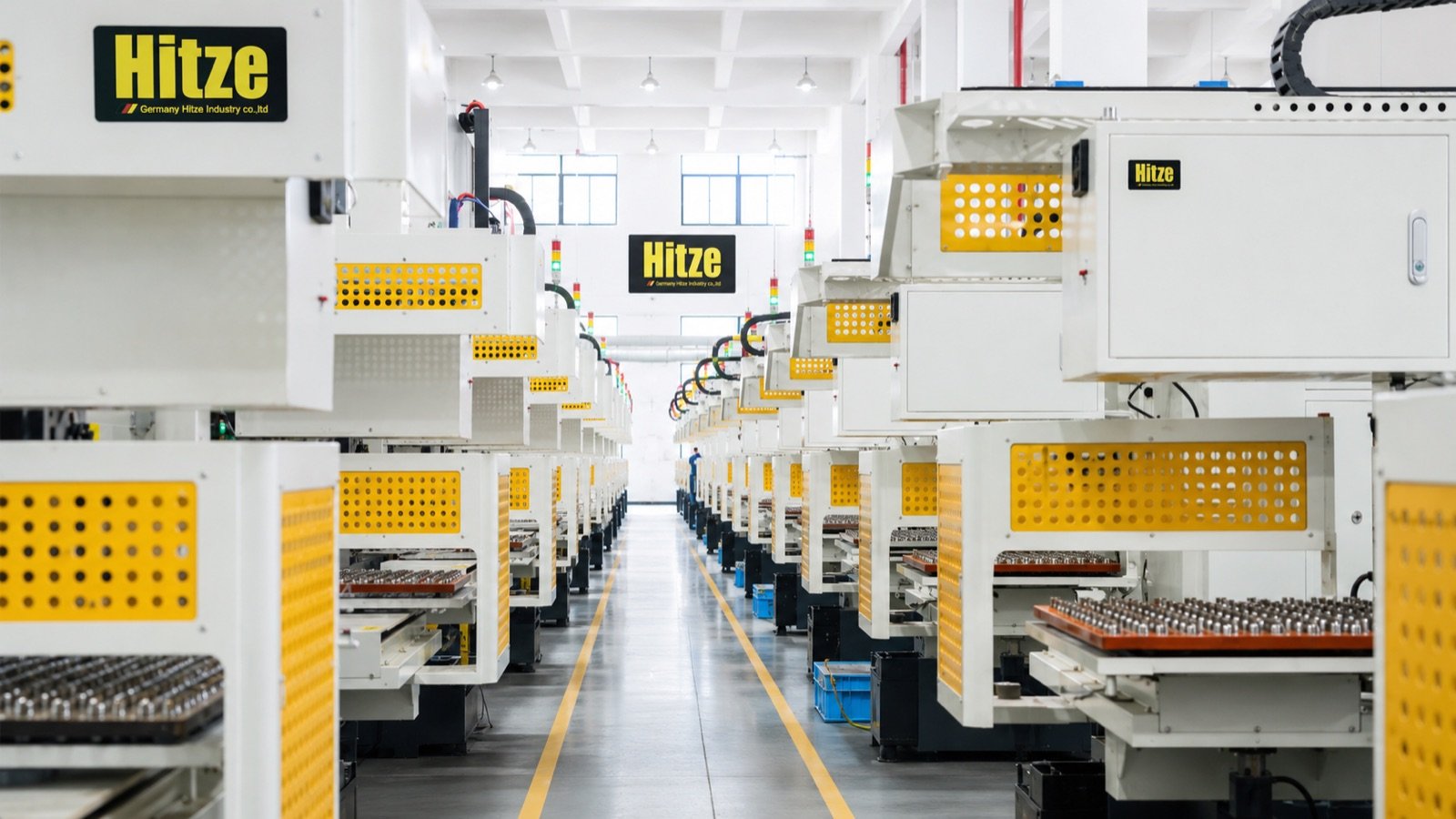
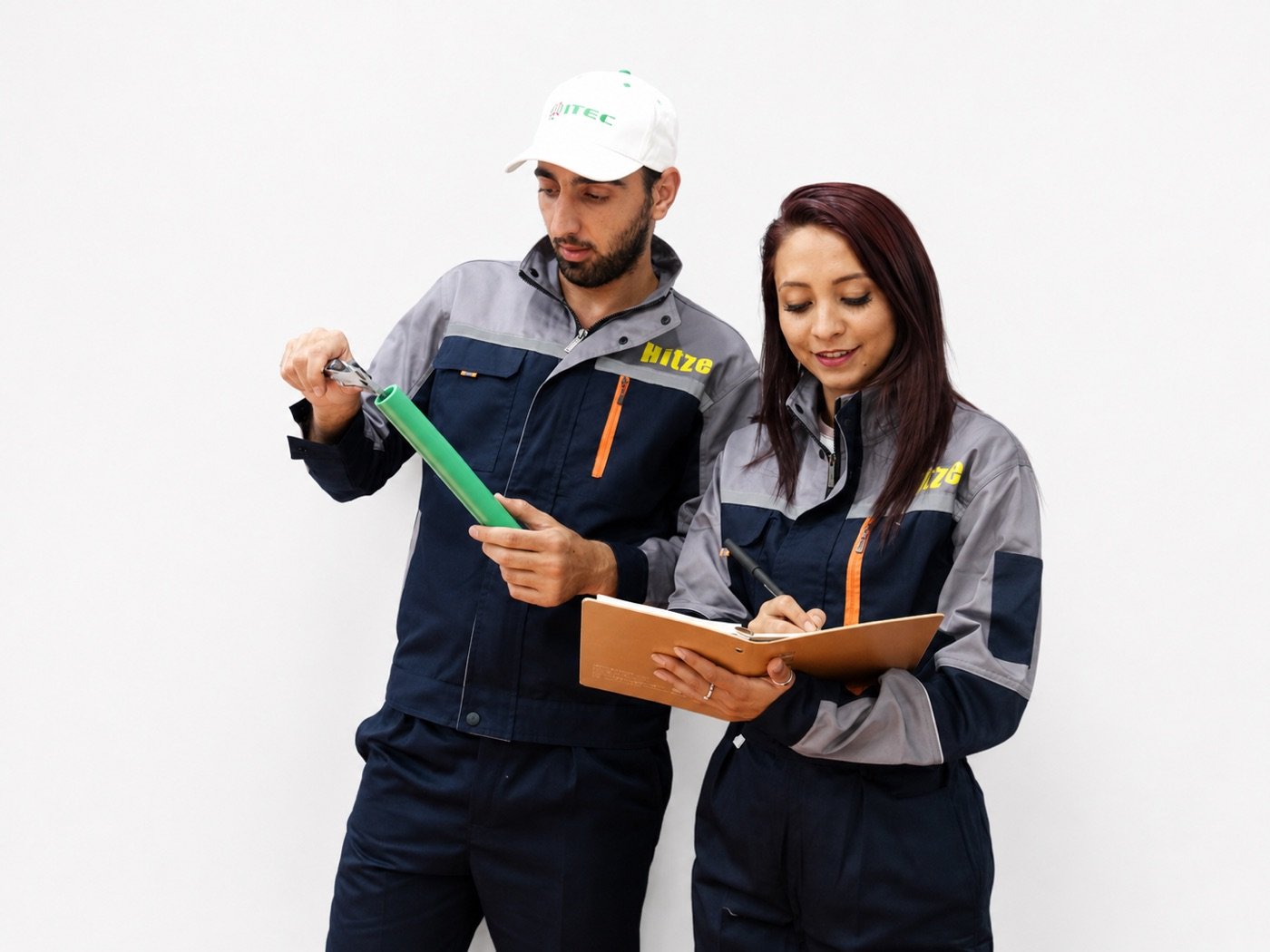
Our German Engineering Team
The German Team That Designs Every Hitze Product
Hitze’s identity doesn’t come from a sticker — it comes from people, a 50-year history, and a registered German brand.
Founded in 1974, Hitze is registered at the German Patent and Trademark Office in Munich (trademark No. 30 2020 005 484), and our R&D and product design are done in-house by a German engineering team. Together these are what make Hitze genuinely German rather than German-sounding. Our engineers own the parts of a piping system that actually determine whether it performs for the next 50 years:
- Material formulation — PEX cross-linking method (PEX-a/b/c), PE-RT resin selection, multilayer PEX-AL-PEX layer structure and the oxygen-tight aluminium core.
- Dimensional engineering — wall thicknesses, tolerances and pressure classes specified to DIN 8077/8078 and EN ISO standards, not copied from a generic catalog.
- Oxygen-barrier design — EVOH barrier engineered to DIN 4726, so your heating loops stay corrosion-free and warranty-safe.
- System compatibility — pipes, press fittings, compression fittings and manifolds designed as one coherent system, so the ring you crimp today mates with the manifold you spec tomorrow.
This is why “Designed by our German engineering team” is a statement we can defend line by line — the design decisions are German, documented, and standards-driven.
The German Standards System
Built to the German Standards System — By Design, Not By Accident
“German-engineered” only means something if it maps to real standards. Every Hitze product is engineered against the same standards system German plumbing has been built on for decades — the framework your buyers, inspectors and MEP consultants already trust.
| Standard | What it governs | Why it protects you |
|---|---|---|
| SKZ certificate (German testing institute, not a standard) | Independent testing & certification by the Süddeutsches Kunststoff-Zentrum against DIN 8077/8078 and EN ISO 15874 | A German plastics institute has tested the actual pipe — hard, printed-on-catalog proof of German-standard quality |
| DIN 8077 / DIN 8078 | PP-R pipe dimensions & mechanical / thermal properties | Wall thickness and pressure class are correct for the application |
| DIN 4726 | EVOH oxygen barrier for heating pipes | No oxygen diffusion → no corrosion in the heating circuit |
| EN ISO 21003 | Multilayer piping systems (PEX-AL-PEX) | 5-layer structure & aluminium core performance verified |
| EN ISO 15874 | Polypropylene (PP) piping systems | PPR heat-fusion joints perform to a common European baseline |
| EN ISO 15875 | Crosslinked polyethylene (PEX) piping | PEX pressure / temperature ratings are standard, not marketing |
| DVGW (certification body, not a standard) | German technical approval for gas & water products, granted against German DIN standards | The hardest, most independent proof the product meets Germany’s strict technical requirements |
Because our engineers design to these standards from the first drawing, compliance isn’t something we bolt on at the end — it’s baked into the geometry and the material. For a german pex pipe or german underfloor heating loop, that’s the difference between a product that passes on paper and one that performs on site.
Radical Transparency
What “German-Engineered” Means for You — and What It Doesn’t
We’d rather be the supplier that tells you the truth up front than the one you catch out later. So here it is, plainly.
What We Are
A registered German brand — founded in 1974 and registered at the German Patent and Trademark Office in Munich under trademark No. 30 2020 005 484, with a German engineering and R&D team.
Engineered in Germany — the specifications, tolerances and material design are developed by our team in Germany.
Built to German DIN standards, SKZ-tested (by the German Süddeutsches Kunststoff-Zentrum) and DVGW-certified by independent third parties.
What We Are Not
We do not claim “Made in Germany.” Our products are manufactured in audited partner facilities, and we say so openly. Anyone who claims German factory production for products like these should be questioned.
A factory address on its own certifies nothing. What decides a product’s performance is how it was engineered and whether an independent authority verified it — which is exactly where our proof lives.
Here’s why this actually works in your favor. A product’s performance is decided by two things: how it was engineered, and whether an independent authority verified it. Origin is a third, weaker signal. The buyer who insists on “German engineering + DVGW certification” is far better protected than the buyer chasing a label that no independent body ever checked. That’s the trade we make with you: radical transparency instead of a vague origin story — German engineering you can attribute to a real team, and certification you can look up yourself.
Our Position, in Writing
Engineered in Germany. Manufactured to German Standards in Our Audited Facilities.
“Engineered in Germany, manufactured to German standards in our audited facilities.”
This one sentence is our whole position, and we put it in writing everywhere. It says three true things at once:
The Engineering Is German
Designed by our German engineering team, in Germany — specifications, tolerances and material design.
The Standard Is German
Every product is built to German DIN standards, SKZ-tested and DVGW-certified, wherever it is produced.
The Facility Is Audited
Production runs under audit and certification control — what makes the standard enforceable on the line, not just on the drawing.
German-seeking buyers tell us the same thing repeatedly: they trust this more than a bare origin claim, because it’s specific, defensible, and it invites verification instead of dodging it.
Get the Engineering & Cert Statement
Want this in a spec-ready format for your own tender docs? The Cert Pack includes our engineering & certification statement. Certificate numbers included on request.
The Two Hardest German-Brand Proofs
Registered in Munich. Tested by a German Institute. Two Proofs You Can Look Up Yourself.
Anyone can print “German” on a box. Two things on this page are different — because they were issued by independent German authorities and you can verify them yourself, without taking our word for anything.
A Registered German Brand — Trademark No. 30 2020 005 484
Hitze is registered at the Deutsches Patent- und Markenamt (DPMA — the German Patent and Trademark Office) in Munich under trademark No. 30 2020 005 484. This is the single hardest, most independent proof that Hitze is a genuine German brand: a German government office examined and registered the mark. It is a lookup-able public record — not a self-issued claim.
Verifiable in the DPMA registerSKZ-Tested — a German Institute Certified the Actual Pipe
Hitze pipe carries an SKZ certificate from the Süddeutsches Kunststoff-Zentrum, a German plastics testing and certification institute, verified against DIN 8077/8078 and EN ISO 15874. The SKZ mark is printed in our product catalog because a German institute tested the real material and dimensions — not a generic baseline, but the German standard, checked by a German body.
SKZ certificate number on request / in the Cert PackBetween them, these two answer the buyer’s core question — “is this really German?” — with a government registration and a German-institute test certificate. That is a foundation no origin sticker can match. Both are documents you can pull up and check for yourself, which is exactly why we lead with them.
DVGW · The German Authority
DVGW: One of the Hardest Third-Party Proofs That Hitze Meets German Technical Requirements
Alongside our German trademark registration and SKZ certificate, DVGW is another verification worth making. DVGW (Deutscher Verein des Gas- und Wasserfaches — the German Technical and Scientific Association for Gas and Water) is the German certification body for water and gas products. Its certification is deliberately one of the strictest in the world, and — critically — it is granted against German DIN standards.
That’s what makes a DVGW certified pipe so powerful as independent proof of German-standard quality:
It’s Independent
DVGW isn’t us. A third-party German body tested and listed the product.
It’s German-Standard-Based
You can’t earn DVGW without meeting German DIN requirements — so a DVGW listing proves the product meets Germany’s strict technical requirements, not a generic baseline.
It’s Verifiable
DVGW listings can be looked up. A claim you can check beats a claim you have to trust.
It’s Hard to Get
DVGW covers material, dimensions, long-term pressure behavior and hygiene — it is not a pay-to-print mark.
For a buyer who specifically wants a german plumbing brand, DVGW does more work than any slogan: it converts “our product meets German technical requirements” from a marketing statement into an audited, lookup-able fact. (The German-brand identity itself rests on our German engineering team — DVGW is the third-party proof that the product they design measures up.)
Explore the System
See German Engineering Across the Full System
The German engineering on this page isn’t abstract — it’s in every line we make. Explore where it lands.
About Hitze
The German brand story, our team, and how the German-brand + ODM model works.
Certifications
The full certification library: German trademark No. 30 2020 005 484, SKZ, DIN 8077/78, EN ISO 15874, plus DVGW, cUPC/UPC, NSF-14, NSF/ANSI 61, WRAS, CE + DoP.
Uponor® Alternative
A factual, spec-by-spec comparison for buyers weighing a German-engineered alternative.
All Products
The complete 8-line portfolio: PEX, PE-RT underfloor heating, multilayer PEX-AL-PEX, PPR, press & compression fittings, manifolds and more.
Certified for North America & Europe
The Full German-Standard & Market-Access Stack
The trademark and SKZ / DIN / EN ISO base is evidenced today; DVGW, cUPC/UPC, NSF-14, NSF/ANSI 61, WRAS and CE + DoP are held per family, with certificate and listing numbers available on request and verifiable at source in the official registers.
FAQ
German Engineering FAQ
Is Hitze really a German brand?
Is Hitze pipe made in Germany?
What does “German-engineered” actually mean for my project?
Why does DVGW certification matter so much?
Get Started
Buy the Engineering. Verify Everything.
A German brand registered in Munich since 1974 (trademark No. 30 2020 005 484), an SKZ certificate from a German testing institute, a German engineering team, and a DVGW listing you can confirm independently. Tell us your product line, market (NA or EU) and the standards your project requires — you’ll speak with the German engineering team behind the products. Sample-friendly, private-label ready.
Uponor® is a trademark of its respective owner. Hitze is an independent manufacturer and is not affiliated with, authorized by, or endorsed by Uponor®.